How Big Are Motogp Riders?
Ever wondered about the physical attributes of MotoGP riders and how it affects their performance on the track?
These elite athletes undergo rigorous training to meet the demands of their sport, from height and weight to body composition and muscle mass.
In this article, we’ll explore the average height and weight of MotoGP riders, how they train and prepare physically, the physical demands of riding a MotoGP bike, and how they maintain their weight and fitness during the season.
Let’s dive in and uncover the physical demands of being a MotoGP rider.
Key Takeaways:
What is the Average Height and Weight of a MotoGP Rider?
The average height and weight of a MotoGP rider play a crucial role in their performance on the track, influencing their speed, agility, and overall stability.
Height and weight directly impact a rider’s ability to handle the high-speed demands of MotoGP racing. A taller and heavier rider may struggle with quick transitions and tight corners due to higher center of gravity and increased mass to maneuver. On the other hand, a more compact and lighter rider can achieve faster acceleration and sharper turns.
Manufacturers meticulously consider these factors when designing bikes, adjusting dimensions, weight distribution, and power delivery to optimize performance based on the rider’s physique. The fine balance between rider dynamics and bike characteristics is essential for achieving the precision and speed required in MotoGP competitions.
How Does Height and Weight Affect Performance in MotoGP?
The performance of MotoGP riders is significantly influenced by their height and weight, affecting their speed, cornering abilities, and overall stability on the track.
Lighter riders tend to have a distinct advantage in terms of acceleration due to their lower weight, allowing them to swiftly reach high speeds after corners and on straights.
On the other hand, heavier riders may excel in braking and maintaining stability during high-speed sections of the track, leveraging their weight for better control.
The proportions of a rider’s body also play a crucial role in MotoGP, affecting aerodynamics and the ability to handle the bike in varied race conditions.
What is the Body Composition of a MotoGP Rider?
The body composition of a MotoGP rider is meticulously crafted to optimize their performance, consisting of low body fat percentage and high muscle mass for endurance and strength.
Low body fat is crucial as it helps in improving the power-to-weight ratio, allowing riders to accelerate faster and handle the powerful machines with agility.
Simultaneously, high muscle mass plays a vital role in ensuring physical endurance, helping riders maintain stability and control during long races, resisting fatigue, and sustaining their performance levels consistently.
To maintain this optimal body composition, MotoGP riders undergo rigorous training regimes specifically designed to enhance strength, agility, and endurance, complemented by meticulously curated nutrition plans that provide the necessary fuel for their demanding physical exertions throughout the racing season.
What is the Ideal Body Fat Percentage for a MotoGP Rider?
The ideal body fat percentage for a MotoGP rider typically falls within a narrow range, optimizing their power output, agility, and overall performance on the track.
Having a controlled body fat percentage is crucial for MotoGP riders as it directly impacts their aerodynamic profile, helping them slice through the air with minimal resistance. Lower body fat levels not only enhance aerodynamics but also reduce the overall weight of the rider-bike combination. This reduction in weight can lead to improved acceleration and maneuverability on the track.
To maintain this optimal body fat percentage, riders follow strict dietary habits and tailored training routines. Their diet focuses on high-quality proteins, complex carbohydrates, and healthy fats to fuel their intense racing demands while keeping body fat levels in check.
What is the Muscle Mass of a MotoGP Rider?
The muscle mass of a MotoGP rider is a vital component of their physical conditioning, providing the strength, durability, and resilience required to handle the demands of high-speed racing.
When maneuvering a powerful machine at top speeds, MotoGP riders need more than just skillful handling; they rely heavily on their muscles to maintain control and balance. Muscular strength and endurance are crucial for withstanding the G-forces of rapid acceleration and abrupt braking experienced on the track. Whether navigating sharp corners or maintaining steady control on straightaways, a rider’s muscles play a key role in stabilizing the body and absorbing the physical stresses of riding.
How Do MotoGP Riders Train and Prepare Physically?
MotoGP riders undergo rigorous physical training regimens to enhance their endurance, strength, and agility, focusing on exercises tailored to the specific demands of motorcycle racing.
These comprehensive training programs are meticulously crafted to address the diverse physical requirements of MotoGP riders. The mix of workouts includes intensive cardiovascular exercises to boost stamina, strength training protocols to build muscle power, and flexibility routines aimed at enhancing core stability and joint mobility. By dedicating significant time to these focused trainings, riders can fine-tune their reflexes and coordination, crucial skills for navigating the high-speed challenges on the racetrack with precision.
What Types of Exercises Do They Do?
MotoGP riders engage in a variety of exercises, including strength training, cardio workouts, and balance exercises, to enhance their physical fitness and racing performance.
Strength training forms a crucial part of their routine, focusing on exercises like squats, deadlifts, and bench presses to build power and endurance in key muscle groups such as the legs and core. Additionally, cardio workouts like cycling and running help improve overall cardiovascular fitness, essential for enduring the demands of high-speed racing.
Balance exercises are also prioritized, with activities like proprioceptive training on stability balls and balance boards, enhancing riders’ ability to control the bike and react quickly to changes in position. These routines target specific muscle groups and skills required for the precise handling and agility needed in competitive MotoGP racing.
How Do They Build Endurance and Strength?
Building endurance and strength is a key focus of MotoGP rider training, involving a combination of high-intensity workouts, resistance training, and specialized drills to maximize physical performance on race day.
One of the primary techniques utilized by MotoGP riders to enhance endurance and strength is interval training. This method involves alternating between periods of high-intensity exertion and rest, mimicking the intense physical demands of a race. Interval training helps riders improve cardiovascular fitness, increase muscle endurance, and boost overall performance.
Along with interval training, weightlifting plays a crucial role in building the necessary strength for MotoGP racing. Riders focus on compound exercises such as squats, deadlifts, and bench presses to target multiple muscle groups simultaneously, enhancing overall power and stability on the bike.
Circuit exercises, which combine strength training with cardiovascular conditioning, are also popular among MotoGP riders. These dynamic workouts involve moving through a series of stations, performing different exercises to challenge endurance, agility, and coordination.
What Are the Physical Demands of Riding a MotoGP Bike?
Riding a MotoGP bike imposes immense physical demands on riders, requiring exceptional levels of strength, agility, and mental focus to navigate the high-speed challenges of the track.
These professionals experience extreme G-forces as they lean their bodies into sharp turns, feeling forces multiple times the pull of gravity. The rapid accelerations and decelerations further intensify the strain on their bodies, demanding split-second reactions to maintain control.
To cope with these challenges, MotoGP riders undergo rigorous physical training, focusing on core strength, flexibility, and cardiovascular endurance. Precise body positioning is crucial to maximize aerodynamics and cornering efficiency, leading to strategic enhancements in their training regimens to optimize physical readiness for the demanding race day.
How Many Calories Do They Burn During a Race?
MotoGP riders burn a significant number of calories during a race, with estimates suggesting that they can expend several thousand calories due to the intense physical exertion and mental focus required on the track.
During a Grand Prix, a racer’s body is constantly in motion, enduring high G-forces, sharp accelerations, and decelerations, all of which demand incredible strength and stamina. The heat inside those leather suits can skyrocket, especially under scorching conditions, adding to the already strenuous physical demands. To meet these grueling caloric needs, riders follow stringent dietary plans, carefully balancing carbohydrates, proteins, and fats to refuel and repair their bodies post-race. Ensuring optimal nutrition is crucial in sustaining energy levels and aiding in quick recovery for the next race in the demanding MotoGP calendar.
What Are the Most Common Injuries for MotoGP Riders?
MotoGP riders are prone to specific types of injuries due to the high-speed nature of the sport, with common injuries including fractures, ligament sprains, and abrasions resulting from crashes and intense physical strain.
Crashes, a frequent occurrence in MotoGP races, can lead to severe injuries such as concussions, spinal fractures, and internal organ damage. The repetitive stress placed on the body during acceleration, braking, and cornering can result in overuse injuries like tendonitis and stress fractures.
To combat these risks, riders undergo rigorous physical training to strengthen muscles and improve flexibility. Advanced safety gear such as helmets with impact-absorbing technology and reinforced riding suits are employed to minimize the impact of crashes.
After sustaining an injury, riders follow structured rehabilitation programs that focus on enhancing mobility, restoring strength, and preventing re-injury. Sports therapists and medical professionals play a crucial role in monitoring the recovery process and ensuring a safe return to racing.
How Do MotoGP Riders Maintain Their Weight and Fitness During the Season?
MotoGP riders employ meticulous strategies to maintain their weight and physical fitness throughout the demanding racing season, combining tailored nutrition plans with rigorous training routines to sustain peak performance.
One key aspect of their approach is the incorporation of personalized diets that cater to the unique demands of their bodies and the strenuous nature of motorcycle racing. These diets are carefully crafted to provide the necessary energy levels, macronutrients, and micronutrients required to fuel their intense physical exertion on the track.
Along with nutrition, hydration plays a vital role in their performance, with riders focusing on optimal hydration strategies to ensure they remain well-hydrated throughout the races. Dehydration can lead to a significant decrease in cognitive and physical performance, making it essential for riders to maintain appropriate fluid levels.
After the high-intensity races, riders adhere to strict recovery protocols to facilitate muscle repair and reduce fatigue. These protocols often include activities such as ice baths, foam rolling, massage therapy, and sufficient rest to help them recuperate effectively for the next race weekend.
What is Their Diet and Nutrition Plan?
MotoGP riders adhere to strict diet and nutrition plans tailored to meet their energy requirements, focusing on nutrient-rich foods, hydration, and timing of meals to optimize performance and recovery.
An essential aspect of these plans is the macronutrient balance, where they carefully monitor their intake of proteins, carbohydrates, and fats to fuel their bodies adequately. Adequate protein intake is crucial for muscle repair and growth, while carbohydrates provide the necessary energy for the high demands of racing. Fats play a role in long-term energy reserves.
Riders pay close attention to their micronutrient intake, ensuring they get a variety of vitamins and minerals to support overall health and performance. During race weekends, when the schedule is intense and physical exertion is at its peak, meal timing becomes critical. They focus on consuming easily digestible, high-energy meals to sustain their energy levels.
How Do They Recover and Rest Between Races?
The recovery and rest routines of MotoGP riders are crucial for optimizing performance and minimizing physical strain between races, involving a blend of active recovery, passive rest, and mental rejuvenation strategies.
MotoGP riders prioritize sleep as a cornerstone of their recovery regimen, aiming for quality restorative rest to aid muscle repair and mental sharpness. Hydration plays a vital role in replenishing lost fluids and regulating body temperature post-race. Additionally, massage therapy aids in reducing muscle soreness and enhancing flexibility, facilitating quicker recovery.
- The mental aspect of recovery is equally emphasized, with strategies such as mindfulness, visualization, and breathing techniques deployed to foster relaxation and focus.
- Periodization in training schedules allows riders to balance high-intensity training with adequate recovery periods, preventing burnout and enhancing overall performance consistency throughout the demanding racing season.
Conclusion: The Physical Demands of Being a MotoGP Rider
The physical demands placed on MotoGP riders underscore the tremendous athleticism, discipline, and commitment required to excel in the world’s premier motorcycle racing championship.
These athletes undergo rigorous training regimes that encompass a variety of physical exercises to enhance strength, agility, and endurance. They focus on honing their reflexes, core stability, and cardiovascular fitness through activities like weight training, cardio sessions, and specialized motorcycling drills.
Moreover, strict dietary guidelines play a pivotal role in their routine, ensuring they fuel their bodies with the right nutrients to support peak performance. Balancing macronutrients, hydrating adequately, and consuming energy-rich foods are all crucial aspects of their nutrition plan.
Equally important is the emphasis on adequate rest and recovery strategies to prevent injuries and maintain optimal physical condition. MotoGP riders prioritize sleep, engage in regular massages, and utilize advanced recovery techniques such as cryotherapy and physiotherapy to keep their bodies in top shape.
Frequently Asked Questions
How Big Are Motogp Riders?
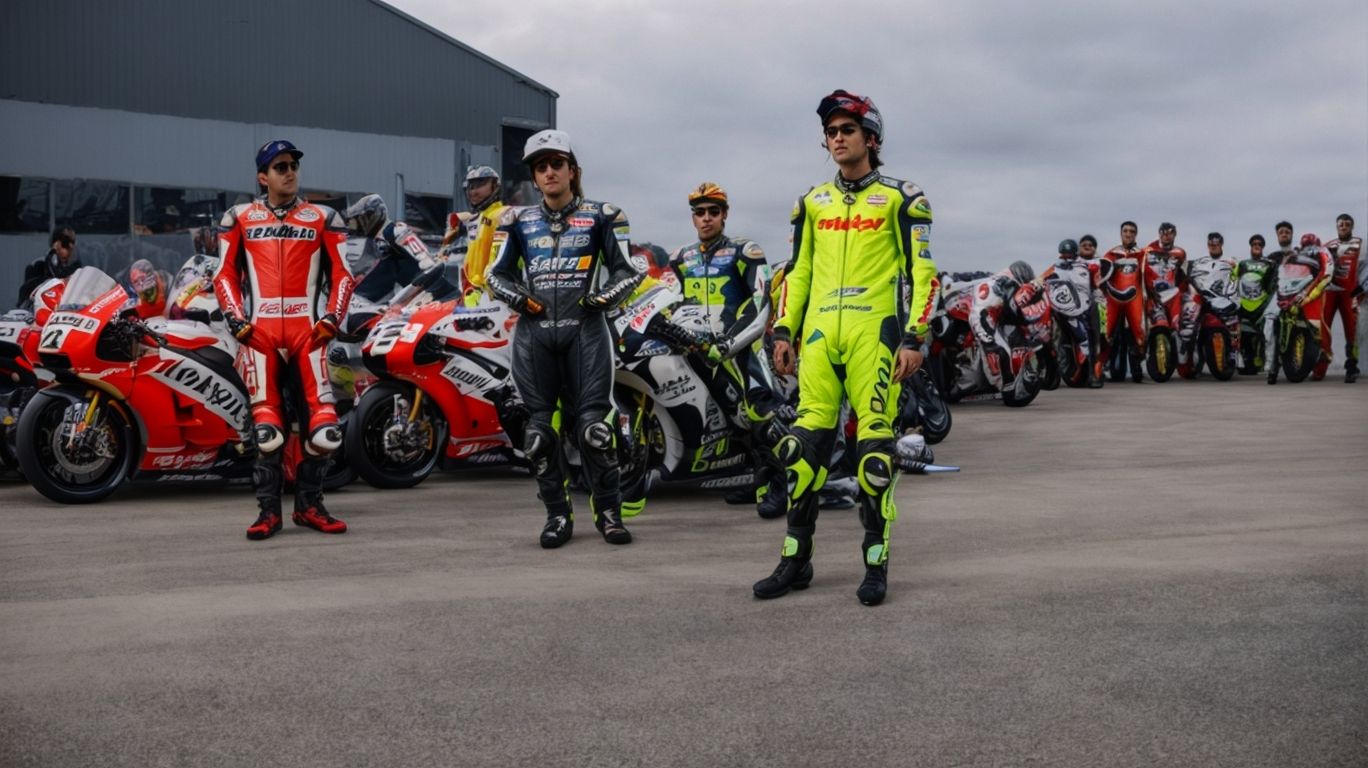
Motogp riders come in all shapes and sizes, but generally they are smaller and leaner than the average person.
What is the average height of a Motogp rider?
The average height of a Motogp rider is around 5 feet 10 inches, or 178 centimeters.
Do Motogp riders have weight restrictions?
Yes, there is a weight limit for all riders in Motogp. The minimum weight for a rider and their bike combined is 157 kilograms.
How much does a Motogp rider weigh?
The weight of a Motogp rider can vary depending on their body type and muscle mass. On average, they weigh between 60-70 kilograms.
Are there any height or weight requirements to become a Motogp rider?
There are no specific height or weight requirements to become a Motogp rider, but being smaller and lighter can be an advantage on the track.
Do female Motogp riders have different size requirements?
No, there are no gender-specific size requirements for Motogp riders. Both male and female riders must meet the same weight limit and regulations.