Do Motogp Riders Countersteer?
Ever wondered how motorcycle riders navigate sharp turns at high speeds with precision?
In the world of Motogp racing, countersteering plays a crucial role in achieving impressive maneuvers. Motogp riders use techniques like leaning the bike and adjusting body positioning to master turning.
Do all riders use the same methods? What are the benefits and risks of countersteering in Motogp? Let’s delve into the world of motorcycle racing and explore the secrets behind these thrilling moves.
Key Takeaways:
What is Countersteering?
Countersteering is a technique used by motorcyclists to initiate a turn by briefly steering in the opposite direction of the intended turn before leaning the bike towards the corner. This mechanism relies on the physics of motorcycle dynamics and rider input.
When a rider initiates a turn, they push the handlebar in the direction opposite to where they want to go, causing a subtle shift in the bike’s balance and changing its trajectory. This action may seem counterintuitive at first but is crucial for effectively navigating sharp turns and corners. By understanding the principles of countersteering, riders can efficiently control their bikes even at high speeds or in challenging road conditions.
How Do Motorcycles Turn?
Motorcycles turn by leaning into corners while maintaining speed to counteract the centrifugal force pulling them outward. This lean is controlled by the rider’s manipulation of the handlebars and body position, utilizing centripetal force to navigate the curve.
As the motorcycle enters a turn, the rider shifts their body weight towards the inside of the curve, which helps to balance the bike and maintain control. The handlebars play a crucial role in steering the motorcycle through the turn, with delicate adjustments made to control the lean angle and trajectory. By finding the right balance between speed, lean angle, and centripetal force, riders can execute smooth and efficient cornering maneuvers, enhancing both safety and performance on the road or track.
What is the Role of Countersteering in Motorcycle Racing?
Countersteering plays a crucial role in motorcycle racing, particularly in high-speed circuits like MotoGP, where riders rely on this technique to enhance stability and maneuverability during races. It allows MotoGP riders to make precise turns at exceptional speeds, optimizing their performance on the track.
Top riders such as Marc Marquez and Andrea Dovizioso are known for their mastery of countersteering, using this technique to swiftly navigate through challenging corners and maintain control over their bikes. By applying pressure on the handlebars in the opposite direction of the desired turn, riders can initiate the countersteering effect, leaning the bike into the corner and achieving a smoother trajectory through the corner.
Does Countersteering Apply to Motogp Riders?
The application of countersteering is fundamental to MotoGP riders as they tackle high-speed tracks such as Circuit of the Americas or Sepang. It allows them to optimize their performance by achieving precise cornering and maintaining stability throughout the race.
MotoGP riders like Marc Marquez and Andrea Dovizioso utilize countersteering techniques to navigate the twists and turns of the challenging tracks they face. By applying subtle pressure to the handlebars, they initiate the countersteer, which leans the motorcycle towards the corner before the turn begins.
This technique not only helps them in entering corners swiftly but also assists in controlling their speed effectively. Marquez’s ability to seamlessly execute countersteering has been a defining factor in numerous races, where he strategically adjusts his bike’s positioning to gain an edge over his competitors.
What Techniques Do Motogp Riders Use to Turn?
Motogp riders employ a combination of advanced techniques to execute precise turns on the race track, including leaning the bike, shifting their weight, controlling momentum, and managing friction with the road surface.
These skilled riders leverage their deep understanding of physics and engineering principles to manipulate centripetal force during turns. By effectively leaning into corners, they minimize the bike’s turning radius, allowing them to maintain higher speeds while navigating complex bends. Judicious weight distribution, such as shifting their body weight towards the inside of the turn, aids in optimizing balance and stability, crucial for cornering at the limits of traction.
The ability to modulate momentum through precise throttle and brake control is paramount in maintaining a smooth and efficient racing line. By managing friction with the track surface through calculated adjustments in pressure and angle, riders can find the delicate balance between grip and slip, ensuring a fast yet stable trajectory through corners.
Leaning the Bike
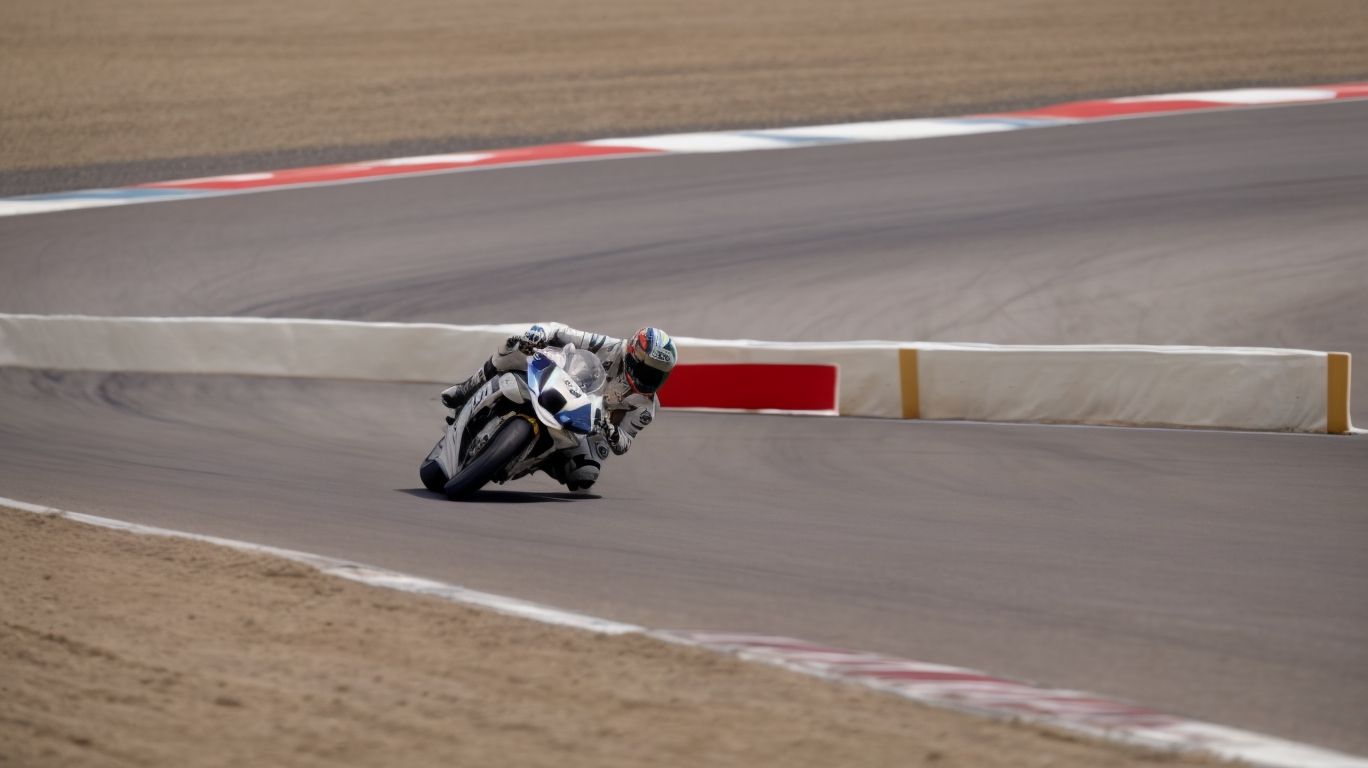
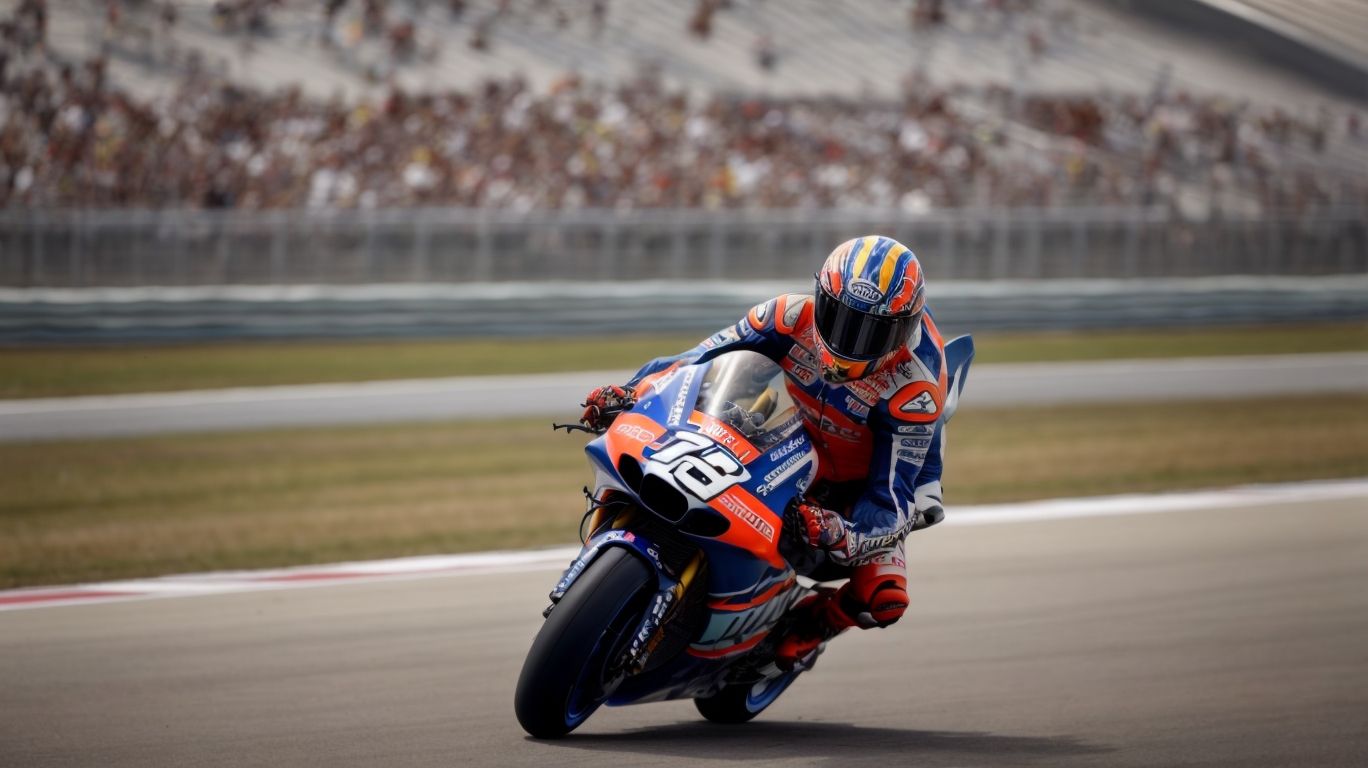
Leaning the bike is a critical skill for Motogp riders as they navigate corners at high speeds. By leaning the motorcycle at precise angles, riders can optimize the contact patch of the tires with the road, effectively utilizing centripetal force to maintain balance and cornering speed.
It’s fascinating how the lean angle plays a crucial role in the delicate dance of motorcycle racing. The relationship between lean angle, tire traction, and centripetal force is intricate and significant. As riders lean their bikes into turns, they are essentially increasing the contact area of the tires with the road surface, which enhances grip and stability.
Riders must swiftly adapt their lean angles based on the curvature of each corner and the overall track conditions. This dynamic adjustment allows them to maximize their performance by finding the perfect balance between speed and control.
Shifting Weight
Shifting weight plays a vital role in the turning dynamics of Motogp riders, allowing them to redistribute their mass to control the bike’s balance, pivot around corners, and manage gravitational forces. This technique influences the bike’s momentum and stability through complex maneuvers.
By leaning into the turn, riders shift their center of gravity towards the inside of the curve, effectively decreasing the bike’s lean angle and optimizing traction. This subtle yet crucial adjustment helps in maintaining a smooth trajectory by counteracting the centrifugal force pulling the bike outward.
Riders also shift their body weight forward or backward to adjust the bike’s pivot point, influencing how quickly the motorcycle responds to steering inputs and transitions from one turn to another.
Body Positioning
Body positioning is a key aspect of Motogp racing technique, with riders utilizing knee-guards and precise postures to maintain stability, optimize the center of gravity, and enhance aerodynamic efficiency. By adopting specific body positions, riders can achieve better control and reduce drag during high-speed maneuvers.
One crucial element of body positioning in MotoGP racing is the strategic use of knee-guards. These protective gears not only shield the riders’ knees but also play a vital role in allowing them to grip the bike securely. Riders make minute adjustments to their center of gravity through leaning and positioning their bodies to achieve optimal balance and control. By fine-tuning their posture, riders can minimize wind resistance, enabling them to slice through the air with minimum turbulence, thus enhancing their speed and cornering abilities.
Braking and Throttle Control
Braking and throttle control are critical aspects of Motogp racing, allowing riders to modulate speed, manage friction, optimize grip levels, and adjust the contact patch with the road surface. Precision in braking and throttle input is essential for achieving swift and controlled turns on the track.
In terms of braking, riders need to apply just the right amount of pressure to slow down without losing control. By carefully balancing the brake force, they can maintain stability while approaching a turn, setting them up for a smooth transition. On the other hand, managing the throttle is equally crucial. Gradually increasing throttle input helps them exit the turn with maximum acceleration, utilizing the available grip efficiently.
Controlling friction through braking not only aids in speed management but also influences the bike’s stability. Riders need to avoid locking up the wheels, as it can lead to loss of traction and potentially catastrophic crashes. By feathering the brakes, they can scrub off speed while keeping the tires in optimal contact with the track, ensuring better traction for cornering.
Do All Motogp Riders Use the Same Techniques?
While Motogp riders share fundamental techniques for turning, each racer may exhibit unique riding styles and preferences based on their experience, physical attributes, and racing strategies. Riders adapt their techniques to varied tracks and changing conditions to maximize their performance.
Some riders, like Valentino Rossi, known for his smooth and fluid riding style, prioritize corner speed and late braking techniques. On the other hand, riders such as Marc Marquez excel in aggressive and daring maneuvers, leaning the bike to extreme angles.
Joan Mir might focus more on maintaining a stable and consistent pace throughout the race, utilizing precise entry and exit points to conserve energy and tire life.
Riders with taller stature, like Dani Pedrosa, might use their physical attributes to aid in quick changes in direction, while lighter riders, such as Fabio Quartararo, benefit from nimble handling and acceleration.
Differences in Riding Styles
The world of MotoGP is characterized by a diverse range of riding styles, with each rider showcasing unique techniques and preferences in handling turns and cornering. From aggressive lean angles to smooth transitions, the individual riding style of a racer can significantly impact their performance on the track.
Some riders, like Valentino Rossi, are known for their fluid and calculated approach, focusing on maintaining momentum through corners and precise entry and exit points. On the other hand, riders such as Marc Marquez often opt for a more aggressive style, pushing the limits of their bikes with extreme lean angles and late braking. These contrasting styles not only showcase the diverse skill sets of the riders but also demonstrate how different techniques can affect race outcomes. While smoother riders may excel in consistency and tire management, aggressive riders might gain an edge in overtaking and positioning on the track.
Adjustments for Different Tracks and Conditions
Motogp riders must adapt their turning techniques and strategies based on the specific characteristics of each track and prevailing conditions such as weather, temperature, and track surface. These adjustments are crucial for maintaining optimal performance and competitiveness across diverse racing environments.
Track-specific adjustments play a pivotal role in determining the success of a rider during a race. For instance, on tracks with tighter corners, riders may focus on late apexes to maximize acceleration out of bends. Conversely, on tracks with long straights, riders might prioritize maintaining high speeds through the corners to gain an edge.
The impact of these technique alterations goes beyond individual laps; they can directly influence the overall race outcome. Developing a keen awareness of when to push for speed and when to conserve energy is essential for strategic race management.
What are the Benefits of Countersteering in Motogp Racing?
The utilization of countersteering in Motogp racing confers several advantages to riders, including the ability to execute faster and more controlled turns, navigate tight corners with precision, and maintain speed and momentum throughout the race. This technique enhances the overall performance and competitiveness of Motogp racers.
By incorporating countersteering, riders can dynamically shift the weight of the motorcycle, allowing for sharper and more efficient maneuvering around bends and curves. This strategic method not only optimizes the trajectory during turns but also plays a pivotal role in reducing the risk of instability and potential crashes. The application of countersteering facilitates riders in making split-second decisions in response to changing track conditions, giving them a significant advantage in strategic race planning.
Faster and More Controlled Turns
The implementation of countersteering in Motogp racing results in faster and more controlled turns, enabling riders to navigate corners with precision and efficiency. By leveraging this technique, MotoGP racers achieve enhanced speed management, stability, and cornering capabilities on the track.
Countersteering plays a crucial role in enhancing the performance of MotoGP riders by allowing them to initiate turns more effectively. When approaching a corner, riders apply pressure to the handlebars in the opposite direction of where they want to go. This counterintuitive technique shifts the motorcycle’s weight, causing it to lean into the turn.
As a result, riders experience improved responsiveness and agility, enabling them to maintain higher speeds through corners while remaining in control. This precise control over the bike’s trajectory not only reduces lap times but also enhances overall race competitiveness.
Ability to Navigate Tight Corners
The skillful application of countersteering equips Motogp riders with the capability to navigate tight corners with precision and confidence, allowing them to maintain optimal racing lines and minimize time loss. This proficiency in cornering is instrumental in achieving competitive advantages during races.
By adeptly leaning the motorcycle towards the inside of a turn, riders initiate the countersteering technique, creating a momentary steering input in the opposite direction before executing the desired direction change. This deliberate maneuver shifts the bike’s center of gravity, enhancing the responsiveness of the motorcycle and enabling riders to negotiate sharp corners swiftly.
Maintaining Speed and Momentum
Countersteering in Motogp racing enables riders to maintain high speeds and momentum throughout the race, ensuring consistent acceleration and fluid transitions between corners. By optimizing speed and momentum control with this technique, Motogp racers can sustain competitive advantages on the track.
One of the key aspects of countersteering is its role in enhancing the efficiency of a motorcycle’s steering input. As riders lean into a turn, they apply pressure in the opposite direction on the handlebars, initiating the countersteering process. This action shifts the center of mass of the motorcycle, allowing it to smoothly navigate the corner.
The precise execution of countersteering is crucial in Motogp, where split-second decisions can make all the difference in lap times and race outcomes. Maintaining speed and momentum is not just a matter of raw power; it’s about using physics to maximize performance on every twist and turn of the track.
Are There Any Risks Associated with Countersteering in Motogp?
While countersteering offers numerous benefits in Motogp racing, it also poses certain risks to riders, such as the potential for oversteering and loss of control during high-speed maneuvers. The dynamic nature of countersteering increases the likelihood of injuries resulting from crashes or misjudgments.
Oversteering, a common issue faced by riders when executing aggressive countersteering, can lead to the rear wheel losing traction and sliding outwards, destabilizing the motorcycle. This loss of control can be particularly hazardous on tight corners or in adverse weather conditions, where precise handling is crucial. The increased vulnerability to injuries is a significant concern, as riders are exposed to high forces and impact in case of a fall.
To address these risks, MotoGP riders employ various strategies to mitigate the dangers associated with countersteering. One crucial technique is maintaining a balanced posture and weight distribution on the motorcycle while leaning into turns. By evenly distributing their weight, riders can stabilize the bike and reduce the chances of oversteering or sudden loss of control. Consistent practice and proficiency in countersteering maneuvers enable riders to anticipate and react swiftly to unexpected situations, enhancing their overall safety on the track.
Oversteering and Losing Control
One of the primary risks associated with countersteering in Motogp is the potential for oversteering, leading to the loss of control over the motorcycle. This phenomenon can occur when riders apply excessive steering input or misjudge cornering dynamics, resulting in destabilization and compromised race performance.
Oversteering poses a significant threat to a rider’s ability to navigate corners with precision and speed, impacting their overall performance on the track. In high-speed races like Motogp, where split-second decisions can make or break a race, any loss of control due to oversteering can result in a severe setback.
Rider errors, such as abrupt steering adjustments or overcorrections, often trigger oversteering incidents, while environmental factors like track conditions or sudden gusts of wind can exacerbate the problem. These challenges demand exceptional skill and composure from riders to quickly regain control and avoid crashing.
Injuries from Crashes
Countersteering in Motogp racing carries the inherent risk of injuries resulting from crashes, especially during high-speed maneuvers or aggressive turning sequences. The complex interplay of speed, force, and rider control increases the likelihood of accidents, underscoring the importance of safety protocols and protective gear in racing.
One of the most critical aspects of safety in Motogp is the emphasis on rider training and skill development. Riders undergo rigorous training to enhance their reflexes, decision-making abilities, and overall control of the bike. Racing organizations continuously evolve safety standards, including stringent bike inspections, track regulations, and safety briefings before each race. These measures aim to mitigate risks and enhance the overall safety of Motogp events, prioritizing the well-being of both riders and spectators.
Conclusion
Countersteering stands as a foundational technique in Motogp racing, offering riders a strategic advantage in achieving optimal performance, speed, and stability on the track. Despite the risks involved, the benefits of countersteering are undeniable, shaping the competitive landscape of motorcycle racing.
One key aspect of countersteering is its role in swiftly maneuvering the bike around corners, allowing riders to maintain control and navigate tight turns with precision. By initiating countersteering, riders can effectively lean the bike into corners while keeping a stable trajectory, maximizing speed without compromising safety.
Countersteering also plays a crucial role in adjusting the bike’s orientation during rapid changes in direction, enabling riders to respond quickly to dynamic race conditions. This skill is honed through practice and experience, contributing significantly to a rider’s overall performance and competitiveness on the track.
Frequently Asked Questions
Do MotoGP riders use countersteering?
Yes, countersteering is a vital technique used by MotoGP riders to initiate turns and maintain control at high speeds.
What is countersteering in MotoGP?
Countersteering is the act of pushing the handlebars in the opposite direction of the intended turn, causing the bike to lean and turn in the desired direction.
Why do MotoGP riders countersteer?
Countersteering allows MotoGP riders to quickly and accurately steer their bikes at high speeds, making it essential for navigating tight corners and fast turns on the track.
Is countersteering difficult to learn for MotoGP riders?
While it may seem counterintuitive, countersteering is a natural and instinctive technique for most MotoGP riders. However, it does require practice and skill to effectively use it on the track.
Can countersteering be dangerous for MotoGP riders?
Countersteering, when used correctly, is a safe and effective technique for MotoGP riders. However, if used incorrectly or in the wrong situation, it can lead to loss of control and potentially dangerous crashes.
Are there any other techniques MotoGP riders use besides countersteering?
Yes, MotoGP riders also use other techniques such as body positioning and throttle control to help control their bikes and navigate turns. However, countersteering is a fundamental skill that all MotoGP riders must master.