Are Motogp Bikes Faster Than Superbikes?
Have you ever wondered what sets MotoGP bikes apart from superbikes?
We will explore the key differences between these two high-performance motorcycles, from engine size and power to weight and aerodynamics.
Delve into the factors that determine which one is faster, such as top speed, lap times, and acceleration.
Discuss the risks and dangers of racing at high speeds and how MotoGP and superbike racing compare to other motorsports like Formula One and the Isle of Man TT.
Buckle up and get ready for a thrilling ride through the world of motorcycle racing!
Key Takeaways:
What Is MotoGP?
MotoGP, officially known as the FIM Road Racing World Championship Grand Prix, is the premier class of motorcycle racing.
With its roots tracing back to the FIM’s early days in the 1940s, MotoGP stands tall as the ultimate test of skill, strategy, and speed in the world of two-wheeled motorsports.
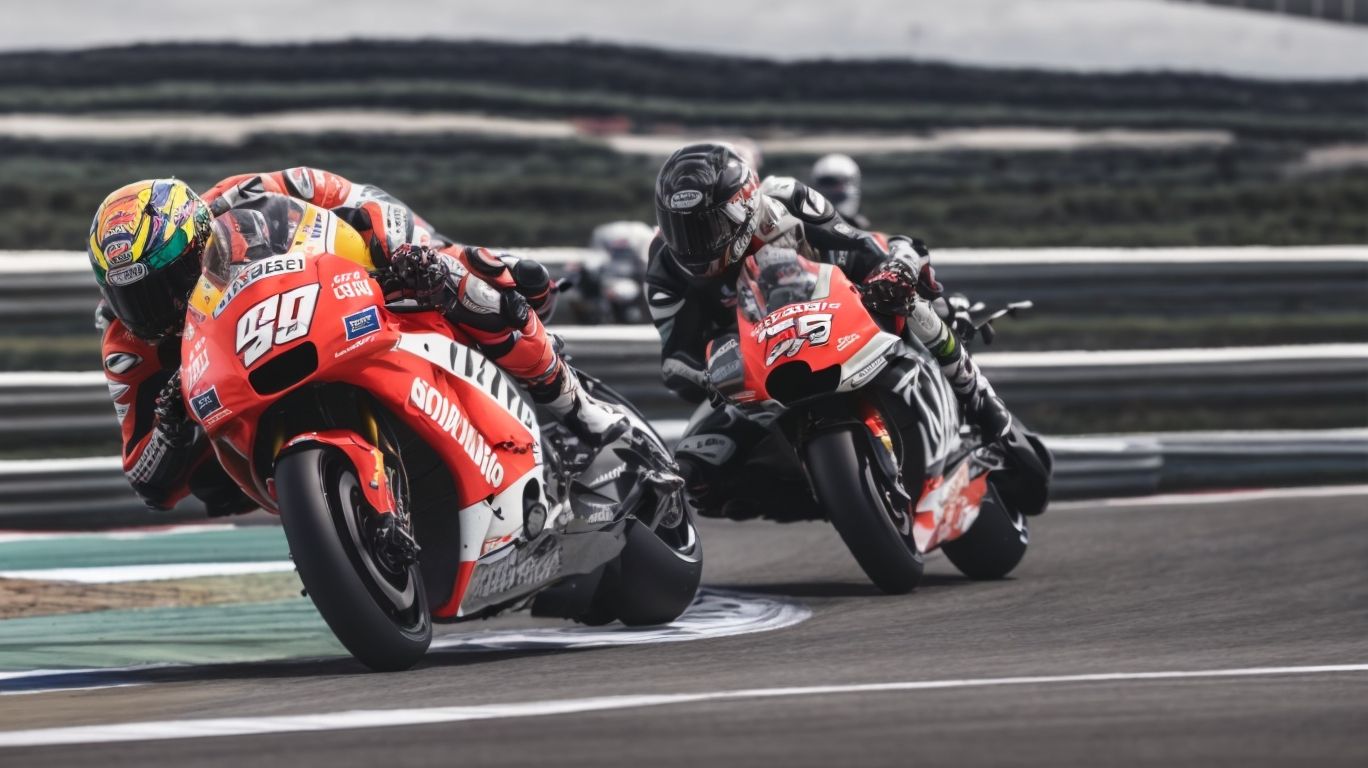
Each season, fans around the globe eagerly anticipate the heart-pounding action that MotoGP brings, as elite riders compete on cutting-edge machines capable of hitting speeds exceeding 220 mph. The thrill of MotoGP lies not only in the incredible athleticism of the riders but also in the technological marvels that are the bikes themselves, finely tuned for maximum performance on the track.
What Is a Superbike?
Superbikes, also known as production-based motorcycles, are high-performance racing machines designed for the World Superbike Championship.
These bikes are specifically created for production-based racing, in contrast to the more prototype-focused machines in MotoGP. Superbikes have a strong emphasis on high performance, featuring powerful engines, advanced suspension systems, and aerodynamic bodywork. Manufacturers like Kawasaki, Ducati, Yamaha, and BMW actively participate in designing and producing these exceptional racing motorcycles.
When compared to MotoGP bikes, Superbikes are closer to their road-going counterparts in terms of design and technology. While MotoGP bikes are purpose-built prototypes with cutting-edge components, Superbikes retain many characteristics of their production models while still being highly tuned for track performance.
What Are the Differences Between MotoGP Bikes and Superbikes?
The distinctions between MotoGP bikes and Superbikes extend to their advanced technology, engine specifications, and aerodynamic profiles.
When comparing MotoGP bikes to Superbikes, one notable difference lies in the technological sophistication. MotoGP machines incorporate cutting-edge electronics, such as traction control, wheelie control, and engine mapping, allowing riders to push the limits of performance. On the other hand, Superbikes tend to rely more on traditional mechanical setups, emphasizing raw power and torque.
The engine configurations diverge between the two classes. MotoGP bikes typically feature prototype engines with V4 layouts, high RPM capabilities, and seamless gearboxes, optimizing acceleration and speed. Superbikes, however, often use modified production engines, delivering robust mid-range power suitable for circuit racing.
Engine Size and Power
One significant contrast between MotoGP bikes and Superbikes lies in their engine sizes, power outputs, and overall performance capabilities.
While MotoGP bikes are built with cutting-edge prototype engines that are designed for the highest levels of performance, Superbikes are equipped with modified production-based engines with a focus on durability and reliability. The MotoGP machines feature sophisticated electronics systems to maximize power delivery and traction control, allowing skilled riders to push the limits of speed and agility on the track.
- In contrast, Superbikes prioritize accessible power and torque across a broader range of RPM, catering to a wider range of riders with varying skill levels.
Weight and Aerodynamics
Aerodynamics and weight distribution play a crucial role in distinguishing MotoGP bikes from Superbikes, affecting their performance on various circuits.
In terms of aerodynamics, MotoGP bikes are designed with the goal of achieving maximum downforce and minimizing drag. This helps in providing better stability at high speeds and improved cornering abilities. On the other hand, Superbikes prioritize a balance between aerodynamics and maneuverability, allowing riders to navigate technical sections with more agility.
Weight management is another key aspect that can make a significant difference in racing performance. MotoGP teams meticulously analyze weight distribution to optimize handling and braking efficiency, ensuring that the bike responds swiftly to rider inputs.
Technology and Electronics
Technological sophistication and electronic aids distinguish the engineering prowess of MotoGP bikes from Superbikes, especially in areas like ECU management and suspension systems.
In MotoGP, the Engine Control Units (ECUs) play a vital role in monitoring and adjusting the engine performance in real-time, ensuring optimal power delivery and fuel efficiency. These advanced electronic systems not only regulate the engine mapping but also contribute to enhancing traction control and anti-wheelie features, aiding the riders in managing the immense power output efficiently.
The suspension technologies employed in these high-performance bikes are revolutionary, with electronically controlled suspension systems adapting instantaneously to changing track conditions and rider inputs. This dynamic adjustment capability maximizes grip and stability, allowing riders to push the limits while maintaining control over the bike’s handling.
Which One Is Faster: MotoGP Bike or Superbike?
The speed comparison between a MotoGP bike and a Superbike involves evaluating factors such as top speeds, lap times, and acceleration performance.
In terms of top speeds, MotoGP bikes often exceed 220 mph, showcasing their unmatched velocity on the straights. In comparison, Superbikes generally reach around 200 mph, displaying slightly lower top speed capabilities.
Lap time records further highlight the distinction between these two classes, with MotoGP machines setting incredibly fast laps due to their advanced aerodynamics and lightweight construction. Conversely, Superbikes, while impressive, demonstrate slightly slower lap times due to their different design priorities.
Acceleration metrics underscore the agility and responsiveness of MotoGP bikes, enabling rapid changes in speed and direction—a crucial aspect in high-speed racing.
Top Speed
The top speed attainable by a MotoGP bike surpasses that of a Superbike, showcasing the superior velocity potential of these high-performance racing machines.
One of the key factors that enable MotoGP bikes to achieve such remarkable speeds is their cutting-edge technology. These bikes are equipped with advanced electronic control systems, high-performance engines, and lightweight materials that enhance their speed capabilities. The aerodynamic efficiencies of MotoGP bikes play a crucial role in reducing drag and maximizing speed on the track.
In comparison, while Superbikes are incredibly fast machines in their own right, their top speeds are often limited by regulations and design differences. Superbikes typically have less advanced electronics and aerodynamics than MotoGP bikes, which impacts their overall speed potential.
Notable examples of top speed achievements in MotoGP include instances where riders have reached speeds exceeding 220 mph, while Superbikes have been known to reach speeds in the range of 200 mph. These differences highlight the significant technological advancements and power-to-weight ratios present in MotoGP machines that set them apart in terms of speed performance.
Lap Times
Comparing lap times between MotoGP bikes and Superbikes reveals the nuanced performance characteristics exhibited by these racing machines across different circuits.
One of the key factors influencing lap time differentials between these two classes of motorcycles is the cornering speeds. MotoGP bikes are known for their exceptional agility and ability to maintain high speeds through corners due to their advanced aerodynamics and chassis design. This allows them to carry more speed into and out of corners, shaving crucial milliseconds off their lap times.
In contrast, Superbikes, while powerful in straight-line acceleration, might face challenges in matching MotoGP bikes in cornering speeds. The heavier weight and less aerodynamic profile of Superbikes might lead to slightly slower corner exits, impacting their overall track performance.
Acceleration
The acceleration prowess of MotoGP bikes outshines that of Superbikes, highlighting the rapid throttle response and power delivery inherent in these high-speed racing machines.
One key factor that sets MotoGP bikes apart is their exceptional power-to-weight ratio, allowing them to achieve mind-boggling speeds in a matter of seconds. The efficiency of their aerodynamics also plays a crucial role, reducing drag and maximizing forward thrust.
On the other hand, Superbikes, although powerful in their own right, may lag slightly behind due to their heavier builds and less aggressive torque curves. This results in a more gradual acceleration curve compared to the near-instantaneous surge experienced on a MotoGP machine.
Are There Any Other Factors That Affect Speed in Racing?
Apart from the technical aspects of motorcycles, speed in racing is influenced by external factors such as track conditions, rider skill, and experience levels.
Track conditions play a crucial role in determining the overall speed during a race. A wet track demands a different approach than a dry one, requiring riders to adjust their strategy on the fly. Rider expertise further amplifies this impact, as seasoned racers can navigate tricky conditions with more finesse and confidence.
The experience level of a rider significantly influences their performance on the track. Novice riders may lack the intuition and instincts of more experienced counterparts, affecting their speed and decision-making during races.
Track Conditions
The track conditions, including factors like temperature, surface grip, and weather variations, significantly affect the speed and performance of MotoGP and Superbike machines.
Temperature plays a crucial role in determining the tire behavior and engine performance on the track. High temperatures can lead to tire wear and reduced grip, affecting the bike’s ability to corner effectively. Conversely, lower temperatures can impact tire warm-up, making it challenging for riders to push their machines to their limits.
Surface grip variations, caused by factors like rubber buildup, debris, or track composition, can alter the handling characteristics of the bikes. Teams need to constantly monitor these changes and adjust their setups to maintain optimal performance.
Weather conditions, such as rain or strong winds, pose additional challenges, affecting the traction levels and overall stability of the motorcycles. Riders must adapt their riding styles and strategies to navigate safely and competitively under such circumstances.
Rider Skill and Experience
The expertise and experience levels of riders play a pivotal role in determining the speed and competitive edge in MotoGP and Superbike races.
Seasoned professionals in these high-speed competitions possess a deep understanding of the intricate dynamics of motorcycle racing. Their honed skills not only impact their own speed and lap times but also significantly influence the overall outcomes of races. Leveraging experience and expertise, these riders make split-second decisions, anticipate the moves of their opponents, and maneuver through challenging corners with finesse. Their track knowledge allows them to find the most efficient racing lines and exploit every opportunity to gain an advantage over their rivals.
Team Support and Strategy
Effective team support and strategic planning are essential elements that contribute to speed and success in MotoGP and Superbike competitions.
Team dynamics play a crucial role in ensuring that riders have the right support system in place during races. This involves clear communication, trust among team members, and efficient coordination to address any challenges that may arise swiftly. The technical expertise within the team is paramount for optimizing the performance of the motorcycle, fine-tuning its components, and ensuring it operates at peak efficiency.
Strategic planning not only involves preparing for the race day itself but also analyzing competitors, studying the track conditions, and devising race strategies that capitalize on the strengths of the rider and the bike. The ability to adapt these strategies on the fly during a race can be the difference between victory and defeat.
What Are the Risks and Dangers of Racing at High Speeds?
Racing at high speeds entails inherent risks and dangers that demand precise control, situational awareness, and adherence to safety protocols.
Competing in MotoGP and Superbike races presents unique challenges that go beyond sheer speed. Physical endurance is paramount as riders subject their bodies to extreme G-forces and intense vibrations. The mental fortitude required cannot be overstated, with split-second decision-making crucial in avoiding potential disasters. Riders must possess exceptional reflexes and spatial awareness to navigate tight turns and fast straightaways seamlessly.
The demands of high-speed racing extend beyond individual skill. Equipment reliability is crucial, as any mechanical failure at top speeds can have catastrophic consequences. Proper risk management strategies, such as pre-race track evaluations and continuous training, are integral in minimizing the dangers involved.
How Do MotoGP and Superbike Racing Compare to Other Motorsports?
In comparison to other motorsports like Formula One, MotoGP and Superbike racing offer unique thrills, dynamic competitions, and specialized challenges for riders and teams.
The main distinction between MotoGP and Superbike racing lies in their vehicles and technical regulations. MotoGP features prototype bikes that are purpose-built for each team, whereas World Superbike races involve modified production motorcycles available for purchase by the public.
MotoGP circuits tend to be on tighter, twistier tracks compared to the larger, smoother tracks commonly seen in Formula One. The performance metrics in MotoGP are centered around acceleration, cornering speeds, and braking, whereas Formula One emphasizes top speeds and aerodynamics.
Formula One
The adrenaline-fueled world of Formula One racing presents a stark contrast to the high-speed thrills and technical precision of MotoGP and Superbike competitions.
While Formula One cars are the pinnacle of engineering excellence, with aerodynamic designs and advanced technology that push the limits of speed and performance, MotoGP bikes and Superbikes focus on agility and nimbleness to navigate tight corners and challenging tracks. The intense battles in motorcycle racing demand split-second decision-making as riders maneuver through the pack with breathtaking skill and bravery.
In Formula One, strategies revolve around pit stops, tire management, and aerodynamic setups tailored to each track’s characteristics. The races unfold with calculated precision, where teams strategize to gain positions through pit strategies and clever usage of DRS zones.
On the other hand, motorcycle racing requires a blend of daredevil bravery and finesse as riders weave through tight spaces, lean into corners at extreme angles, and engage in fierce wheel-to-wheel combat. The element of slipstreaming in MotoGP and Superbike racing adds a unique challenge, as riders jostle for position while benefiting from the aerodynamic advantage of closely following another bike.
World Superbike Championship
The World Superbike Championship offers a distinct racing experience characterized by production-based motorcycles, diverse circuits, and intense on-track battles that set it apart from MotoGP races.
What makes the World Superbike Championship truly unique is its focus on production-based motorcycles, meaning the bikes you see on the track are closely related to the ones you can buy from a dealership. This adds a relatable element for fans and highlights the technology transfer from the track to the street.
The variety of circuits in the World Superbike series presents a different challenge for riders at each round. From fast, flowing tracks to tight and technical layouts, the riders must adapt their strategies and riding styles to conquer the diverse environments.
Unlike MotoGP, where prototype bikes dominate, the World Superbike Championship provides a platform for manufacturers to showcase their production models and for riders to demonstrate their skills in handling these powerful yet commercially available machines.
Isle of Man TT
The Isle of Man TT stands as a legendary event in motorbike racing, known for its unparalleled excitement, daring challenges, and thrilling speeds on public roads.
This iconic event, steeped in tradition, has been captivating audiences and riders alike for over a century. With its roots dating back to 1907, the Isle of Man TT has a rich history of pushing the limits of motorcycle racing. Riders from around the world flock to this challenging course in pursuit of glory, facing narrow roads, sharp bends, and sheer drops that require nerves of steel. The unique appeal of the Isle of Man TT lies in its fusion of adrenaline-fueled racing with the stunning natural beauty of the island’s rugged landscape, creating an unforgettable experience for spectators and participants alike.
Frequently Asked Questions
Are Motogp Bikes Faster Than Superbikes?
Yes, Motogp bikes are generally faster than Superbikes.
What is the main difference in speed between Motogp bikes and Superbikes?
The main difference is that Motogp bikes can reach higher top speeds and have faster acceleration than Superbikes.
Why are Motogp bikes faster than Superbikes?
Motogp bikes are specifically designed for speed and performance on the track, whereas Superbikes are designed for both street and track use, making them less specialized in terms of speed.
How much faster are Motogp bikes compared to Superbikes?
The difference in speed can vary, but on average, Motogp bikes can reach speeds up to 220mph, while Superbikes top out at around 180mph.
Do Motogp bikes and Superbikes have different engine types?
Yes, Motogp bikes typically have 4-stroke engines, while Superbikes can have either a 2-stroke or 4-stroke engine. This can also contribute to the difference in speed between the two.
Are there any other factors besides engine type that affect the speed of Motogp bikes and Superbikes?
Yes, the aerodynamics, weight, and overall design of the bike can also play a significant role in its speed and performance on the track.