Do Motogp Riders Keep Their Bikes?
MotoGP is a thrilling sport that captivates audiences around the world. Have you ever wondered what happens to the bikes after a race? Do MotoGP riders keep their bikes, or are they returned to the team?
We will explore the fascinating world of MotoGP bikes, including how they differ from regular motorcycles, the costs associated with them, and what happens to old bikes once they are retired.
Discover the safety measures taken by MotoGP riders and the protective gear they rely on to stay safe on the track.
Key Takeaways:
What Is MotoGP?
MotoGP is the premier class of motorcycle road racing, where top riders compete on cutting-edge motorcycles in a high-stakes championship, featuring legendary racers like Valentino Rossi.
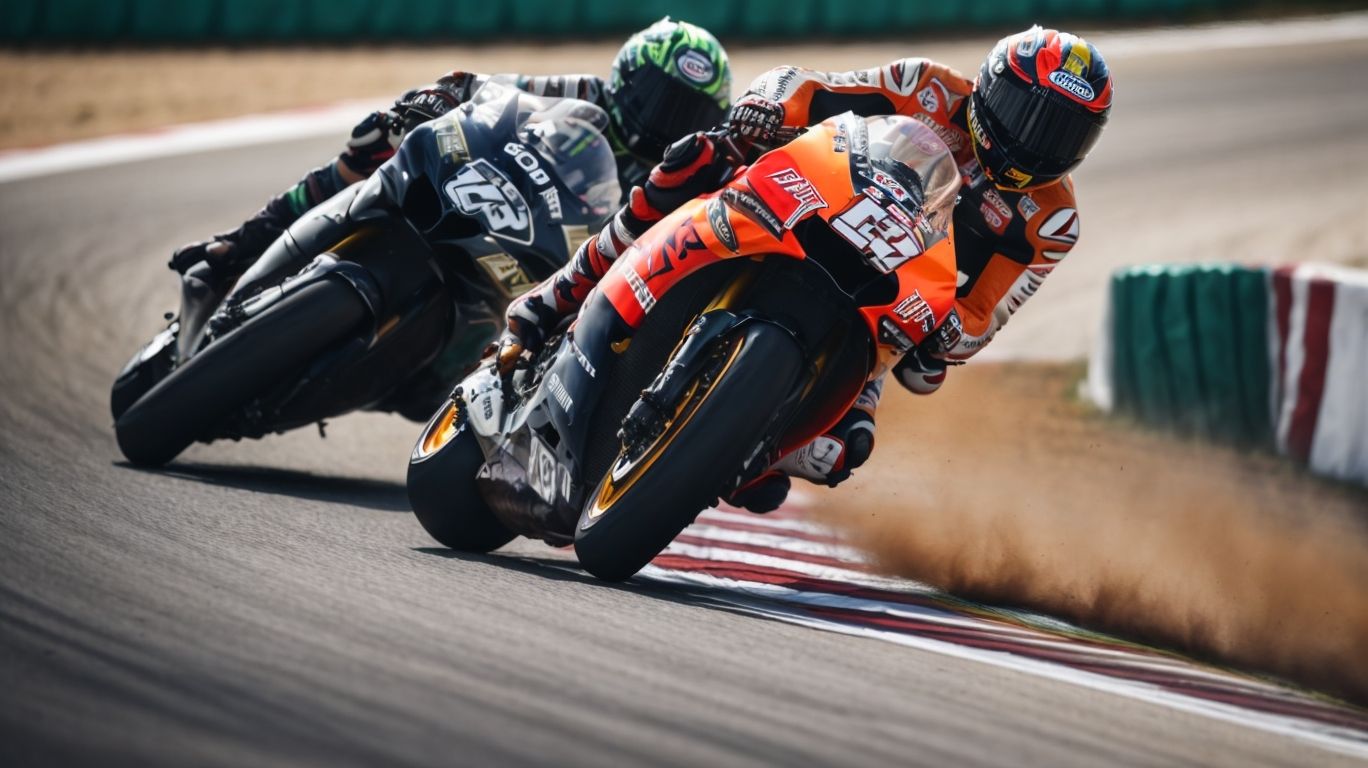
The MotoGP championship captivates audiences worldwide with its thrilling races held on iconic circuits across the globe. Each race weekend is a blend of speed, skill, and strategy as riders push the limits of man and machine. The technological advancements in MotoGP bikes are truly remarkable, with engineers constantly refining aerodynamics, engine performance, and electronics to gain a competitive edge. These finely tuned bikes can reach mind-boggling speeds, showcasing the ultimate fusion of human talent and cutting-edge engineering.
How Are MotoGP Bikes Different From Regular Motorcycles?
MotoGP bikes differ from regular motorcycles due to their advanced technology, specialized design, and use of premium materials sourced by top manufacturers.
In MotoGP, manufacturers constantly push the boundaries of innovation to enhance performance and speed, using cutting-edge engineering techniques and materials like carbon fiber and titanium. These bikes are equipped with state-of-the-art electronics, including traction control, quick shifters, and data acquisition systems that provide real-time feedback to riders.
The aerodynamics of MotoGP bikes are meticulously designed to maximize speed and handling, with wind tunnels used to refine every curve and angle. Riders also rely on specialized equipment such as custom-fitted suits with airbags, ergonomic controls, and helmets with advanced communication systems.
Do MotoGP Riders Keep Their Bikes?
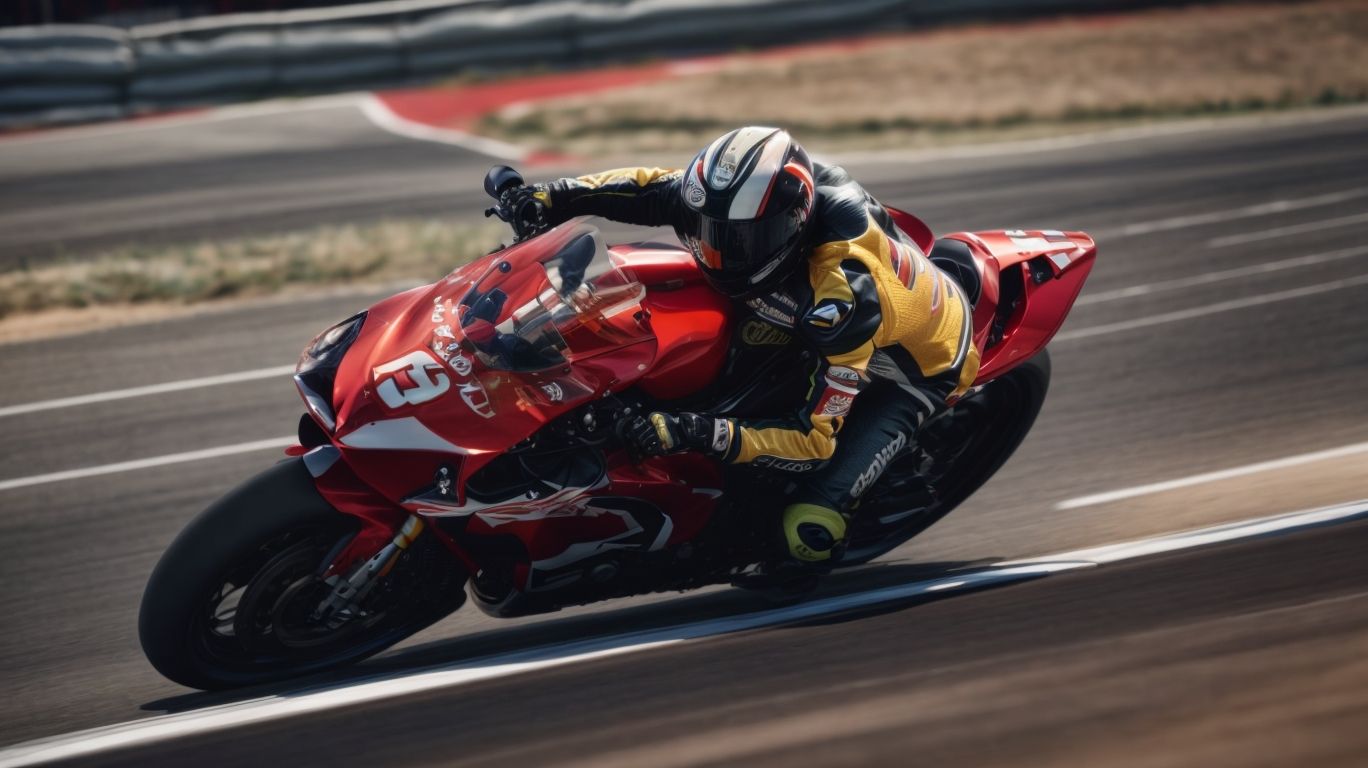
MotoGP riders usually do not keep their bikes after races, as the motorcycles are often collected for auctions or retained by manufacturers for testing purposes.
After a thrilling race weekend, when the checkered flag falls, the fate of these high-performance machines takes an intriguing turn. The MotoGP bikes, adorned with the scratches and battle scars from fierce competition, are meticulously collected by specialized teams before being prepped for their next chapter.
These bikes then make their way to auctions, attracting avid collectors and enthusiasts eager to own a piece of racing history. Alternatively, manufacturers often choose to retain these bikes for rigorous testing and development, utilizing valuable data to enhance the performance of future models.
What Happens To The Bikes After A Race?
After a MotoGP race, the bikes are typically returned to the private teams or manufacturers for maintenance, evaluation, and potential upgrades.
Upon arrival, the bikes undergo a thorough evaluation process where technicians meticulously examine each component for wear and tear. Performance enhancements are then implemented based on data collected during the race, tweaking settings to optimize speed and handling. Private teams often collaborate closely with manufacturers to fine-tune the bikes, ensuring they meet both safety standards and performance expectations. This attention to detail extends to the smallest parts, with mechanics meticulously checking and adjusting everything from the suspension to the engine internals.
What Is The Cost Of A MotoGP Bike?
The cost of a MotoGP bike can vary significantly, with prices typically reaching substantial amounts due to the high-performance units and advanced technology used by manufacturers.
Motorcycles in the MotoGP series are meticulously engineered machines that incorporate cutting-edge materials and components like carbon fiber chassis, titanium exhaust systems, and high-performance suspension systems. These premium parts not only enhance the bike’s speed and agility but also contribute significantly to its overall cost.
As a result, purchasing and maintaining a MotoGP bike can pose significant budget challenges for enthusiasts and private collectors. The exclusivity and rarity of these bikes further drive up their prices, making them a coveted item in the racing community.
Auctions play a crucial role in determining the value of MotoGP bikes, as bidding wars between passionate collectors can skyrocket prices to astronomical figures. The history, performance records, and the prestige of a particular bike also influence its market price significantly.
How Much Does It Cost To Build A MotoGP Bike?
The cost to build a MotoGP bike involves significant investments in advanced technology, premium materials, and specialized equipment, with manufacturers like Ducati pushing the boundaries of innovation alongside elite riders like Valentino Rossi.
These high-performance machines are meticulously crafted to meet the demanding requirements of MotoGP racing. Cutting-edge technology, including carbon fiber frames and components, sophisticated electronics systems, and aerodynamic enhancements, contribute to the top-tier performance of these bikes.
The use of titanium, lightweight alloys, and bespoke components further adds to the overall cost, ensuring that the MotoGP bikes are lightweight yet durable for the rigorous racing conditions they encounter.
How Much Does It Cost To Maintain A MotoGP Bike?
Maintaining a MotoGP bike comes with substantial costs, as teams invest in high-quality equipment and specialized services to ensure peak performance, with riders like Valentino Rossi relying on top-tier support from manufacturers like Honda.
The expenses associated with these high-performance machines go far beyond just the initial purchase cost. Teams must allocate significant budgets for ongoing maintenance, parts replacement, and regular upgrades to keep up with the ever-evolving technology in the world of motorcycle racing.
Quality equipment such as carbon fiber parts, advanced electronic systems, and specialized tires are essential investments that directly impact the bike’s performance on the track. Professional maintenance services provided by experienced technicians play a crucial role in ensuring that every component works flawlessly during intense races.
Are MotoGP Bikes Street Legal?
MotoGP bikes are not street legal by default, as they are purpose-built racing machines tailored for track performance, featuring high-performance engines, advanced chassis, and specialized components.
These bikes are optimized for speed, handling, and aerodynamics on the track, with manufacturers focusing on pushing the limits of performance without the restrictions of road laws. To make them street legal, significant modifications are necessary.
Modifications often include additions such as headlights, taillights, turn signals, mirrors, horns, and street-legal exhaust systems. Adjustments to the engine mapping and suspension may be required to meet safety and emissions regulations.
What Modifications Are Needed To Make A MotoGP Bike Street Legal?
Converting a MotoGP bike for street legal use involves significant modifications, including safety enhancements such as installing lights, indicators, mirrors, and incorporating rider safety gear like helmets, suits, gloves, and boots.
Along with these safety features, a MotoGP bike must also undergo alterations to comply with regulatory standards, which may include modifications to the exhaust system for noise reduction, adding a license plate holder, and adjusting the suspension for road compatibility.
Rider accessories like leather suits, protective armor, and advanced communication systems play a crucial role in ensuring the rider’s safety on public roads, making them essential additions to the converted bike.
What Happens To Old MotoGP Bikes?
Old MotoGP bikes are often preserved and showcased at museums like the Ducati Museum, providing enthusiasts with a glimpse into the racing history and technological evolution of renowned manufacturers such as Suzuki and KTM.
These retired MotoGP machines serve as a testament to the incredible engineering feats and racing prowess of their eras. The meticulous preservation efforts not only honor the past achievements of these legendary bikes but also offer racing fans a unique opportunity to witness firsthand the evolution of technology and design in the MotoGP realm.
Suzuki and KTM, amongst other manufacturers, have played crucial roles in shaping the competitive landscape of MotoGP, and their contributions extend beyond the track. By displaying these historic bikes at museums, they celebrate their heritage, showcasing the relentless pursuit of excellence that defines the sport.”
Are They Sold To The Public?
Old MotoGP bikes are sometimes sold to the public through auctions, offering enthusiasts and collectors a rare opportunity to own a piece of racing history once utilized by private teams and legendary riders.
This process of selling retired MotoGP bikes through auctions generates significant excitement within the motorcycle community, as aficionados eagerly anticipate the chance to acquire machines that have raced on iconic tracks around the world.
These bikes carry an emotional and historical significance beyond their mechanical functions, serving as tangible connections to the thrilling moments and remarkable achievements of past racing seasons.
For many collectors, the allure lies not only in the performance capabilities of these bikes but also in the stories they hold, intertwined with the talent and passion of celebrated riders who once piloted them.
Are They Used For Training Purposes?
Old MotoGP bikes are often repurposed for training purposes within racing academies like the Morbidelli Museum or as testing platforms for up-and-coming riders in categories such as Moto2 and Moto3.
These retired racing machines provide a unique opportunity for aspiring young riders to immerse themselves in the world of professional motorcycle racing, learning from the best of the best. At places like the Morbidelli Museum, these bikes not only serve as a reminder of the rich history of the sport but also actively contribute to shaping the future of MotoGP by honing the skills of potential champions. With their advanced technology and performance capabilities, these MotoGP bikes offer a challenging yet rewarding training ground for riders looking to make their mark in the competitive world of motorcycle racing.
What Are The Safety Measures Taken By MotoGP Riders?
MotoGP riders prioritize safety by wearing specialized gear such as helmets, suits, gloves, and boots, designed to provide protection against high-speed impacts and ensure rider safety during intense racing events.
These riders understand the critical role that protective gear plays in minimizing the risks associated with the high-speed nature of MotoGP racing. Each piece of equipment is meticulously crafted to offer maximum protection without compromising on comfort or performance. The helmets, constructed from advanced materials and featuring impact-absorbing technology, safeguard the riders’ heads from severe injuries in case of a crash.
The tailored suits fit like a second skin, providing not only abrasion resistance but also crucial impact protection for vital areas of the body. The specially reinforced gloves offer enhanced grip and shielding for the hands, enabling a secure hold on the handlebars during challenging maneuvers.
The boots, with their sturdy construction and ankle support, not only enhance the rider’s control over the bike but also reduce the risk of lower limb injuries. These comprehensive safety measures allow MotoGP riders to focus on their performance with the confidence that they are well-protected on the track.
What Protective Gear Do They Wear?
MotoGP riders wear a full complement of protective gear, including aerodynamically optimized helmets, custom-tailored suits, impact-resistant gloves, and specialized boots designed to mitigate aerodynamic drag forces and enhance rider safety.
The helmets worn by MotoGP riders are not just any helmets; they are precision-engineered marvels of modern technology. Constructed from advanced materials like carbon fiber, they offer unparalleled impact protection while being lightweight to minimize strain on the rider’s neck. These helmets also feature aerodynamic shapes that reduce wind resistance at high speeds, allowing for greater stability on the track.
The custom-tailored suits worn by MotoGP riders are like a second skin, providing both flexibility and protection. Made from high-quality leather or textile materials, these suits have built-in armor at critical impact zones such as the elbows, shoulders, and knees. They are designed to withstand abrasions and impacts, ensuring the rider remains safe in case of a crash.
Regarding gloves, MotoGP riders opt for specialized ones that offer a perfect balance between dexterity and protection. These gloves are equipped with features like carbon fiber knuckle guards and reinforced palms to protect against impacts and abrasions. The gloves fit snugly to ensure the rider maintains a strong grip on the handlebars while providing vital protection to the hands.
The boots worn by MotoGP riders are not your ordinary footwear. These specialized boots are reinforced at the ankles, shins, and toes to safeguard against fractures and torsion injuries. They also feature anti-slip soles for enhanced grip and come with built-in sliders that help reduce friction in case of a slide, further enhancing rider safety.
How Do They Train For Safety?
MotoGP riders undergo rigorous safety training under the guidance of experienced coaches and mentors, with institutions like the motoDNA Riders Academy offering specialized programs to enhance rider safety awareness and skill development.
Along with one-on-one coaching sessions, MotoGP riders often participate in group training exercises that simulate race conditions, allowing them to practice crucial maneuvers and techniques in a controlled environment. These specialized training programs not only focus on improving physical and mental endurance but also emphasize the importance of quick decision-making and risk assessment on the track.
- Safety training in MotoGP doesn’t stop at physical skills; riders also undergo comprehensive briefings on track regulations, bike mechanics, and emergency protocols to ensure they are fully equipped to handle any situation they may encounter during a race.
- At the motoDNA Riders Academy, experts work closely with riders to analyze their performances, identify areas for improvement, and tailor training programs to address specific weaknesses and enhance overall performance.
Frequently Asked Questions
Do Motogp riders keep their bikes?
Yes, Motogp riders are given their own bikes to use during the entire season. However, they do not get to keep the bikes after the season ends.
How many bikes do Motogp riders have?
Each Motogp rider is given a total of six bikes for the entire season. These bikes are used for different purposes such as testing, qualifying, and racing.
Can Motogp riders customize their bikes?
Yes, Motogp riders are allowed to customize their bikes to fit their personal preferences and riding style. However, there are strict regulations and limitations on what modifications can be made.
Do Motogp riders use the same bike for every race?
No, Motogp riders have multiple bikes and they usually use a different bike for each race. This is to prevent any technical issues or malfunctions from affecting their performance during a race.
What happens to the bikes after the season ends?
The bikes used by Motogp riders are returned to their respective teams at the end of the season. The teams may choose to keep the bikes for future use or sell them to other teams.
Do Motogp riders get to keep any parts or memorabilia from their bikes?
Yes, Motogp riders are allowed to keep some parts or memorabilia from their bikes as mementos. However, this is at the discretion of the team and is usually limited to non-essential parts or items.