What Happens When There is a Crash in Nascar?
If you’ve ever watched a Nascar race, you know that crashes can be a common and dangerous occurrence on the track.
We’ll explore the reasons behind Nascar crashes, the impact they have on drivers and the race itself, and how drivers prepare for and recover from these intense moments.
Dive into the high-speed world of Nascar crashes.
Key Takeaways:
What is Nascar?
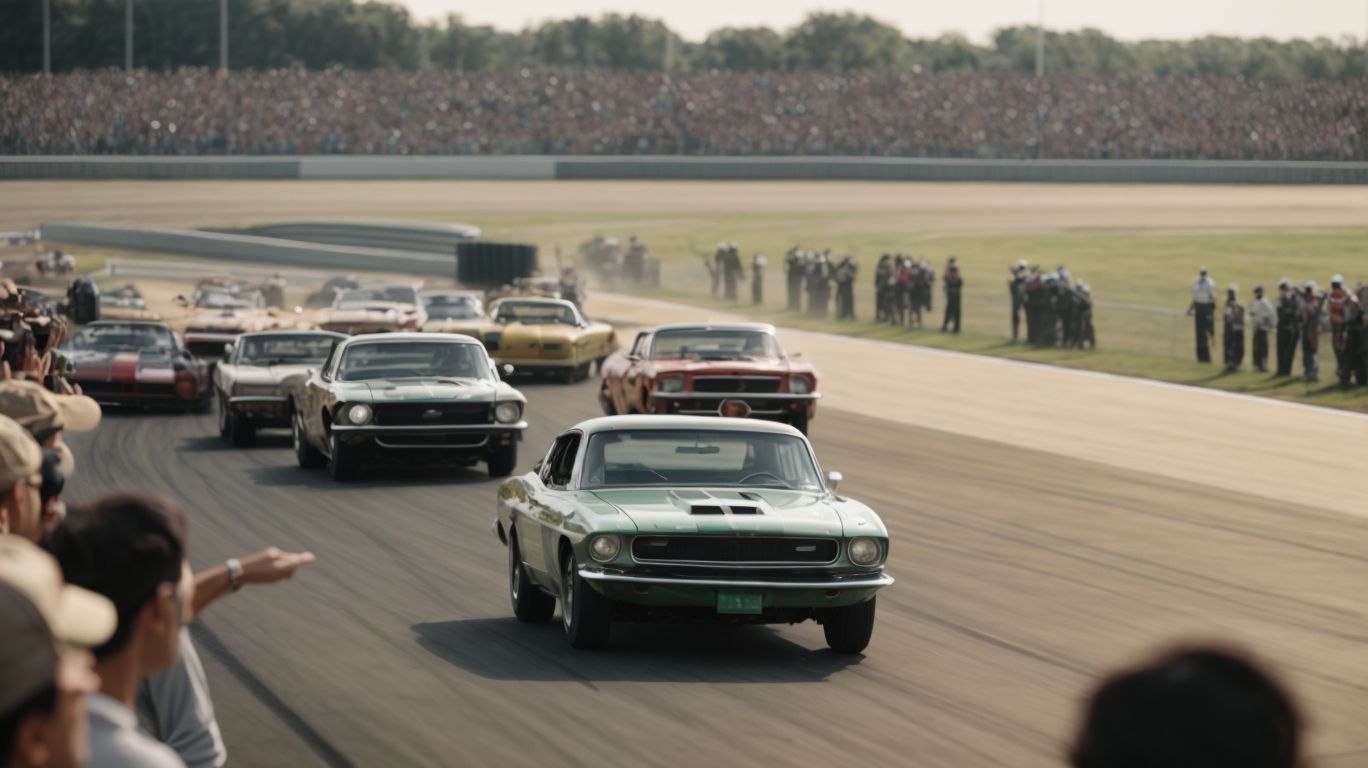
NASCAR, the National Association for Stock Car Auto Racing, is a premier motorsport series known for its strict rules and regulations governing both the cars and drivers.
Established in 1948, NASCAR has a rich history deeply rooted in American auto racing culture. Over the years, it has grown into one of the most popular and profitable racing series in the world. The significance of NASCAR lies not only in the adrenaline-pumping races but also in its ability to attract a massive fan following and lucrative sponsorship deals. Sponsors play a crucial role in NASCAR, providing financial support to teams and helping them stay competitive.
The cars used in NASCAR races are specially designed to meet the strict regulations set by the governing body. These regulations ensure fair competition and safety for all drivers. Each driver in the series, from seasoned veterans to up-and-coming rookies, brings their unique skills and strategies to the track, making every race a thrilling spectacle for fans around the globe.
What Causes Crashes in Nascar?
Crashes in NASCAR can occur due to various factors, including mechanical failures, driver errors, and challenging track conditions that test the safety measures in place.
One of the most common causes of crashes in NASCAR is mechanical failures, which can range from engine issues to brake failures, putting drivers at risk of losing control of their vehicles.
Driver errors also play a significant role, whether it’s misjudging a turn or making a risky maneuver under competitive pressure.
The importance of safety in NASCAR cannot be overstated, with stringent regulations in place to protect drivers and minimize the impact of crashes.
Unpredictable track conditions, such as weather changes or debris on the track, add another layer of complexity to the race, requiring drivers to adapt quickly to ensure their safety.
Mechanical Failure
Mechanical failures in NASCAR races often stem from issues with the cars themselves, including components provided by different manufacturers that must meet stringent safety standards.
In the high-octane world of NASCAR, the pressure is on manufacturers to deliver parts that can withstand the extreme conditions of competitive racing. From engine malfunctions to brake failures, each component must be precision-engineered to perform flawlessly under immense stress.
Take, for example, a recent race where a leading driver was forced to retire due to a sudden gearbox failure. The failure was traced back to a faulty part supplied by a renowned manufacturer, highlighting the critical role of quality control in ensuring driver safety on the track.
Driver Error
Driver errors can lead to catastrophic crashes in NASCAR, highlighting the importance of driver training, focus, and adherence to safety protocols on every race course.
One common driver error that can result in crashes is failing to maintain the proper racing line. The racing line is the path that allows a driver to take turns at the optimal speed, ensuring maximum control and stability. Deviating from this line, either due to distraction or miscalculation, can lead to loss of control and potential collisions.
Another critical error is misjudging braking points. Drivers need to brake at the right time and with the right intensity to maintain control of their cars. Misjudging braking points can lead to rear-end collisions or overshooting corners, increasing the risk of accidents.
Aggressive driving behavior, such as excessive blocking or retaliatory moves against other drivers, can escalate tensions on the race course and result in dangerous situations. Impatience and hot-headedness can cloud a driver’s judgment, leading to risky maneuvers and potential crashes.
Track Conditions
Track conditions, such as varying surface grip levels, proximity of barriers, and the layout of the race course, significantly impact driver performance and the overall safety of NASCAR races, with notable examples in Chicago.
Chicago’s track, with its distinct characteristics, poses challenges for drivers, demanding high skill and adaptability. The track’s surface can change throughout a race, affecting tire grip and handling. The close proximity of barriers increases the risk of collisions, making precision and strategy crucial. Safety measures, including SAFER barriers and impact-absorbing technology, play a vital role in minimizing the impact of crashes, safeguarding drivers from severe injuries. These features, combined with driver expertise, determine race outcomes and highlight the dynamic nature of NASCAR competitions.
What Happens During a Crash in Nascar?
During a crash in NASCAR, cars sustain significant damage, drivers may suffer injuries, and safety precautions are immediately activated to ensure the well-being of everyone involved.
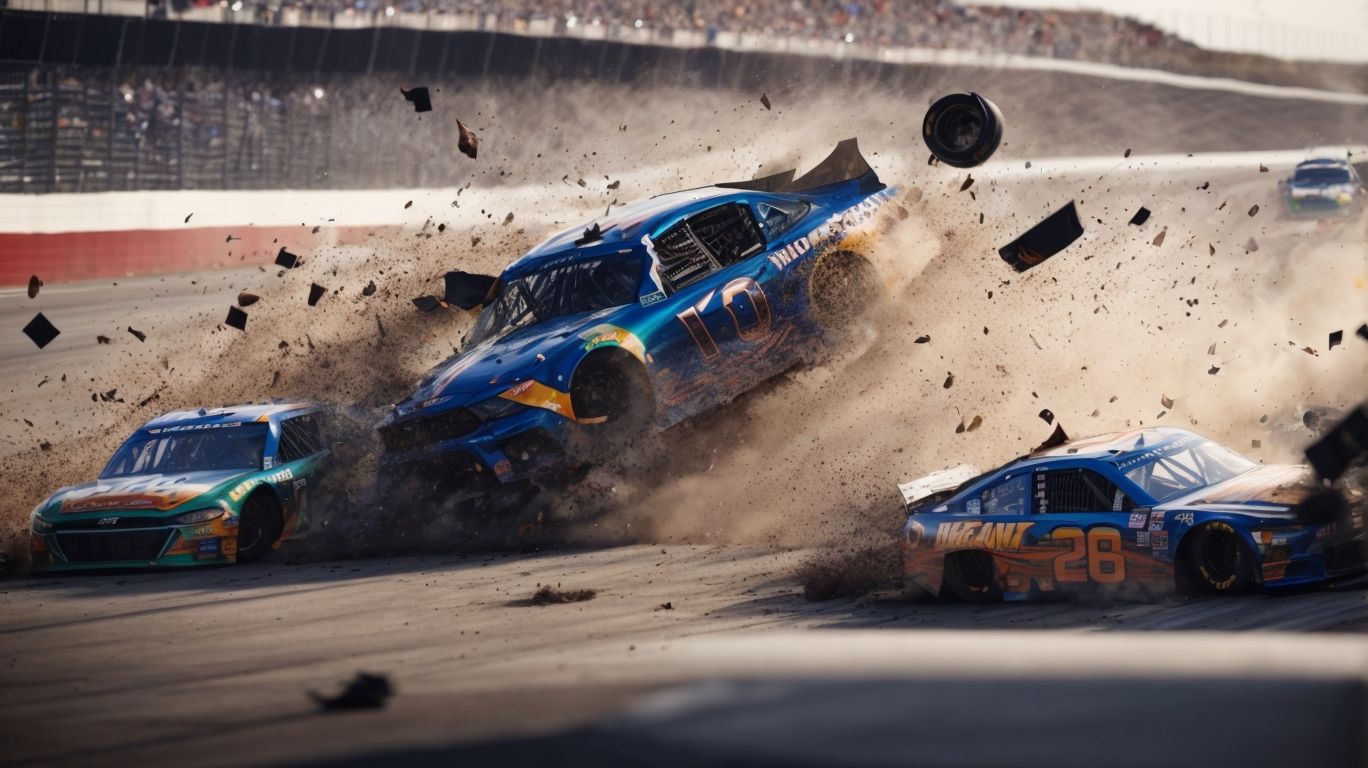
Immediately following a crash, the scene in NASCAR can be chaotic as officials rush to assess the extent of the car damage and attend to any injured drivers. The impact of the collision often leaves the vehicles mangled, debris scattered across the track, indicating the sheer force of the crash.
Driver injuries, ranging from minor bruises to more serious trauma, highlight the physical risks these athletes face every time they hit the track. Safety crews swiftly spring into action, carefully extracting drivers from their wreckage, providing medical attention, and transporting them to the infield care center for further evaluation.
The orchestrated response plan, encompassing stringent safety precautions and well-trained personnel, aims to minimize the risks associated with high-speed racing, underlining NASCAR’s unwavering commitment to prioritizing the safety and well-being of its participants.
Car Damage
Car damage in NASCAR races often leads to teams working tirelessly to repair and restore the vehicles to their optimal condition, maintaining safety standards and preserving the brands associated with the cars.
After a crash, the race car undergoes a thorough inspection by the team’s mechanics to identify all the damaged components. They meticulously assess the extent of damage, including bodywork, engine, suspension, and aerodynamics. Utilizing advanced tools and technology, teams strive to quickly replace or repair any faulty parts, ensuring the car is race-ready.
Safety considerations play a crucial role in this process, with teams prioritizing the well-being of the driver and surrounding competitors. Compliance with stringent safety regulations is paramount to prevent any potential risks or hazards during subsequent races.
Team collaboration and efficiency are key in expediting the repair process while upholding quality standards. Each member performs their specialized tasks with precision, aiming to get the car back on track without compromising performance or safety.
Driver Injuries
Driver injuries in NASCAR accidents underscore the importance of safety measures like the Viceroy Rule, which mandates protective gear and protocols to minimize harm to drivers sponsored by various companies.
In high-speed races such as those in NASCAR, drivers face numerous risks that can lead to a variety of injuries. Common injuries drivers may sustain in accidents include concussions, fractures, spinal injuries, and burns. These can have long-lasting effects on their physical well-being and racing careers.
To address these risks, safety initiatives have become paramount. The Viceroy Rule, for instance, requires drivers to wear advanced helmets, fire-resistant suits, and other safety equipment to reduce the severity of injuries in case of crashes.
Safety Precautions
Stringent safety precautions are implemented in NASCAR events to protect drivers, spectators, and track personnel, with regulatory bodies like IMSA playing a pivotal role in setting and enforcing safety standards.
At NASCAR races, teams adhere to strict guidelines covering everything from vehicle construction to driver gear. Safety harnesses, fire-resistant suits, and helmets are mandatory for drivers. Pit crews must wear protective gear while working on cars during races. Track barriers and safety walls are meticulously inspected and maintained to absorb impact in case of accidents. IMSA oversees safety checks, inspects track layouts, and enforces rules to ensure all safety protocols are followed at every NASCAR event, fostering a secure environment for everyone involved.
How Do Officials Respond to a Crash in Nascar?
When a crash occurs in NASCAR, officials respond swiftly by deploying different flags such as the red flag to halt the race, the caution flag to slow down drivers, and the black flag to penalize specific participants.
These flag signals serve a crucial role in maintaining order and safety on the track. The red flag indicates the highest level of caution, bringing the race to a standstill so that track officials can quickly attend to any emergency situations. On the other hand, the caution flag alerts drivers to reduce their speed and be prepared for potential hazards ahead, preventing further accidents amid the chaos.
The black flag is a powerful tool wielded by NASCAR officials to enforce rules and regulations. It is raised to penalize drivers who violate regulations, such as aggressive driving or failing to adhere to safety protocols. Punishments can include anything from a warning to disqualification based on the severity of the infraction, emphasizing the importance of respecting the rules set forth by race officials.
Red Flag
The red flag in NASCAR signifies a temporary halt to the race, allowing officials to address safety concerns, teams to regroup, and track conditions to be evaluated before resuming competition.
When the red flag is waved during a race, it not only brings a dramatic pause to the high-speed action but also sets in motion a critical series of evaluations. Safety assessments take place to ensure that both drivers and spectators are out of harm’s way. For teams, this break offers a window to strategize, make adjustments, and prepare for the ensuing restart that can decide the outcome of the race. Officials play a crucial role in overseeing these crucial safety checks and coordinating the seamless continuation of the event, emphasizing the paramount importance of safety in competitive racing.
Caution Flag
The caution flag in NASCAR indicates a hazard on the track, prompting officials to slow down the drivers, implement safety measures, and prepare for potential incidents during the ongoing race.
This safety protocol is critical in ensuring the well-being of both drivers and spectators.
When the caution flag waves, drivers must immediately reduce their speed and maintain their position relative to other cars, while officials assess and address the potential danger on the track. This period allows teams to strategize and make necessary adjustments to their vehicles to navigate any obstacles or debris safely.
Meanwhile, race officials communicate with the drivers through radio to provide updates and guidance on the evolving situation, ensuring a controlled and organized response to the hazard.
Black Flag
The black flag in NASCAR serves as a disciplinary tool, signaling penalties or disqualifications for specific drivers who violate rules, compromise safety, or fail to adhere to race directives set by officials.
When a driver receives the black flag, it not only affects their individual performance but also impacts the overall flow and safety of the race. By enforcing penalties through the black flag, officials maintain order on the track and ensure that all participants compete fairly within the established regulations. Safety is paramount in NASCAR, and the black flag acts as a reminder that rules are in place to protect the drivers, pit crews, and spectators. These decisions, made by officials based on careful observation and data, help uphold the integrity of the sport and contribute to the excitement of NASCAR races.
What Happens to the Race After a Crash in Nascar?
Following a crash in NASCAR, the race restart procedure is initiated, points are reevaluated based on the revised standings, and qualifying sessions may impact the positioning of the points leader in subsequent races.
When a crash disrupts a NASCAR event, the post-crash race dynamics come into play, reshaping the competitive landscape. The race restarts under a controlled procedure, ensuring the safety of drivers and attendees while maintaining the excitement of the sport. As drivers line up for the restart, the points system undergoes recalibration to reflect the revised standings after the incident. This recalibration can significantly affect the overall championship standings, creating a sense of unpredictability and drama.
Restart Procedure
The restart procedure in NASCAR involves the orderly resumption of the race after a caution period, overseen by officials who ensure the safety of drivers and the integrity of the competition.
Once the caution period ends, officials communicate with the drivers through radio to instruct them on the upcoming restart. Safety is a top priority, so officials inspect the track for any debris or fluid spillage that could pose a risk, ensuring a clean racing surface. Drivers are required to maintain their position unless they receive a signal to pass the pace car, which leads them in a controlled speed around the track until the green flag waves, signifying the restart. This meticulous process aims to maintain fairness and safety throughout the race.
Points System
The points system in NASCAR determines the championship standings, influenced by race results, qualifying performances, and the consistency of drivers across various competitions.
One of the key aspects of the NASCAR points system is its role in shaping the title picture. Drivers not only need to perform well in individual races but also must focus on accumulating points consistently throughout the season to stay competitive in the championship race. Consistency is paramount in this high-stakes sport, where one exceptional race may not be enough to secure the overall victory. Every position counts, and each point earned adds up to make a significant difference in the final standings.
How Do Drivers Prepare for Crashes in Nascar?
Drivers in NASCAR prepare for potential crashes by utilizing advanced safety equipment, undergoing specialized training, and participating in simulation exercises to enhance their readiness and response capabilities.
One crucial piece of safety equipment utilized by NASCAR drivers is the Helmet, which is designed to offer protection against head injuries. They wear flame-retardant suits that shield them from fire. These drivers also undergo rigorous physical conditioning routines to enhance their strength and endurance, crucial for withstanding the physical demands of a crash.
In terms of training, NASCAR drivers frequently engage in high-speed maneuvers on closed tracks to mimic race conditions and react swiftly to avoid accidents. They participate in simulation exercises that recreate potential crash scenarios, enabling them to practice emergency responses and decision-making under pressure.
Safety Equipment
Safety equipment in NASCAR races, sponsored by brands like Winston, includes helmets, fire suits, and protective gear that safeguard drivers from injury and enhance their overall safety during high-speed incidents.
In terms of NASCAR, safety is always a top priority. These races are fast-paced and unpredictable, making it crucial for drivers to have the best protective gear available. The helmets worn by drivers are specially designed to absorb impact and protect the head in the event of a crash, mitigating the risk of serious head injuries.
Fire suits are another vital piece of equipment, made from flame-resistant material to shield drivers from the intense heat of a fire. These suits are meticulously crafted to provide maximum protection without hindering the driver’s movements on the track.
Training and Simulation
NASCAR drivers engage in rigorous training programs and simulation exercises, backed by entities like Nextel, to hone their skills, improve situational awareness, and practice emergency maneuvers for crash scenarios.
These programs often involve state-of-the-art simulation technology that replicates various driving conditions and helps drivers react quickly to unexpected situations.
Safety-focused training initiatives, sponsored by companies like Nextel, play a significant role in educating drivers on the latest safety protocols and equipment innovations.
Through these initiatives, drivers undergo specialized courses dedicated to handling crashes with precision and minimizing risks both on and off the track.
How Can Crashes be Prevented in Nascar?
Preventing crashes in NASCAR involves implementing enhanced safety measures, providing comprehensive driver education programs, and adapting rules to address emerging challenges and improve overall race safety.
One crucial aspect of enhancing safety in NASCAR is the continuous improvement of vehicle design and safety equipment. This includes innovations in materials used, such as impact-absorbing barriers and energy-absorbing materials, to reduce the severity of crashes. Investing in research and development for advanced safety technologies, like driver assist systems and cockpit safety enhancements, can significantly minimize the likelihood of severe accidents on the track.
Improved Safety Measures
Enhanced safety measures in NASCAR, such as advanced barrier systems and track modifications, aim to minimize the impact of crashes, protect drivers, and create safer racing environments for all participants.
One key aspect of NASCAR safety enhancements is the implementation of SAFER barriers, which are energy-absorbing barriers designed to reduce the force of impact during a crash. These barriers are strategically placed around the track to cushion the blow if a car veers off course or collides with other vehicles.
Ongoing advancements in track technology include the installation of catch fences to prevent cars from flying off the track and improved sidewall design to enhance driver safety. The integration of state-of-the-art safety technologies, such as HANS devices and impact-absorbing materials in driver helmets and suits, further fortify the protective measures in place across NASCAR circuits, ensuring a more secure racing environment.
Driver Education
Comprehensive driver education programs in NASCAR, exemplified by initiatives like the Nationwide Series, equip drivers with essential knowledge, skills, and best practices to navigate race scenarios safely and effectively.
These programs are crucial in fostering a culture of safety among drivers and emphasizing the importance of continuous improvement in their racing abilities. Apart from honing their skills behind the wheel, the Nationwide Series and similar initiatives also delve into the intricacies of race strategy, enabling drivers to make split-second decisions during high-stakes moments on the track.
Rule Changes
Adapting rules and regulations in NASCAR, including initiatives like the Busch Series, is crucial for enhancing safety standards, promoting fair competition, and ensuring the integrity of championships amidst evolving race dynamics.
One of the key aspects of rule changes in NASCAR lies in enhancing safety standards through innovations such as improved car designs, mandatory safety equipment, and track modifications. These adjustments aim to minimize the risk of accidents and injuries, safeguarding the well-being of drivers and crew members. In addition, rule modifications contribute significantly to maintaining a competitive balance among teams and drivers, preventing any single entity from gaining an unfair advantage.
What Happens to Drivers After a Crash in Nascar?
After a crash in NASCAR, drivers undergo a recovery process to address physical and mental impacts, with potential consequences on their careers depending on the severity and aftermath of the incident.
Once the initial shock of the crash subsides, drivers typically begin their road to recovery, often involving extensive medical assessments, treatments, and physical therapy sessions. This phase is crucial for them to regain their strength, mobility, and confidence behind the wheel.
The recovery process is not just physical but also mental. Drivers may experience post-traumatic stress, anxiety, or fear of getting back on the track, requiring a significant amount of psychological support and counseling.
During this period, they have to closely work with their teams and medical professionals to ensure a safe and successful recovery, which may sometimes take weeks or even months depending on the extent of their injuries.
Recovery Process
The recovery process for NASCAR drivers after crashes involves medical evaluations, rehabilitation programs, and gradual reintroduction to racing activities, supported by initiatives like the Truck Series that prioritize driver well-being.
Following a crash, the first step for NASCAR drivers is a thorough medical evaluation to assess any injuries sustained on the track. Safety is paramount during this phase, ensuring that all necessary precautions are taken to prioritize the driver’s health and well-being. Once medically cleared, drivers often undergo specialized rehabilitation programs tailored to their specific injuries, aiming to restore strength and mobility.
During the recovery period, the NASCAR community, including the supportive Truck Series, plays a crucial role in the driver’s journey back to the track. The Truck Series provides a platform for drivers to gradually reintegrate into competitive racing, allowing them to rebuild their confidence and skills in a controlled environment. This supportive program not only facilitates physical recovery but also offers emotional encouragement and camaraderie among fellow drivers.
Impact on Career
Crashes in NASCAR can have a significant impact on a driver’s career trajectory, affecting sponsorships, team opportunities, and endorsements, with entities like Cingular Wireless playing a role in supporting drivers through challenging times.
When a driver experiences a crash on the track, it not only affects their physical well-being but also their professional standing in the sport. Sponsor relationships, crucial for funding and visibility, can be strained or even broken due to poor performances resulting from crashes.
Team dynamics also come into play, as crashes can lead to a loss of confidence from team members or sponsors. The pressure to perform well after a crash can be immense, with drivers needing to prove themselves once again to retain support.
Entities like Cingular Wireless step in to offer financial, emotional, and promotional assistance to drivers facing setbacks due to crashes. This support can make a significant difference in helping drivers navigate the challenges and uncertainties that crashes bring to their careers.
Frequently Asked Questions
What Happens When There is a Crash in Nascar?
When there is a crash in Nascar, several things can happen depending on the severity of the crash. The race may be temporarily halted, medical personnel may be called to assist the drivers, and debris may need to be cleared from the track before the race can resume.
What are the Safety Measures in Place for Crashes in Nascar?
Nascar takes safety very seriously and has implemented various measures to ensure the safety of the drivers during crashes. These include the use of safety barriers, mandatory safety equipment for drivers, and strict safety protocols for track inspections and maintenance.
Can Drivers Get Injured in Nascar Crashes?
Yes, drivers can sustain injuries during Nascar crashes, but the safety measures in place have greatly reduced the severity and frequency of these injuries. Nascar constantly reviews and updates their safety protocols to ensure the well-being of their drivers.
What Happens to the Cars After a Crash in Nascar?
After a crash in Nascar, the cars are usually towed off the track and taken to the Nascar garage for repairs. The team’s mechanics will assess the damage and work to get the car back in racing condition, but if it is too damaged, the car may need to be replaced for the next race.
How Do Crashes Affect the Outcome of a Nascar Race?
Crashes can greatly impact the outcome of a Nascar race. A crash can cause a driver to retire from the race, resulting in a lower ranking or even a DNF (did not finish). On the other hand, a well-timed crash can also propel a driver to victory if they are able to avoid the chaos and maneuver their way to the front of the pack.
Are Fans Kept Safe During Nascar Crashes?
Yes, Nascar takes precautions to keep fans safe during crashes. Safety barriers and fences are in place to prevent debris from reaching the stands, and there are safety protocols in place for fans to follow in case of an emergency. Additionally, Nascar works closely with track officials to ensure the safety of all attendees.