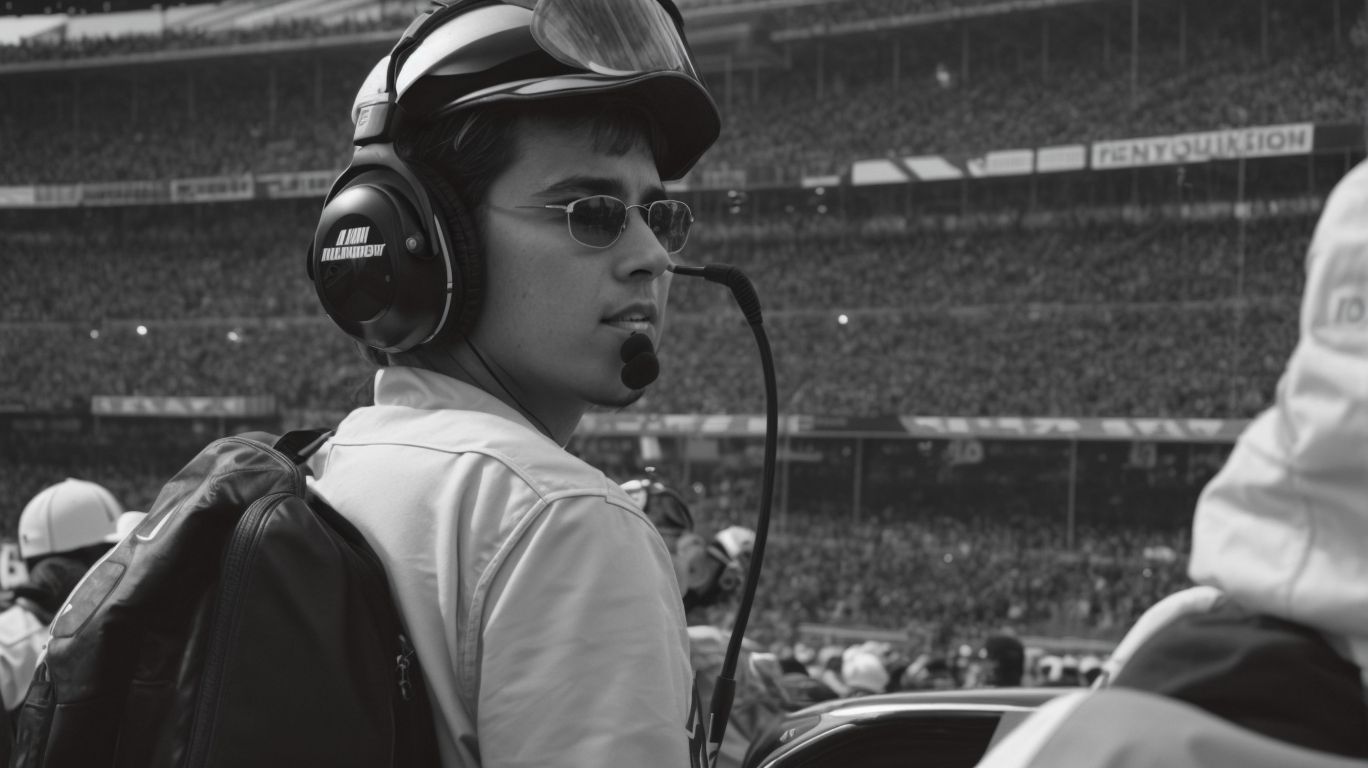
Do I Need Ear Protection at Nascar?
If you’re a fan of Nascar, then you already know the thrill of watching the races up close.
Consider the potential impact on your hearing. We explore why ear protection is crucial at Nascar events, the different types of protection available, the risks of not wearing it, and how you can safeguard your ears while still enjoying the excitement of the race.
Let’s dive in and learn more about protecting your hearing at Nascar.
Key Takeaways:
What is Nascar?
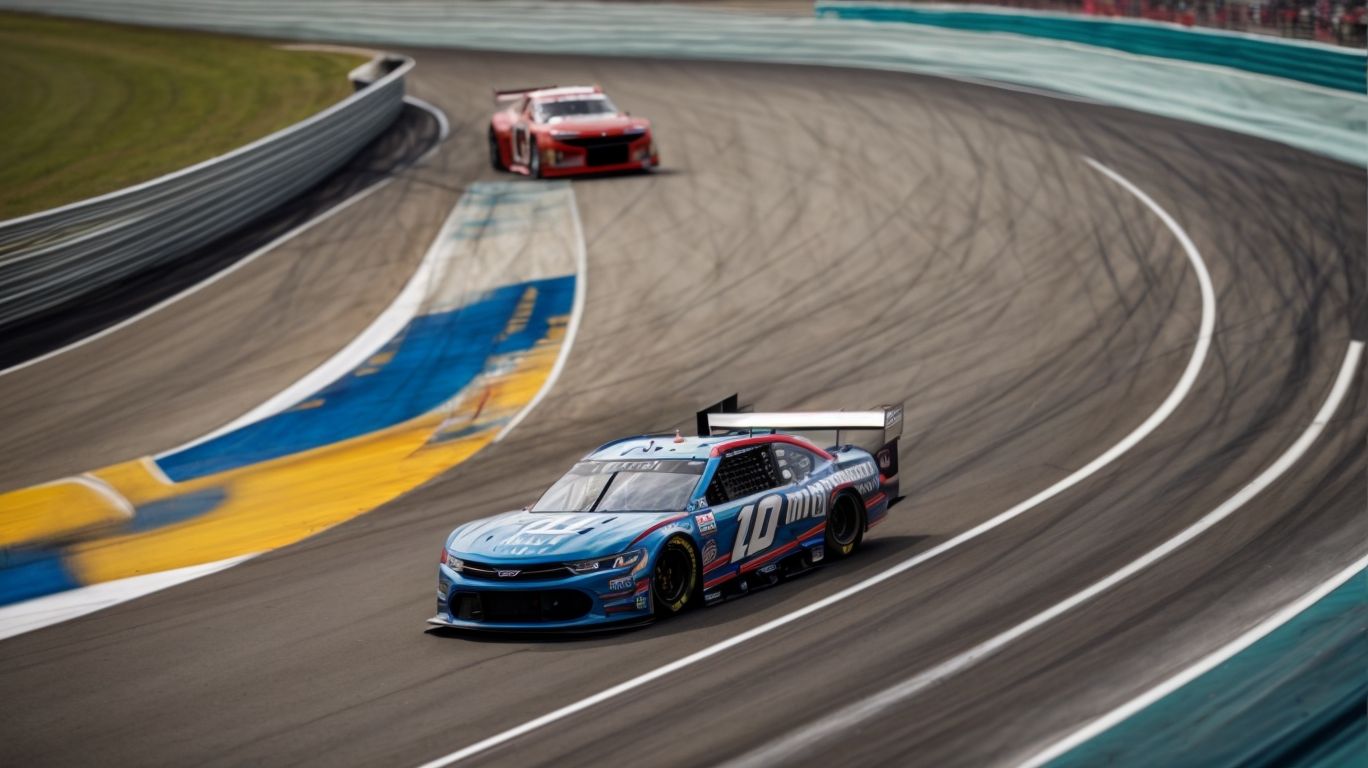
NASCAR, the National Association for Stock Car Auto Racing, is a motorsport governing body that organizes and sanctions stock car races.
NASCAR has a rich and fascinating history that dates back to its inception in 1948 by Bill France Sr. It has since grown into one of the most popular racing circuits in the world, attracting millions of fans and drivers alike. The organization plays a crucial role in the racing industry by setting regulations and standards for stock car competitions, ensuring fair play and safety.
Types of races organized by NASCAR include the popular Cup Series, Xfinity Series, and Truck Series, each offering unique challenges and excitement for drivers. These races take place on various tracks, from short ovals to superspeedways, showcasing the diversity and technical prowess of stock car racing.
Why is Ear Protection Important at Nascar?
Ear protection is crucial at NASCAR events due to the high noise levels generated by the roaring engines of stock cars, which can reach deafening decibels and pose a risk to the hearing of spectators and participants.
Being exposed to prolonged loud noises without protection can lead to irreversible hearing damage, impacting the overall experience of attending races. Earplugs are a simple yet effective solution that can significantly reduce the sound intensity reaching the ears, allowing fans to enjoy the thrilling atmosphere of a race without compromising their auditory health.
What Types of Ear Protection are Available?
Various types of ear protection are available for NASCAR events, including earplugs, earmuffs, and custom-fit earplugs, each offering different levels of comfort and sound attenuation.
Earplugs are the most common and versatile option for NASCAR fans, providing a snug fit to block out loud engine noises while still allowing some ambient sounds to filter through, enhancing the overall experience. They are compact, easy to carry, and disposable, making them convenient for one-time use.
Earmuffs, on the other hand, offer superior noise reduction and can be more comfortable for extended wear. They cover the entire ear and provide a physical barrier against loud noises, ideal for individuals sensitive to high decibel levels.
Custom-fit earplugs are personalized to the individual’s ear shape, offering the highest level of comfort and noise isolation. They are reusable, durable, and can be tailored to fit snugly, ensuring maximum protection without sacrificing comfort.
Earplugs
Earplugs are a popular choice for ear protection at NASCAR races, as they help reduce the impact of high decibel levels and minimize the risk of hearing damage among spectators and attendees.
By wearing earplugs, individuals can enjoy the thrilling sound of roaring engines and screeching tires without compromising their hearing health. The use of earplugs ensures that the noise exposure is within safe limits, preventing potential long-term hearing issues. Earplugs can help race enthusiasts focus better on the race, eliminating distractions caused by excessive noise. This enhanced concentration can lead to a more immersive and enjoyable experience at the NASCAR event.
Earmuffs
Earmuffs provide a comfortable and effective way to block out the loud noise of NASCAR races, offering superior sound attenuation and protection for the ears of spectators and participants.
One of the key advantages of earmuffs is their exceptional comfort level, allowing individuals to wear them for extended periods without discomfort. Their ergonomic design ensures a snug fit without causing pressure points or fatigue.
Earmuffs excel in their noise-blocking capabilities, effectively reducing the intensity of high-decibel sounds commonly encountered at NASCAR events. By creating a physical barrier around the ear, earmuffs prevent harmful noise from reaching the delicate auditory mechanisms.
In terms of overall effectiveness, earmuffs are renowned for their ability to significantly reduce sound levels, thereby minimizing the risk of hearing damage and ensuring a safer and more enjoyable experience for all attendees.
Custom-fit Earplugs
Custom-fit earplugs are tailored to individual ear shapes, providing a personalized and comfortable fit for optimal noise reduction and protection against the loud sounds of NASCAR races.
With custom-fit earplugs, NASCAR attendees can enjoy a bespoke solution that molds perfectly to their unique ear anatomy, ensuring a snug and secure seal that effectively blocks out excessive noise levels.
By eliminating overexposure to loud engine roars and crowd cheers, these earplugs not only enhance comfort during the event but also contribute to long-term hearing health.
How Loud is Nascar?
NASCAR races can produce extremely high decibel levels, often exceeding safe thresholds and posing a significant risk to the hearing health of spectators and individuals in close proximity to the roaring engines.
The thunderous sound of these stock car engines can reach ear-splitting levels, surpassing 130 decibels, which is equivalent to standing near a jet engine during takeoff. The intense noise generated by multiple cars racing in close quarters creates a cacophony that reverberates throughout the race track, making ear protection essential for both fans and pit crew members.
What is the Decibel Level at Nascar?
The decibel levels at NASCAR events can range from 100 to 140 decibels, exceeding safe limits for human hearing, which underscores the critical need for effective ear protection to mitigate the potential risks of noise-induced hearing loss.
Exposure to such high decibel levels for extended periods can result in irreversible damage to the delicate structures of the inner ear. Continuous exposure to noise levels above 85 decibels can lead to hearing loss over time, making it imperative for both spectators and race personnel to prioritize hearing protection.
Earplugs or earmuffs specifically designed for noise reduction are essential tools in safeguarding one’s hearing health during NASCAR events. By reducing the intensity of sound reaching the ear, these protective measures help lower the risk of long-term damage and ensure a safer auditory environment for all attendees.
What are the Risks of Not Wearing Ear Protection at Nascar?
Not wearing ear protection at NASCAR events can lead to severe consequences, including permanent hearing damage, tinnitus, and noise-induced hearing loss due to prolonged exposure to loud engine noise.
Exposing your ears to the intense decibels produced by roaring race cars can cause irreversible harm to the delicate mechanisms of the inner ear. The constant loud noise can damage the hair cells responsible for converting sound vibrations into electrical signals, leading to a myriad of issues ranging from temporary hearing loss to permanent auditory impairment.
The insidious nature of tinnitus can surface as a constant ringing or buzzing in the ears, disrupting concentration, sleep patterns, and overall quality of life. The cumulative effects of noise exposure at NASCAR races can have long-lasting consequences, impacting not only your ability to enjoy future events but also your daily experience of sound and communication.
Hearing Damage
Hearing damage is a serious risk for individuals exposed to the loud noise of NASCAR races without adequate protection, as the high decibel levels can cause irreversible harm to the delicate structures of the inner ear.
Exposure to the thunderous roar of engines revving and cars speeding by at NASCAR events can lead to various forms of hearing damage. The mechanisms of injury involve the intense noise levels overwhelming the sensory cells in the inner ear, ultimately causing damage or destruction. Symptoms of hearing damage from such exposure may include ringing in the ears (tinnitus), muffled hearing, or difficulty understanding speech.
Protective measures such as wearing earplugs or earmuffs can significantly reduce the risk of hearing damage during these events. Long-term consequences of untreated hearing damage can lead to permanent hearing loss, impacting overall quality of life and communication abilities.
Tinnitus
Tinnitus, a persistent ringing or buzzing in the ears, is a common outcome of prolonged exposure to the deafening noise levels of NASCAR events without proper ear protection, highlighting the importance of safeguarding hearing health.
When individuals attend NASCAR races or similar high-decibel events, their ears are bombarded with sound waves at levels that can exceed 100 decibels, far surpassing the safe limit for prolonged exposure. This continuous assault on the delicate structures of the inner ear can lead to not only tinnitus but also potential hearing loss. Symptoms of tinnitus may vary from mild annoyance to severe disruption of sleep, concentration, and mental well-being, affecting one’s overall quality of life.
Preventive measures such as wearing high-quality ear protection like earmuffs or earplugs during races can significantly reduce the risk of developing tinnitus. By shielding the ears from the excessive noise, individuals can enjoy the thrilling atmosphere of NASCAR events without compromising their hearing health.
Noise-induced Hearing Loss
Noise-induced hearing loss is a significant concern for NASCAR enthusiasts due to the intense sound levels experienced during races, underscoring the critical need for effective protective measures to prevent long-term damage.
The high decibel levels generated by roaring engines and screeching tires at NASCAR events can reach up to 140 decibels, well above the safe range for human ears. Hearing loss occurring due to prolonged exposure to such loud noises is often irreversible and can have profound implications on one’s quality of life.
Implementing protective strategies like wearing earplugs or earmuffs is crucial for reducing the risk of noise-induced hearing loss. These measures help attenuate the impact of intense sound waves on the delicate structures of the inner ear, safeguarding against potential damage.
What are the Signs of Hearing Damage?
Recognizing the signs of hearing damage is crucial for NASCAR attendees, as symptoms such as ringing in the ears, muffled hearing, and difficulty understanding speech can indicate potential harm from exposure to loud race noise.
Additional signs that individuals might experience after exposure to high noise levels at NASCAR races include hyperacusis, a heightened sensitivity to everyday sounds, ear pain or discomfort, and a sense of fullness or pressure in the ears.
Over time, prolonged exposure to loud noise can lead to permanent hearing loss or exacerbate existing hearing conditions. It’s crucial for race enthusiasts to wear proper hearing protection like earmuffs or earplugs to minimize the risk of hearing damage during these events.
How Can I Protect My Ears at Nascar?
Protecting your ears at NASCAR involves wearing appropriate ear protection, limiting exposure time to high decibel levels, sitting further away from the track, and utilizing noise-cancelling headphones for enhanced sound isolation.
When attending NASCAR races, it is crucial to understand that prolonged exposure to the thunderous roars of the engines can lead to irreversible hearing damage. Ear protection should not be underestimated in such environments, as the noise levels can exceed 130 decibels, which is well above the safe limit for human ears.
To effectively manage exposure, consider taking breaks in quieter areas or stepping farther back from the track during the races. Strategically choosing your seating location can make a significant difference in minimizing the impact of the noise. Sitting further away from the start/finish line can help reduce the intensity of sound waves reaching your ears.
In recent years, advancements in technology have brought about noise-cancelling headphones that offer a sophisticated solution to combat loud environments. These headphones use built-in microphones to analyze ambient noise and produce anti-noise signals, effectively canceling out harmful sounds while still allowing you to enjoy the thrilling race experience.
Wear Ear Protection
Wearing ear protection, such as earplugs or earmuffs, is essential for maintaining hearing safety and minimizing the risks associated with the intense noise levels of NASCAR races.
At NASCAR events, the roaring engines, screeching tires, and thunderous applause create an auditory assault that can reach 130 decibels or more, exceeding safe limits.
By using earplugs or earmuffs, racegoers shield their ears from these dangerous noise levels, reducing the likelihood of permanent hearing damage.
Ear protection devices are simple yet highly effective tools that offer a crucial barrier between the ears and harmful sound waves.
Without proper protection, the continued exposure to such high decibels can lead to irreversible hearing loss, tinnitus, and other auditory issues.
Limit Exposure Time
Limiting exposure time to high decibel levels at NASCAR races is key to preventing hearing damage and ensuring optimal ear health, underscoring the significance of breaks and rest periods during prolonged events.
Managing decibel exposure at these races involves planning ahead and utilizing effective strategies to safeguard your hearing. One vital approach is to schedule regular breaks away from the noise, allowing your ears to rest and recover.
Ear protection should be a top priority, with options like earplugs or earmuffs offering valuable defense against the loud environment. It’s essential to be proactive in protecting your ears, as prolonged exposure to excessive noise levels can lead to irreversible hearing loss. By implementing these measures, racegoers can enjoy the adrenaline of NASCAR events while safeguarding their hearing health.
Sit Further Away from the Track
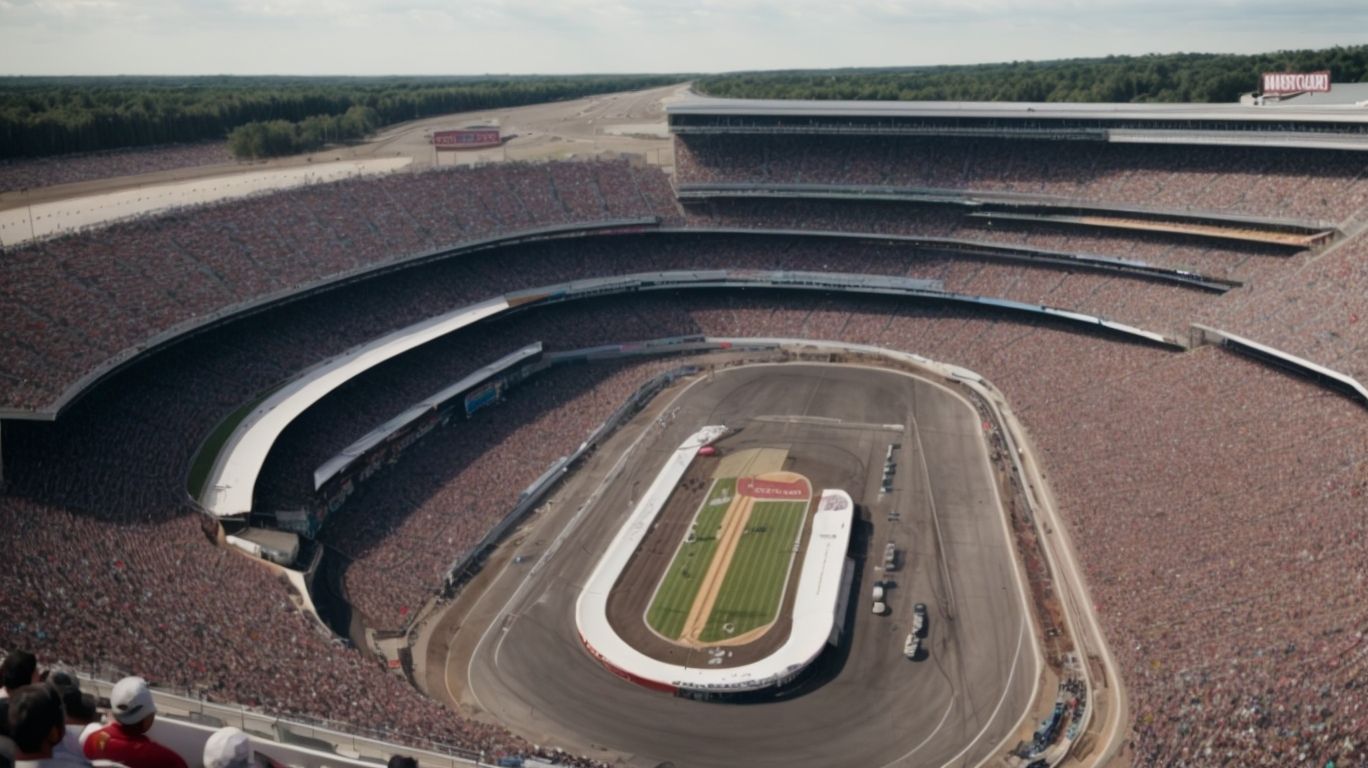
Choosing seating locations further away from the track can reduce the intensity of noise exposure at NASCAR events, providing a buffer zone that lowers the risk of excessive decibel levels affecting hearing health.
Seating arrangements positioned at a distance from the racing action offer spectators the advantage of enjoying the thrill of the event while maintaining a safe acoustic environment. When viewers opt for seats farther away, they experience an immersive racing atmosphere without the overwhelming noise levels closer to the track. This strategic seating choice not only enhances the overall spectator experience but also safeguards against potential hearing damage caused by prolonged exposure to high decibels.
Use Noise-cancelling Headphones
Noise-cancelling headphones offer advanced sound isolation capabilities that can enhance the auditory experience at NASCAR races by reducing ambient noise levels and protecting hearing without compromising audio clarity.
These headphones utilize innovative technology to detect and neutralize external sounds, allowing the wearer to focus solely on the race sounds and commentary. By creating a barrier between the ear and surrounding noise, noise-cancelling headphones transform the chaotic roar of engines and crowd noise into a more enjoyable, immersive racing experience. This not only ensures better concentration and engagement but also reduces listener fatigue and discomfort throughout a long event.
Frequently Asked Questions
Do I Need Ear Protection at Nascar?
Yes, it is highly recommended to wear ear protection at Nascar events. These races can reach extremely loud noise levels that can cause hearing damage.
What types of ear protection should I use at Nascar?
There are various types of ear protection that can be used at Nascar, such as foam earplugs, noise-canceling headphones, and earmuffs. It is important to choose a type that is comfortable for you and effectively blocks out noise.
Why is ear protection necessary at Nascar?
Nascar races involve high-speed cars that produce loud engine noise, which can reach up to 140 decibels. Prolonged exposure to this level of noise can lead to permanent hearing damage.
Can I bring my own ear protection to Nascar events?
Yes, you are allowed to bring your own ear protection to Nascar events. In fact, it is recommended to bring your own to ensure you have a comfortable and effective pair.
What should I do if I forget to bring ear protection to a Nascar race?
If you forget to bring ear protection, you can purchase them at the event. Most Nascar tracks have booths or merchandise stands that sell earplugs or headphones specifically designed for noise reduction.
Are children required to wear ear protection at Nascar events?
Yes, it is recommended for children to wear ear protection at Nascar events as well. Their delicate ears are more susceptible to damage from loud noises and it is important to protect their hearing at a young age.