Are Nascar Drivers Athletes?
NASCAR drivers are often seen as some of the most skilled and talented athletes in the world.
Explore what it takes to be a successful NASCAR driver, from the physical demands of the sport to the mental challenges they face on the track.
Discover the qualifications, training, and strategies that NASCAR drivers use to excel in their high-speed, high-pressure profession.
Join us as we dive into the world of NASCAR and question whether these drivers truly deserve the title of athletes.
Key Takeaways:
What is NASCAR?
NASCAR, which stands for National Association for Stock Car Auto Racing, is a popular motorsport that involves high-speed races featuring stock cars on oval tracks.
Founded in 1948 by Bill France Sr., NASCAR has grown to become one of the most-watched racing series globally.
Known for its passionate fan base and thrilling races, NASCAR events offer a unique blend of speed, strategy, and endurance.
The races take place on various iconic tracks like Daytona International Speedway and Talladega Superspeedway, where drivers compete in fierce battles for the checkered flag.
What Qualifications Do NASCAR Drivers Need?
NASCAR drivers are elite athletes who require a unique set of skills and qualifications to compete at the professional level in this demanding sport.
Physical fitness is paramount for NASCAR drivers as they endure high G-forces, intense heat, and long races, requiring exceptional endurance and strength. Their racing skills, honed through years of experience and practice, are crucial in navigating the track at high speeds, making split-second decisions, and executing precise maneuvers. Mental focus is a key attribute, as drivers need to stay sharp throughout the race, maintain concentration, and remain calm under pressure. Teamwork abilities are essential for drivers to communicate effectively with their crew, strategize pit stops, and make quick adjustments to improve performance on the track.
What Are the Physical Demands of Being a NASCAR Driver?
Being a NASCAR driver requires exceptional physical conditioning and endurance due to the intense nature of high-speed races that demand peak performance from start to finish.
NASCAR drivers face extreme physical demands throughout a race, enduring high G-forces as they navigate turns at breakneck speeds. Muscular strength is crucial for handling the powerful cars and maintaining control in tight racing conditions. Endurance becomes paramount as races can last for hundreds of miles under grueling conditions. Reflexes must be razor-sharp to react swiftly to changing track conditions and maneuver around competitors. The physical toll is immense, with drivers experiencing rapid heart rates, extreme heat inside the car, and intense concentration for hours on end.
What Are the Similarities Between NASCAR Drivers and Other Athletes?
NASCAR drivers share commonalities with other elite athletes in terms of their physical commitment, dedication to training, and the competitive spirit required to excel in their respective sports.
While the training routines of NASCAR drivers may differ from those of athletes in mainstream sports, the underlying principles remain the same. Just like athletes in other disciplines, NASCAR drivers follow rigorous fitness regimens to enhance their strength, endurance, and agility. They focus on exercises that not only improve their physical condition but also sharpen their reflexes, a crucial element in the high-speed world of racing.
The mental fortitude and competitive mindset that propel NASCAR drivers to victory mirror the unwavering drive seen in athletes across various sports. Both groups possess a relentless desire to succeed, constantly pushing themselves to new limits and striving for excellence.
What Are the Differences Between NASCAR Drivers and Other Athletes?
While NASCAR drivers are undoubtedly professional athletes, their sport presents unique challenges and skill sets that differentiate them from athletes in traditional ball sports or track and field events.
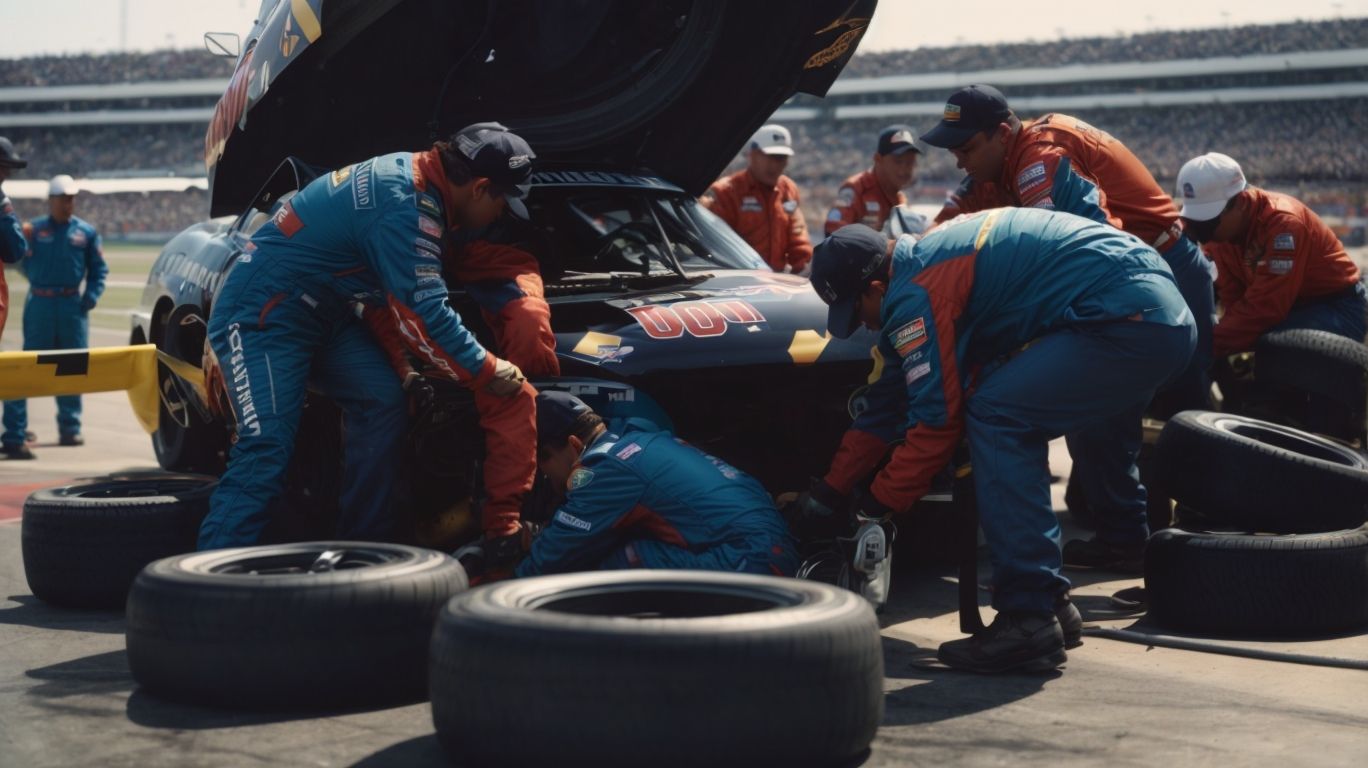
Unlike in many conventional sports, where the athlete’s body is the primary instrument of performance, NASCAR drivers rely on finely tuned machines to navigate oval tracks at breakneck speeds. The mental acuity needed to make split-second decisions, the physical endurance to withstand high G-forces for extended periods, and the strategic prowess to anticipate opponents’ moves all come into play in the thrilling world of auto racing. The teamwork between drivers and pit crews adds another layer of complexity to the sport, where split-second pit stops can make the difference between victory and defeat.
What Training Do NASCAR Drivers Undergo?
NASCAR drivers undergo rigorous training regimens that include specialized workouts, practice sessions, and physical conditioning programs to enhance their performance on the track.
-
Workout routines for NASCAR drivers often involve a combination of strength training exercises such as weightlifting and cardio workouts like cycling or running to build endurance and stamina.
-
Simulator practice plays a crucial role in sharpening their racing skills by allowing them to familiarize themselves with different tracks and race scenarios.
-
Along with on-track practice, pit stop drills are also a vital part of their training routine, as seamless and efficient pit stops can make a significant difference in race outcomes. Drivers work closely with their crews to perfect these maneuvers and ensure quick pit stops during races.
What Are the Mental Demands of Being a NASCAR Driver?
The mental demands of being a NASCAR driver are immense, requiring exceptional focus, quick reflexes, strategic decision-making, and the ability to maintain composure under high-pressure racing conditions.
One of the key cognitive challenges for NASCAR drivers is the necessity for split-second decision-making on the track, where a single misjudgment can have significant consequences. It’s not just about driving fast; it’s about making the right choices in milliseconds.
The marathon-like nature of NASCAR races adds another layer of complexity, testing a driver’s endurance both physically and mentally. Staying focused for hours on end, lap after lap, demands a unique mental fortitude that only the most resilient individuals possess.
How Do NASCAR Drivers Prepare for Races?
NASCAR drivers employ meticulous preparation strategies before races, focusing on track analysis, car setup, pit stop planning, and mental readiness to optimize their performance on race day.
Before hitting the track, drivers engage in thorough reconnaissance, familiarizing themselves with every curve and straightaway to anticipate challenges and adapt their driving style accordingly. They work closely with their crew chief to fine-tune the car setup, tweaking variables such as suspension, tire pressure, and aerodynamics to ensure peak performance.
Communication between the driver and the crew chief is crucial, with drivers providing feedback on the car’s handling during practice runs and receiving guidance on adjustments to make. Mental preparation techniques like visualization and focus exercises help drivers maintain composure and sharp reflexes in the high-pressure race environment.
What Strategies Do NASCAR Drivers Use During Races?
During races, NASCAR drivers employ various strategic maneuvers such as drafting, pit stop timing, tire management, and team communication to gain a competitive edge and navigate the challenges on the track.
One key strategy in NASCAR racing is drafting, where drivers strategically position their cars to take advantage of reduced air resistance by following closely behind another car and slipstreaming for increased speed and fuel efficiency.
Pit stop coordination is crucial, with teams meticulously planning when to pit for fresh tires, fuel, and adjustments to maintain optimal performance throughout the race.
Fuel conservation tactics are essential in races, requiring drivers to manage their fuel consumption efficiently to avoid running out before reaching the finish line.
Teamwork dynamics play a significant role as well, as drivers work closely with their crew members and spotters to make split-second decisions that can determine the outcome of the race.
What Injuries Do NASCAR Drivers Face?
NASCAR drivers face a range of injuries and physical challenges due to the high-speed nature of the sport, with common risks including concussions, fractures, whiplash, and muscle strains.
These drivers are constantly pushing the limits of speed and performance, which makes them susceptible to a variety of serious injuries. While safety measures have significantly improved over the years, the impact of crashes and collisions remains a major concern. The forces involved in NASCAR accidents can subject drivers to immense physical stress, leading to not just external injuries, but also internal trauma.
The adrenaline-fueled environment of NASCAR racing intensifies the risks, as split-second decisions can determine the outcome of a race or even the safety of the drivers. Despite rigorous training and equipment designed to protect them, drivers must always be prepared for the unexpected dangers that come with competing at such high velocities.
How Do NASCAR Drivers Maintain Their Fitness?
NASCAR drivers maintain their fitness through a combination of gym workouts, cardio exercises, strength training, flexibility routines, and specialized programs designed to enhance their overall physical condition and performance on the track.
These drivers typically follow rigorous gym protocols that focus on developing core strength, improving endurance, and enhancing reaction times. Prioritizing cardiovascular health, they often engage in high-intensity interval training (HIIT) and long-distance running to boost their stamina on race day. Proper nutrition plays a crucial role in their overall fitness regime, with an emphasis on consuming lean proteins, complex carbohydrates, and ample hydration to fuel their demanding training schedules.
What Are the Benefits of Being a NASCAR Driver?
Being a NASCAR driver offers numerous benefits, including the opportunity to compete at professional athletic events, lucrative compensation from sponsorships and prize money, fame, and the thrill of racing at top speeds.
One of the most enticing aspects of a career in NASCAR driving is the financial incentives it brings. With the potential for substantial earnings through sponsorships, endorsements, and winning prize money, drivers can achieve a comfortable lifestyle while doing what they love. The global recognition that comes with being a NASCAR driver opens up doors to various opportunities beyond the racetrack.
The adrenaline rush of competing in major events like the Daytona 500 or the Brickyard 400 is unparalleled. The sheer excitement of pushing limits, maneuvering through tight turns, and jostling for position on the track keeps drivers at the edge of their seats, both figuratively and literally.
What Are the Criticisms Against NASCAR Drivers as Athletes?
NASCAR drivers face criticisms regarding their athletic status due to the unique nature of auto racing as a sport, with skeptics questioning the physical demands, skill requirements, and competitive intensity compared to mainstream sports.
Dismissing NASCAR drivers as non-athletes fails to acknowledge the immense physical and mental strength needed to excel in this high-speed, high-stakes environment.
The misconceptions around auto racing often stem from the misconception that driving a car is merely a matter of sitting behind the wheel and turning left. In reality, NASCAR drivers must possess lightning-fast reflexes, precise hand-eye coordination, and endure extreme G-forces while maneuvering heavy, powerful vehicles at speeds exceeding 200 miles per hour.
Conclusion: Are NASCAR Drivers Athletes?
The debate over whether NASCAR drivers qualify as athletes centers on the unique blend of physical and mental skills required for success in this challenging sport, highlighting the athleticism, endurance, and competitive spirit exhibited by NASCAR professionals.
From the grueling physical demands of driving at high speeds in extreme conditions to the split-second decision-making abilities needed to navigate crowded tracks and outmaneuver opponents, NASCAR drivers epitomize the athletic prowess and mental acuity often associated with traditional sports.
Their rigorous training regimens, including cardio workouts, strength training, and intense simulations, mirror those of athletes in more mainstream sports, underscoring their commitment to peak performance and continuous improvement.
Frequently Asked Questions
Is Nascar driving considered a sport?
Yes, Nascar driving is considered a sport and therefore, Nascar drivers are considered athletes.
What makes Nascar drivers athletes?
Nascar drivers undergo intense physical and mental training to maintain their endurance, strength, and focus during races.
Do Nascar drivers have to be physically fit to compete?
Yes, Nascar drivers must maintain a high level of physical fitness to withstand the G-forces and long hours of driving during races.
Can anyone become a Nascar driver?
While anyone can attempt to become a Nascar driver, it requires a high level of skill, dedication, and physical and mental abilities to succeed in the sport.
Are Nascar drivers considered professional athletes?
Yes, Nascar drivers are considered professional athletes and are subject to the same rigorous training, competition, and endorsement deals as other professional athletes in traditional sports.
What sets Nascar drivers apart from other athletes?
Nascar drivers must possess a unique combination of physical skills, mental agility, and strategic thinking to excel in their sport, making them stand out from other traditional athletes.