What Oil Does Nascar Use?
Have you ever wondered what kind of oil is used in Nascar racing cars?
We will explore the importance of oil in Nascar, the different types used, and its crucial role in engine performance, fuel economy, and longevity.
We will also discuss the risks of using the wrong type and how oil is monitored and maintained in the high-speed world of Nascar racing.
Buckle up and dive into the world of Nascar oil!
Key Takeaways:
What is the Importance of Oil in Nascar?
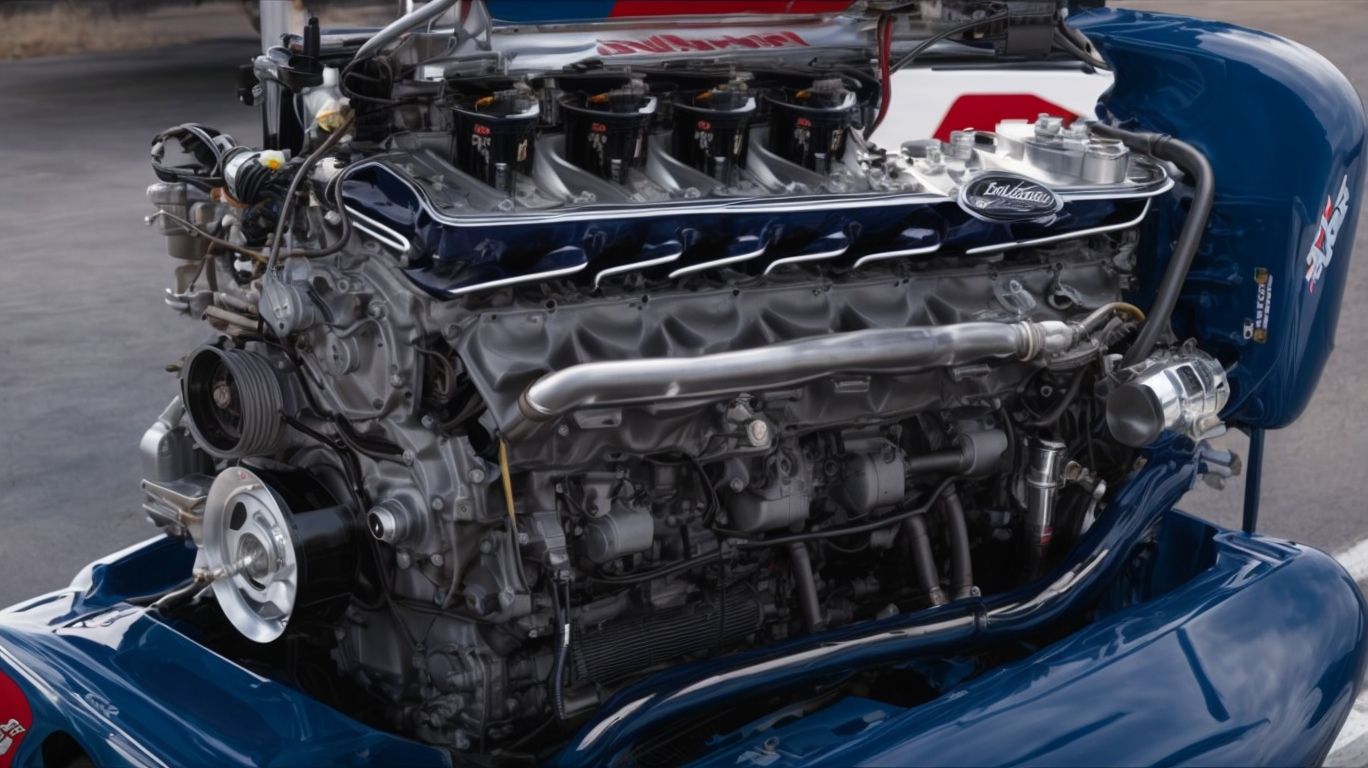
Oil plays a crucial role in NASCAR races, influencing engine performance, durability, and overall racing efficiency. The choice of oil can make a significant impact on the outcome of races and the lifespan of high-performance engines.
High-quality racing oil is designed to withstand extreme conditions, such as high temperatures and intense speeds, providing optimal lubrication to engine components. The viscosity and additives in the oil are carefully formulated to enhance engine efficiency and reduce friction, leading to better horsepower and torque delivery on the track. The right oil can help prevent engine wear and breakdowns during races, ensuring that the vehicle performs at its peak throughout the demanding NASCAR season.
What Oil Does Nascar Use?
NASCAR relies on premium oils like Mobil 1 and Pennzoil, known for their high-quality synthetic blends, to power the engines of racing cars. These specialized oils are designed to withstand extreme temperatures and provide optimal performance on the track.
Along with Mobil 1 and Pennzoil, there are other synthetic oil brands that are also widely used in NASCAR for their top-notch qualities. These oils offer superior lubrication and protection to the high-performance engines, ensuring smooth operation even under strenuous racing conditions. The benefits of synthetic oils include reduced friction, excellent heat dissipation, and enhanced engine cleanliness, all crucial for maintaining peak performance throughout a race.
High Performance Synthetic Oils
High-performance synthetic oils like Mobil 1, developed by ExxonMobil, are a staple in NASCAR racing due to their advanced technology and ability to enhance engine performance. These oils offer superior lubrication and temperature stability for racing cars.
The use of such high-quality synthetic oils is crucial in NASCAR racing as these oils are specifically designed to withstand the extreme conditions experienced by racing engines. Mobil 1, with its innovative formula, provides exceptional protection against wear and heat, ensuring consistent performance throughout the race. The advanced technology incorporated into these oils helps minimize friction, reduce engine stress, and enhance overall efficiency on the track.
Specialized Racing Oils
Specialized racing oils used in NASCAR and Formula 1 are meticulously formulated to meet the demands of high-performance engines and extreme racing conditions. These oils have specific viscosity levels optimized for racing cars to ensure peak engine efficiency.
One of the key characteristics of these racing oils is their ability to withstand high temperatures without compromising lubrication, crucial for racing cars that operate at peak performance thresholds. The specialized formulation helps prevent metal-to-metal contact in the engine components, reducing friction and wear. The high-performance additives contained in these oils provide enhanced protection against corrosion and oxidation. This results in improved engine longevity and overall performance on the track.
Oil Brands Used in Nascar
Oil brands like Pennzoil are synonymous with excellence in NASCAR, providing top-tier synthetic oils that have powered numerous championship-winning teams. The partnerships between oil manufacturers and racing teams have been instrumental in achieving racing success.
These partnerships go beyond mere sponsorship deals; they involve the development and testing of specialized oils specifically designed to meet the demanding requirements of high-performance racing engines. Through years of collaboration and technical innovation, oil brands like Pennzoil have been able to tailor their synthetic oil formulations to optimize engine performance, enhance durability, and deliver maximum power output on the track.
As a result, these specialized synthetic oils have played a crucial role in helping NASCAR teams secure victories in prestigious races and clinch coveted championships. The combination of cutting-edge lubrication technology and strategic partnerships has elevated the performance standards in NASCAR, making oil brands like Pennzoil critical allies for racing success.
How is Oil Used in Nascar Racing?
In NASCAR racing, oil is utilized for engine lubrication, temperature regulation, and viscosity control to ensure optimal performance and durability on the track. The precise application of oil in various engine components is vital for maintaining racing cars’ efficiency.
Engine lubrication is one of the primary functions of oil in NASCAR. The oil forms a protective layer between moving parts, reducing friction and wear, which is crucial in high-speed, high-stress racing conditions. Oil helps in managing temperatures by carrying heat away from critical engine components, such as pistons and bearings, preventing overheating.
Controlling viscosity is another critical role of oil in NASCAR engines. The right viscosity ensures proper flow and lubrication in all operating conditions, vital for engine performance. Too thin or too thick oil can lead to inefficiencies and potential engine damage.
Engine Lubrication
Engine lubrication in NASCAR involves the strategic application of high-performance oils to minimize friction, reduce wear and tear, and optimize engine efficiency. Cutting-edge lubricant technology plays a vital role in enhancing racing car performance.
Using specialized oils designed for high-performance racing engines allows teams to achieve optimal engine lubrication in various racing conditions, ensuring smooth operation and maximum power output. The intense demands of NASCAR racing require precision in every aspect, and the choice of lubricants is no exception.
These specialized oils are formulated to withstand extreme temperatures and pressures, providing a protective barrier that reduces friction between moving parts, preventing overheating and engine breakdowns. By maintaining proper lubrication, teams can prolong engine life and optimize overall performance on the track.
Cooling System
The cooling system in NASCAR relies on specialized oils to manage engine temperatures and prevent overheating during high-speed races. Maintaining optimal oil temperature is crucial for sustaining performance and horsepower output on the track.
These specialized oils play a pivotal role in ensuring that the engine runs smoothly and efficiently under extreme conditions. Oil not only lubricates the engine components but also absorbs heat, carrying it away from critical areas to maintain the desired temperature levels. Without proper oil circulation and cooling, the engine’s internal components could quickly reach dangerous heat levels, leading to performance degradation or even catastrophic failures. This underscores the importance of continuous monitoring and maintenance of oil levels and quality to guarantee peak performance in NASCAR vehicles.
Power Steering
Power steering systems in NASCAR cars rely on specialized oils to ensure smooth operation, precise control, and responsiveness during high-speed maneuvers. The viscosity of the oil used significantly impacts the steering system’s performance and efficiency.
Viscosity, a measurement of a fluid’s resistance to flow, plays a crucial role in the functionality of power steering systems in NASCAR vehicles. The viscosity of the oil dictates how easily it moves through the system, affecting the speed and accuracy of the steering response. Optimal viscosity ensures that the fluid can smoothly transmit power to enhance driver control and handling. NASCAR technicians carefully select oils with the ideal viscosity to match the requirements of the demanding racing environment.
What are the Benefits of Using High Performance Oils in Nascar?
The utilization of high-performance oils in NASCAR offers advantages such as improved engine performance, enhanced horsepower output, and superior overall efficiency on the track.
Synthetic oils, in particular, play a crucial role in ensuring racing cars operate at peak levels of performance. Their advanced formulation minimizes friction within the engine components, leading to smoother operation and reduced wear and tear. This not only boosts horsepower output but also enhances fuel efficiency, allowing for optimized power delivery throughout the race. Synthetic oils have superior temperature stability, ensuring consistent performance even under extreme racing conditions.
Improved Engine Performance
Using high-performance oils in NASCAR results in enhanced engine performance, increased horsepower output, and optimized fuel combustion. The technological advancements in these oils play a pivotal role in elevating racing car efficiency and speed.
These oils are specially formulated with advanced additives and synthetic blends that reduce friction between engine components, allowing for smoother operation and improved power delivery. Oil viscosity is finely tuned to provide optimal lubrication even under extreme racing conditions, ensuring engine durability and longevity. The enhanced thermal stability of these high-performance oils enables engines to operate at higher temperatures without compromising performance, contributing to consistent power output throughout races.
Better Fuel Economy
High-performance oils like those from ExxonMobil contribute to better fuel economy in NASCAR by reducing friction, improving engine efficiency, and enhancing overall performance. The synthetic blends used offer superior lubrication and efficiency gains on the racetrack.
By minimizing friction within the engine components, synthetic oils create a smoother operation, ensuring that the power generated is effectively utilized to propel the race car forward with minimal energy loss. This reduction in internal friction leads to less heat build-up, providing a more stable environment for optimal engine performance.
In addition, ExxonMobil’s high-quality oils help protect crucial engine parts under high speeds and intense conditions, ensuring longevity and reliability throughout the demanding NASCAR races. The precise formulation of these oils optimizes lubrication, preventing wear and tear, and maintaining consistent performance levels for the entire duration of the race.
Longer Engine Life
The use of high-performance oils like those from Pennzoil extends the engine life of NASCAR racing cars by providing superior protection, reducing wear and tear, and enhancing overall durability. These oils play a critical role in ensuring the longevity and reliability of high-performance engines.
One of the key reasons why high-performance oils, especially top-quality products such as those offered by Pennzoil, are favored in NASCAR racing is due to their ability to withstand extreme conditions. The demanding nature of NASCAR races puts immense stress on engines, making premium oils essential to maintain optimal performance.
Consequently, these oils are formulated to resist high temperatures, shearing forces, and friction, effectively reducing the risk of engine failure and ensuring consistent performance.
What are the Risks of Using the Wrong Type of Oil in Nascar?
Using the wrong type of oil in NASCAR can lead to serious risks such as engine failure, reduced performance, and safety hazards on the track. The choice of oil is a critical factor in ensuring the reliability and efficiency of racing cars during high-speed competitions.
Engine failure is one of the most severe consequences that can result from using improper oil in a NASCAR vehicle. The engine components, designed to function with specific oil properties, can suffer considerable damage if the wrong type is used, leading to costly repairs and potential race disqualification. The performance of the car can be significantly impacted, affecting acceleration, speed, and overall handling on the racetrack. Safety hazards increase when the engine is not properly lubricated, posing risks not only to the driver but also to other competitors on the track.
Engine Failure
Incorrect oil selection in NASCAR can result in catastrophic engine failure due to inadequate lubrication, overheating, or poor viscosity management. The technological specifications of the oil used are crucial in preventing engine breakdowns during races.
Inadequate lubrication due to incorrect oil selection can lead to increased friction and heat generation within NASCAR engines, accelerating wear and tear. This can result in irreversible damage to critical engine components, compromising performance on the track. Poor viscosity management can further exacerbate these issues, affecting the oil’s ability to properly coat and protect engine parts.
Advanced oil technology plays a vital role in enhancing engine durability and performance in NASCAR. Innovative additives and synthetic blends ensure optimal lubrication, temperature regulation, and friction reduction, ultimately prolonging engine life and reducing the risk of costly breakdowns. By leveraging cutting-edge oil formulations, teams can gain a competitive edge by maximizing engine efficiency and reliability on race day.
Reduced Performance
Choosing the wrong oil for NASCAR cars can lead to diminished engine performance, lower horsepower output, and compromised efficiency on the racetrack. Optimal oil selection is essential for maintaining peak performance and competitiveness in high-speed races.
In terms of NASCAR racing, every little detail counts, oil included. The viscosity, additives, and overall quality of the oil directly impact the engine’s ability to function at its best. Using the correct oil not only ensures proper lubrication but also helps in reducing friction and heat within the engine components, contributing to enhanced overall performance. In a sport where every horsepower matters, making a well-informed choice on oil type can make or break a driver’s chances of victory. The right oil is like a secret weapon, silently enableing the car to push boundaries and excel on the track.
Safety Hazards
The incorrect application of oil in NASCAR cars can create safety hazards on the track, such as engine malfunctions, overheating, and potential accidents. Maintaining proper oil temperature and viscosity is essential for ensuring driver safety and race integrity.
When oil is not applied correctly in NASCAR vehicles, it can lead to a domino effect of issues that compromise not only the performance of the car but also the safety of the driver and others on the track. If the oil temperature and viscosity are not kept within the optimal range, the engine components may not receive proper lubrication, increasing the risk of mechanical failures, which can result in serious accidents. In high-intensity races, the engine operates at extreme conditions, making it crucial to monitor the oil levels and quality to prevent catastrophic failures.
How is Oil Monitored and Maintained in Nascar?
In NASCAR, oil is meticulously monitored and maintained through regular oil changes, comprehensive analysis, and continuous temperature and pressure monitoring. These practices ensure that the oils used in racing cars remain at optimal levels for peak performance.
Regular oil changes are crucial in NASCAR to prevent oil degradation and maintain engine efficiency. Both synthetic and conventional oils are utilized, with each type requiring specific change intervals depending on the race duration and vehicle specifications. The analysis of oil samples involves detailed laboratory testing to assess viscosity, contaminants, and overall health of the lubricant.
Temperature and pressure monitoring systems are integrated into the vehicles to provide real-time data to the pit crews. This data allows for immediate interventions if any irregularities are detected, ensuring that the oil operates within the recommended parameters for optimal engine protection and performance.
Regular Oil Changes
Regular oil changes are a fundamental aspect of NASCAR maintenance, ensuring that engines receive fresh lubricant for optimal performance and longevity. The integration of advanced lubricant technology further enhances the effectiveness of oil changes in racing cars.
Oil changes play a crucial role in NASCAR vehicles, as the engine’s components heavily rely on proper lubrication to function smoothly under extreme conditions on the track. Continuous oil circulation is vital to prevent overheating and excessive wear, which can significantly impact a car’s performance during a race.
In the fast-paced world of NASCAR, where milliseconds can determine victory or defeat, the use of cutting-edge lubricants has become a game-changer. Modern lubricant formulations are designed to withstand high temperatures and pressures, providing enhanced protection to engine parts and improving overall efficiency.
Oil Analysis
Comprehensive oil analysis in NASCAR involves evaluating oil samples to assess performance, wear patterns, and lubrication efficiency. This analytical process aids in identifying potential issues and optimizing oil viscosity for peak engine operation.
By meticulously analyzing oil samples, NASCAR teams can gain valuable insights into the health and performance of their engines. This data enables them to detect early signs of component wear or contamination that could lead to catastrophic failures.
Understanding the performance metrics derived from oil analysis allows teams to make informed decisions regarding oil change intervals and selecting the most suitable lubricants for their high-performance engines.
Optimizing oil viscosity based on analysis results is crucial for ensuring optimal engine lubrication under the extreme conditions of NASCAR races, where engines are pushed to their limits.
Temperature and Pressure Monitoring
Monitoring oil temperature and pressure in NASCAR is critical for maintaining optimal engine function and preventing performance issues. Precise control of these parameters ensures that the oils used in racing cars deliver consistent performance under varying racing conditions.
Oil temperature and pressure play a crucial role in NASCAR, where engines are pushed to their limits. Oil temperature affects the viscosity of the oil, determining its flow and ability to lubricate engine components properly. High temperatures can lead to oil breakdown and engine wear. On the other hand, oil pressure is vital for ensuring that oil reaches all necessary engine parts efficiently. Maintaining optimal levels of temperature and pressure helps enhance engine longevity and performance, regardless of the track conditions drivers face.
Frequently Asked Questions
What Oil Does Nascar Use?
Nascar uses a specific type of motor oil known as Pennzoil Platinum® Full Synthetic Motor Oil.
Why does Nascar use Pennzoil Platinum® Full Synthetic Motor Oil?
Nascar chose Pennzoil Platinum® because it provides superior protection for high-performance engines under extreme racing conditions.
Is there a specific grade or viscosity of oil that Nascar uses?
Yes, Nascar requires teams to use SAE 5W-20 viscosity oil, which is a specific grade of oil that is ideal for high-performance engines.
Does Nascar have any partnerships with oil companies?
Yes, Nascar has a long-standing partnership with Pennzoil and their parent company, Shell, which supplies the official motor oil for all Nascar teams.
Is Pennzoil Platinum® Full Synthetic Motor Oil available for consumer use?
Yes, Pennzoil Platinum® is available for purchase and can be used in any vehicle that requires SAE 5W-20 viscosity oil.
What sets Pennzoil Platinum® apart from other motor oils on the market?
Pennzoil Platinum® is a fully synthetic motor oil that is formulated with PurePlus Technology, which converts natural gas into a high-quality, pure base oil. This results in better performance and protection for your engine.