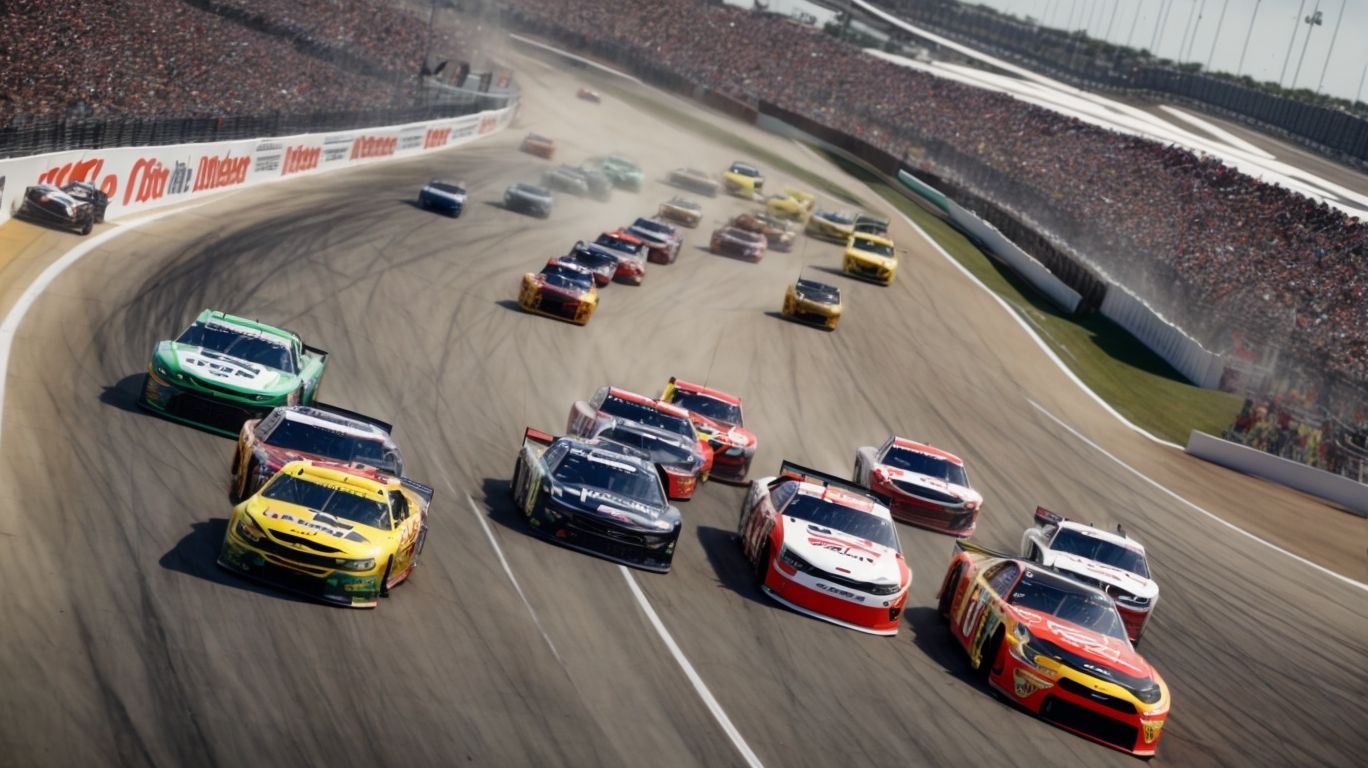
Which Nascar Track is Called the Paperclip?
Nascar fans know that each track on the racing circuit has its own unique characteristics and challenges.
What sets the Paperclip Track apart from the rest? From its distinctive shape and size to the thrilling racing style it offers, this track has become a favorite among drivers and spectators alike.
Explore the history, features, and records of the Paperclip Track, and discover why it has earned a special place in the hearts of Nascar enthusiasts.
Key Takeaways:
What is Nascar?
NASCAR, the National Association for Stock Car Auto Racing, is a premier motorsport organization known for its thrilling races and dedicated fan base.
Established in 1948, NASCAR has a rich history rooted in American racing culture. Initially formed by Bill France Sr., the organization gained popularity for its unique racing format using modified stock cars.
Over the years, NASCAR has expanded its influence globally, hosting races in various countries. The sport has seen legendary drivers such as Richard Petty, Dale Earnhardt, and Jeff Gordon who have shaped its legacy.
Iconic events like the Daytona 500 and the Southern 500 have become staples in the racing world, attracting thousands of spectators annually.
What is the Paperclip Track?
The Paperclip Track, located at Martinsville Speedway in Ridgeway, Virginia, is a famous oval track with a unique design that resembles a paperclip.
Martinsville Speedway, founded by H. Clay Earles in 1947, has a rich history in the world of NASCAR. Known for its tight turns and short straightaways, the track’s distinctive oval shape adds to the challenge that drivers face on this historic course. The speedway’s small size, measuring just over half a mile in length, creates intense racing action, making it a favorite among fans and drivers alike. Martinsville Speedway has hosted numerous iconic races in NASCAR history, solidifying its place as a cornerstone of the sport.
How Did the Paperclip Track Get its Name?
The Paperclip Track at Martinsville Speedway earned its name due to its unique resemblance to a paperclip, a nod to the founder H. Clay Earles’ creative vision in track design.
Earles, a visionary in the world of motorsports, wanted to create a track that would stand out amidst the traditional oval designs of the era. The Paperclip Track, with its tight turns and long straightaways, was a testament to Earles’ ingenuity and passion for innovation. The track’s distinctive shape not only provided an exciting challenge for drivers but also offered spectators an unparalleled viewing experience, allowing them to witness every thrilling moment up close. This unique layout became a signature feature of Martinsville Speedway, setting it apart from other tracks on the NASCAR circuit.
Where is the Paperclip Track Located?
The Paperclip Track is located at Martinsville Speedway in Ridgeway, Virginia, making it a prominent racing venue in the heart of the United States.
This iconic track, known for its distinct paperclip shape, has a rich history dating back to its opening in 1947. Nestled in the picturesque foothills of the Blue Ridge Mountains, Martinsville Speedway offers a unique setting for fans and drivers alike. Its short track configuration, measuring just over half a mile, provides an intense racing experience that demands skill and strategy. The track’s tight turns and long straightaways create thrilling moments for spectators and challenges for competitors.
What Makes the Paperclip Track Unique?
The Paperclip Track at Martinsville Speedway stands out for its distinctive oval shape, rich history in NASCAR, and the thrilling races it hosts.
Known as the smallest track in NASCAR’s premier series, Martinsville’s Paperclip Track measures just .526 miles in length, making it a fan-favorite due to its tight turns and short straightaways, leading to intense and high-speed racing.
Originally built in 1947 by H. Clay Earles, this iconic track has seen legendary drivers like Richard Petty and Dale Earnhardt battle it out on its challenging turns. Its unique configuration with flat turns and minimal banking adds a strategic element to racing, testing the skills of even the most seasoned drivers.
The historic significance of Martinsville Speedway’s Paperclip Track extends beyond its physical layout, as it has been a staple venue in NASCAR since its early days, hosting memorable events that have left a lasting impact on the sport.
Shape and Size
The Paperclip Track’s oval shape and compact size contribute to the intense racing experience it offers to NASCAR drivers and fans, setting it apart from traditional tracks.
Measuring just over half a mile in length, the Paperclip Track’s distinctive characteristics present a challenge that demands precise handling and strategy from drivers. The tight turns and short straights create a unique rhythm that tests the limits of both man and machine as they navigate the track at breakneck speeds. This unconventional layout often leads to close-quarters racing and frequent bumping and rubbing between cars, thrilling spectators with heart-pounding action.
Surface and Banking
The surface of the Paperclip Track combines asphalt and concrete, while the 12° banking in the turns challenges drivers with varying racing lines and strategies.
Asphalt, known for its smoothness and grip, offers drivers better traction, especially during high-speed cornering, enhancing overall acceleration and maneuverability. On the other hand, concrete sections are more abrasive, putting a premium on tire wear and management. This mix of surfaces creates a dynamic racing environment where drivers must carefully balance aggression and strategy.
The 12° banking on the turns plays a crucial role in shaping the nature of competition. Higher banking angles allow drivers to maintain higher speeds through the corners, promoting side-by-side racing and close battles for position. This forces drivers to adapt, as the optimal racing line may vary based on other cars’ positioning and speed. Such race dynamics are what make the Paperclip Track a favorite among drivers and fans alike.
Racing Style
The Paperclip Track’s unique design fosters close-quarters racing, intense battles for position, and memorable moments in NASCAR Cup Series and other NASCAR events.
Located in Martinsville, Virginia, this 0.526-mile oval track, resembling a paperclip shape, presents numerous challenges for drivers. The tight turns demand precise maneuvering, while the short straightaways leave little room for error. NASCAR drivers often find themselves in constant battles for position, as every inch gained or lost can be crucial. The competitive nature of races at the Paperclip Track adds an element of unpredictability and excitement for fans. With the stands packed, the roar of engines, and the smell of rubber on asphalt, the atmosphere at this historic track is truly electrifying.
What Races are Held at the Paperclip Track?
The Paperclip Track at Martinsville Speedway hosts a wide range of prestigious races, including the NASCAR Cup Series events like the Xfinity 500, NASCAR Camping World Truck Series races, Whelen Modified Tour, late model races, and the Virginia Triple Crown.
One of the marquee events at Martinsville Speedway is the Xfinity 500, a thrilling NASCAR Cup Series race that attracts top drivers and huge crowds. The NASCAR Camping World Truck Series races are another highlight, featuring intense competition and close finishes. The track showcases the excitement of the Whelen Modified Tour, known for its modified stock cars that provide edge-of-your-seat action.
The late model races at Martinsville Speedway offer a glimpse into grassroots racing, where up-and-coming drivers hone their skills before making it to higher levels of competition. The Virginia Triple Crown, consisting of three prestigious late model races, is a coveted title that drivers strive to win, showcasing their talent and determination on the track.
Nascar Cup Series
The NASCAR Cup Series events at Martinsville Speedway have witnessed legendary drivers like Richard Petty creating iconic moments, thrilling fans with intense racing action.
Known as one of the oldest and most prestigious races in NASCAR history, Martinsville Speedway has hosted thrilling events since its inception in 1949. Richard Petty, also known as ‘The King’ of NASCAR, left an indelible mark at Martinsville with his record 15 victories at the track. These victories not only solidified his legendary status but also endeared him to fans across generations.
The tight turns and short track layout of Martinsville have led to countless nail-biting moments and fierce battles on the track. The annual races at Martinsville have become synonymous with the grit and determination required to conquer the challenging track, making it a fan-favorite stop on the NASCAR circuit.
Nascar Xfinity Series
The Nascar Xfinity Series events at Martinsville Speedway offer fans thrilling racing experiences, attracting a diverse audience to witness the excitement in a venue known for its impressive seating capacity.
Located in Virginia, Martinsville Speedway boasts a seating capacity of over 50,000, providing spectators with unparalleled views of the high-octane action on the track. The tight turns and short straightaways at this historic track create intense battles among drivers, making each race a test of skill and strategy.
The significance of these events extends beyond the on-track action, as they serve as a gathering point for passionate racing enthusiasts from all walks of life, united by their love for speed and competition. The vibrant atmosphere at Martinsville Speedway during a Nascar Xfinity Series event is truly electrifying, with fans cheering on their favorite drivers and creating unforgettable memories.
Nascar Truck Series
The Nascar Truck Series, Whelen Modified Tour, and late model races at Martinsville Speedway showcase diverse racing talents, thrilling fans with intense competition and skillful driving.
Each race at Martinsville Speedway presents a unique challenge, testing the drivers’ abilities to navigate tight corners and short straightaways. Drivers in the Nascar Truck Series bring raw power and speed, while those in the Whelen Modified Tour showcase precision and agility. The late model races add a grassroots element, with up-and-coming drivers demonstrating their potential on the track.
At Martinsville Speedway, spectators witness a symphony of roaring engines and screeching tires as drivers push their vehicles to the limit. The atmosphere is charged with excitement, as drivers jostle for position and execute daring overtakes. The races at Martinsville Speedway epitomize the essence of competitive racing, providing a platform for both established veterans and rising stars to shine.
What are the Key Features of the Paperclip Track?
The key features of the Paperclip Track at Martinsville Speedway include well-designed pit roads, expansive grandstands, ample seating capacity, and various amenities that enhance the overall fan experience.
Martinsville Speedway, steeped in history and located in Ridgeway, Virginia, offers a unique viewing experience for NASCAR fans. The pit roads are strategically placed to ensure efficient team operations during races, contributing to the adrenaline-filled atmosphere. The grandstands provide excellent views of the action on the track, with comfortable seating options for spectators to enjoy the races. With a seating capacity exceeding 50,000, the Speedway can accommodate a large number of fans, creating an electrifying ambiance on race days. Spectators can enjoy various amenities such as food vendors, merchandise shops, and restroom facilities, further elevating their overall race day experience.”
Pit Road and Pit Boxes
The pit road and pit boxes at Martinsville Speedway play a crucial role in NASCAR races, offering teams strategic opportunities for pit stops and facilitating seamless race operations.
With its unique design, Martinsville Speedway boasts one of the shortest tracks on the NASCAR circuit, making pit strategy even more paramount for drivers and teams. The tight turns and narrow straightaways at Martinsville mean that pit stops can make or break a race, with each second saved or lost holding significant weight. Teams must carefully time their pit stops to gain positions, often strategizing around caution flags or laps led. The pit boxes at Martinsville are meticulously organized, providing teams with essential equipment, fuel, and tire changes to optimize their performance on the track.
Grandstands and Seating
The grandstands at Martinsville Speedway offer fans exceptional views of the racing action, with extensive seating capacity ensuring a memorable experience for spectators at every event.
With a seating capacity of over 50,000, fans have plenty of options to choose from, whether they prefer to be close to the start/finish line or higher up for a panoramic view of the entire track.
The grandstand facilities are strategically positioned to provide different vantage points, allowing spectators to witness thrilling moments like intense overtakes, pit stops, and the checkered flag celebrations.
From the Turn 1 stands, spectators can feel the adrenaline as cars navigate the tight corner, while those in the backstretch grandstands get a clear view of the high-speed straightaways.
The overall fan experience at Martinsville Speedway is enhanced by the welcoming atmosphere, delicious concessions, and opportunities to meet drivers, making it a must-visit destination for any racing enthusiast.
Infield and Camping
The infield and camping areas at Martinsville Speedway provide fans with additional amenities and a unique experience, combining the thrill of racing with comfortable accommodations for extended stays.
Within the infield, spectators can enjoy up-close views of the track, witness the intricate workings of the teams, and even get autographs from their favorite drivers. Concession stands serve up delicious treats, while designated areas feature live music and entertainment to keep the energy high throughout the weekend.
Camping areas offer a communal atmosphere where fans can socialize, share stories, and create lasting memories, all while being just a short walk away from the heart of the action. The convenience of having accommodations on-site allows for a full immersion into the world of NASCAR, making it a truly unforgettable experience.
What are the Records at the Paperclip Track?
Martinsville Speedway boasts impressive racing records, with drivers like Joey Logano, Ross Chastain, William Byron, and Ty Gibbs setting remarkable milestones at the legendary track.
Joey Logano has showcased his dominance at Martinsville, winning multiple Cup Series races with his exceptional skills on the short track.
Ross Chastain’s aggressive driving style has earned him recognition at Martinsville Speedway, where he has consistently contended for top positions.
William Byron’s precise execution and strategic maneuvers have led to memorable victories at Martinsville, solidifying his reputation as a formidable competitor on the historic oval.
Meanwhile, Ty Gibbs, with his impressive versatility and adaptability, has quickly made a name for himself at Martinsville Speedway, displaying a promising future in NASCAR.
Fastest Qualifying Speed
The fastest qualifying speed record at Martinsville Speedway in the NASCAR Cup Series showcases the incredible talent and precision of drivers competing on the challenging track.
Setting a new speed record at Martinsville Speedway is not merely about the top speed achieved; it also reflects the driver’s mastery of handling tight turns and short straights characteristic of this unique track. Achieving such high speeds demands a perfect blend of aggression and finesse, with drivers needing to push their cars to the limit without compromising control. The record serves as a testament to the exceptional skill and nerve of the driver, as every fraction of a second matters in qualifying rounds where precision is key.
Fastest Race Speed
The fastest race speed record at Martinsville Speedway, held by Terry Labonte, reflects the intense competition and high-speed action that defines NASCAR events at the iconic track.
Labonte’s incredible record of 82.713 mph set in 2001 truly showcases the skill and bravery required to navigate the tight turns and short straights of this historic oval.
The unique layout of Martinsville Speedway, known for its paperclip shape, adds an extra layer of challenge for drivers, demanding precision and strategic driving tactics.
Drivers like Labonte are revered for their ability to master the track and achieve remarkable speeds while battling opponents in close quarters, making every lap a heart-pounding spectacle for fans.
Most Wins by a Driver
Ted Christopher’s record for the most wins by a driver at Martinsville Speedway highlights the exceptional skill and dominance required to excel at the challenging track.
Securing this prestigious record in NASCAR, where competition is fierce and margins for victory are often razor-thin, further underlines the incredible talent and dedication Christopher possessed behind the wheel. Martinsville Speedway, known for its tight turns and short straightaways, demands precision driving and strategic maneuvering, making each win a testament to the driver’s ability to navigate the complexities of the track.
Frequently Asked Questions
What is the Nascar track known as the Paperclip?
The Nascar track known as the Paperclip is the Martinsville Speedway located in Martinsville, Virginia.
Why is Martinsville Speedway called the Paperclip?
Martinsville Speedway is called the Paperclip due to its unique shape, which resembles a paperclip with two long straightaways and two tight turns.
When was the Paperclip track first used for Nascar races?
The Paperclip track, or Martinsville Speedway, was first used for Nascar races in 1949.
What type of Nascar races are held at the Paperclip track?
The Paperclip track hosts both the Nascar Cup Series and the Nascar Truck Series races.
How long is the Paperclip track at Martinsville Speedway?
The Paperclip track at Martinsville Speedway is 0.526 miles long.
What is the seating capacity at the Paperclip track?
The seating capacity at the Paperclip track, or Martinsville Speedway, is approximately 55,000.