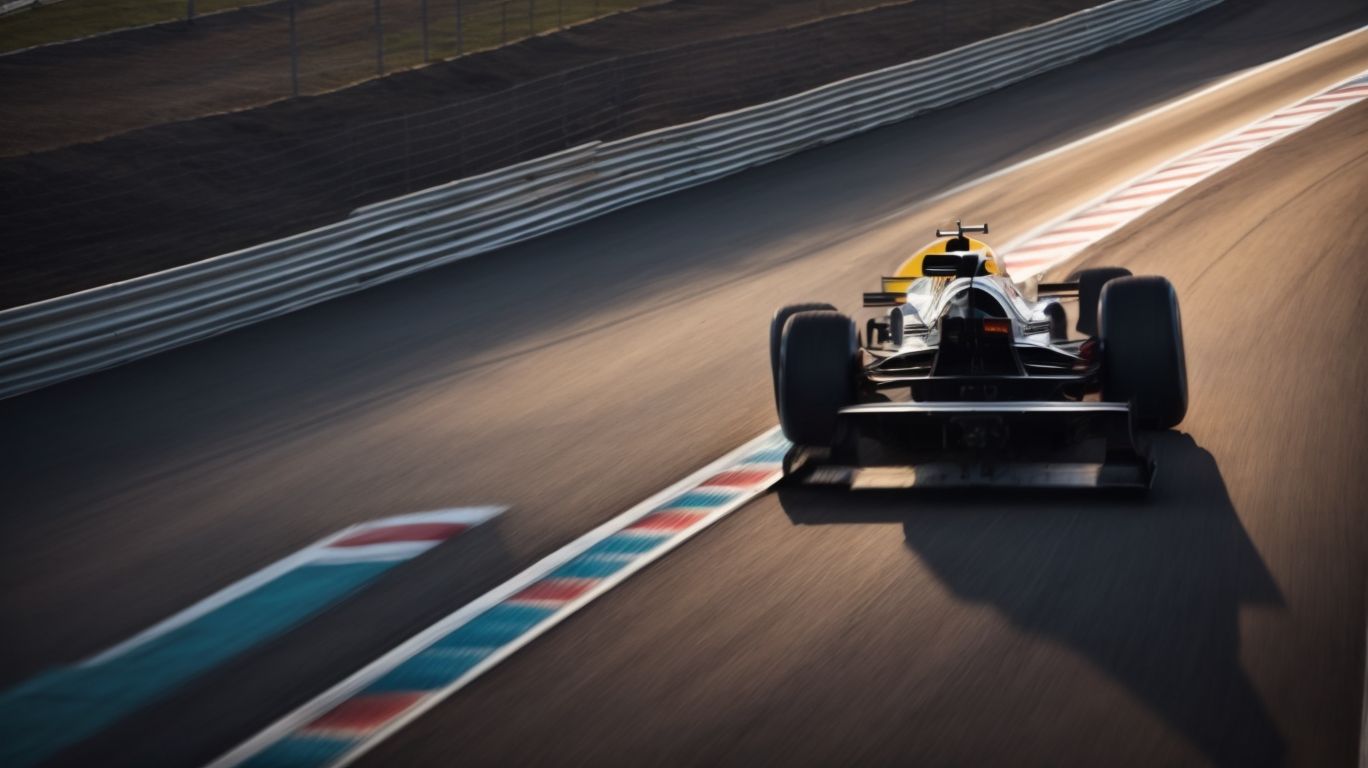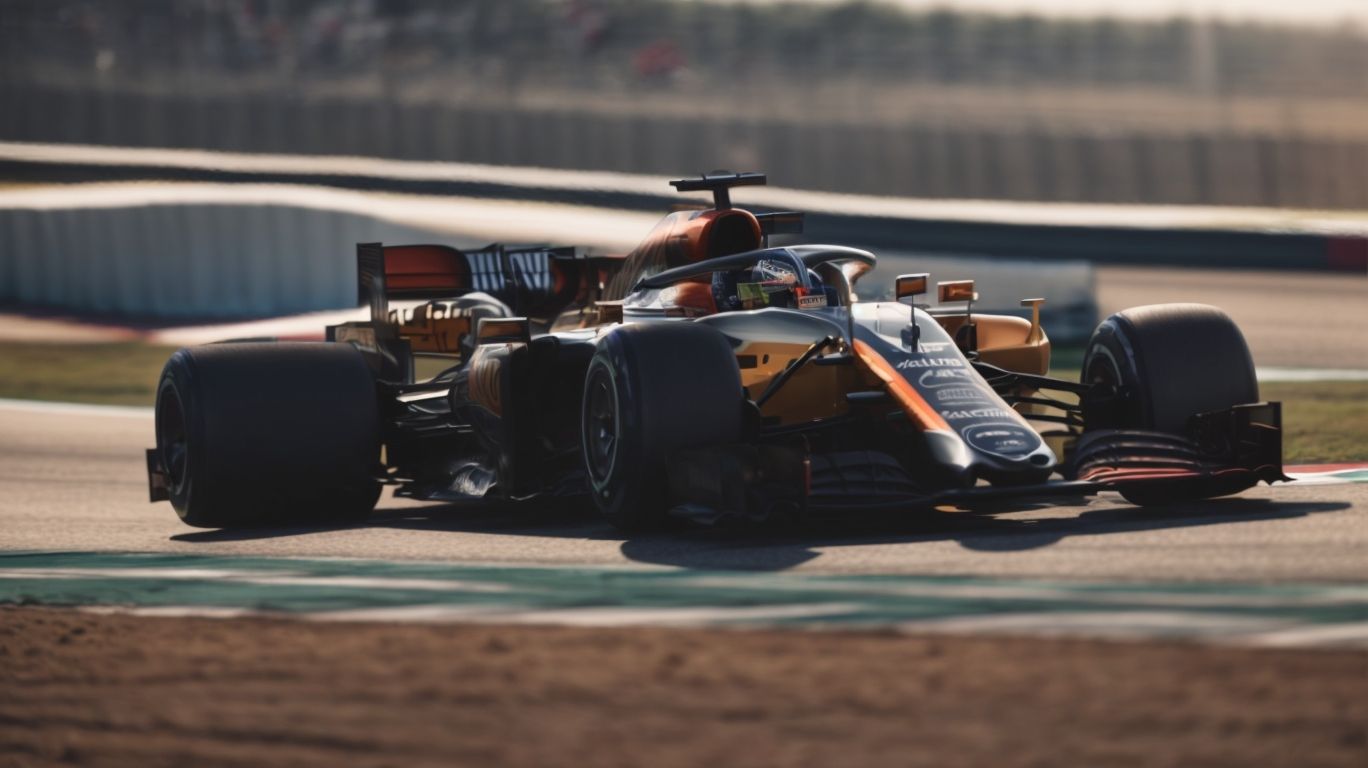

Can You Block in F1?
Have you ever wondered about the rules and regulations regarding blocking in Formula 1?
We will explore the different types of blocking in F1, including defensive, offensive, and strategic blocking.
We will also discuss why drivers block in F1, the consequences of blocking, and how officials determine if blocking has occurred.
Strategies for dealing with blocking, such as overtaking maneuvers, pit stop strategies, and team orders, will also be covered.
Can you block in F1? Let’s find out.
Key Takeaways:
What Is Blocking in F1?
Blocking in Formula 1 refers to the defensive maneuver where a driver deliberately impedes or hinders another driver’s overtaking attempt during a race.
Blocking plays a crucial role in the strategic battle on the track, as drivers utilize it to protect their racing position. Excessive or dangerous blocking can lead to controversy and even penalties being imposed by race stewards. It not only affects the immediate racing dynamics by creating intense wheel-to-wheel battles but also raises safety concerns, especially at high speeds where sudden maneuvers can have serious consequences.
-
Regulations in Formula 1 strictly govern blocking to maintain fair competition and ensure driver safety. Deliberate blocking, weaving across the track to defend position, is generally discouraged, with penalties enforced for unsporting behavior or jeopardizing another driver’s safety.
Is Blocking Allowed in F1?
Blocking is a contentious issue in Formula 1 with regulations governing the acceptable limits of defensive maneuvers by drivers.
One of the key rules set by the FIA is that a driver can make one defensive move to protect their position on a straight, but they cannot weave excessively to block a pursuing driver. This regulation aims to ensure fair racing and prevent dangerous situations on the track. The interpretation of what constitutes acceptable blocking can sometimes vary, leading to controversies. Past incidents involving high-profile drivers like Lewis Hamilton and Sebastian Vettel have sparked debates about the fine line between defensive driving and overly aggressive blocking.
What Are the Rules and Regulations Regarding Blocking in F1?
The FIA Sporting Regulations in Formula 1 explicitly outline the dos and don’ts of blocking to maintain fair competition and ensure driver safety.
One of the primary rules is that a driver is allowed to defend their position by changing their racing line once, but any subsequent changes in response to a pursuing driver are considered blocking.
Blocking maneuvers are defined as deliberate moves that impede the progress of another driver, breaching the regulations if they occur during the braking zone or force the chasing driver off the racing line. Drivers must also leave sufficient space for the pursuing car when defending to avoid penalties for dangerous maneuvers.
What Are the Different Types of Blocking in F1?
Blocking in Formula 1 can manifest in various forms, including defensive blocking, offensive blocking, and strategic blocking tactics employed by both defenders and attackers.
Defensive blocking is often seen when a driver tries to maintain their position by subtly moving their car to prevent an opponent from passing. On the other hand, offensive blocking involves more aggressive maneuvers to slow down or impede a driver behind. One classic example of strategic blocking is seen when a racer strategically positions their car to force an opponent to take a longer route, losing time in the process.
Defensive Blocking
Defensive blocking in Formula 1 involves a driver maintaining their racing line, defending the apex, and adhering to the regulations to protect their position from overtaking attempts.
When a driver executes defensive blocking, they strategically position their car within the racing line to make it harder for their competitors to pass. By focusing on defending the apex of corners, the driver forces their opponents to take a longer route if they attempt an overtake. These defensive maneuvers require a delicate balance between protecting one’s position and avoiding penalties for aggressive driving. Race stewards closely monitor such actions, ready to intervene if they observe any breaches of the rules regarding blocking tactics. Effective defensive blocking can be a game-changer in Formula 1 races, influencing the outcomes significantly.
Offensive Blocking
Offensive blocking in Formula 1 refers to a driver actively impeding a competitor by weaving on straights or pushing them towards track limits, sometimes resulting in collisions.
Such tactics are contentious as they can be seen as aggressive and dangerous maneuvers that may lead to severe consequences.
Weaving involves sudden and unpredictable movements, making it challenging for the trailing driver to anticipate the blocking driver’s actions.
Track limit enforcement plays a crucial role in discouraging such behavior, with penalties imposed for exceeding the boundaries designated by race officials.
Collisions resulting from offensive blocking incidents can not only ruin a driver’s race but also pose a significant safety risk to all competitors on the track.
Strategic Blocking
Strategic blocking in Formula 1 involves exploiting the gray areas of regulations, executing maneuvers in braking zones, and utilizing racecraft techniques like dive-bombing and switch-backs.
Within the intricacies of strategic blocking, drivers strategically position their cars to disrupt the airflow of their opponents, affecting their speed and grip. The braking zone becomes a crucial battleground, where the art of late braking can make all the difference, forcing the opponent into compromising lines.
The key to successful strategic blocking lies in knowing when to defend, when to attack, and how to mask your intentions until the opportune moment. Dive-bombing, a high-risk, high-reward tactic, involves darting into a corner at the last moment, often catching rivals off guard.
Why Do Drivers Block in F1?
Drivers in Formula 1 block for various reasons, such as defending their position, adhering to the racing line, and navigating within the boundaries set by regulations and race stewards.
Defending their position is crucial in Formula 1 as it not only helps in securing valuable championship points but also showcases a driver’s skill and determination. By strategically placing their car to make overtaking difficult for competitors, drivers can maintain their track position and create opportunities for themselves.
Adhering to the racing line is equally important, ensuring optimum speed and stability through corners, ultimately leading to faster lap times. Respecting regulations and the decisions of race stewards is vital to maintain fairness and safety on the track, promoting competitive yet controlled racing environment.
To Defend Their Position
Drivers in Formula 1 block to defend their position by strategically positioning their cars, anticipating attackers’ moves, and minimizing the risk of collisions at corners.
Regarding safeguarding their positions, drivers in Formula 1 employ various blocking techniques depending on the situation. This defensive strategy involves skillfully placing their car to make it challenging for the opponent to overtake without risking a collision. By anticipating the attacking driver’s moves, a driver can effectively block their advances and maintain their position on the track. Executing this defensive maneuver requires precision and awareness of the track layout.
Corner-specific blocking strategies are crucial in Formula 1 as each corner presents a unique challenge. Drivers must adapt their blocking techniques based on the characteristics of the corner, such as its radius, banking, and exit speed. By understanding how to position their car optimally for each corner, drivers can effectively defend their position without compromising their momentum.
To Help Their Teammate
Drivers in Formula 1 may block to assist their teammates, executing maneuvers to create opportunities or secure advantageous racing lines, following team orders to achieve strategic goals.
Team-driven strategies play a crucial role in the competitive world of Formula 1, with drivers often strategizing to improve their team’s overall performance. By effectively executing inside and outside line defenses, drivers not only shield their teammates from rival attacks but also establish a strategic advantage on the track. Skillful blocking can disrupt opponents’ tactics and allow a teammate to overtake successfully, influencing the race dynamics. Adherence to team orders ensures a unified approach towards a common objective, enhancing the team’s chances of achieving success in high-stakes competitions.
To Slow Down Their Competitors
Drivers in Formula 1 may resort to blocking to impede their competitors’ progress, forcing them off the racing line, creating potential racing incidents, or corner barricade situations.
Blocking in Formula 1 is a strategic maneuver to defend one’s position on the track by constantly changing the driving line to make it difficult for opponents to overtake. It can involve subtle movements to break the slipstream or more aggressive actions like sudden brake checks or weaving across the track. Skillful use of blocking can disrupt the momentum of a pursuing driver and put them at a disadvantage, especially in critical areas like braking zones or fast corners.
What Are the Consequences of Blocking in F1?
The consequences of blocking in Formula 1 can range from penalties and fines to potential loss of championship points and even disqualification from races, reflecting the severity of regulatory breaches.
When a driver is deemed to have breached the rules by blocking, the race stewards have the authority to mete out penalties that can greatly impact the driver and their team. These penalties are not merely symbolic gestures but have tangible effects on the team’s performance and standing in the championship.
Financial fines are often imposed alongside penalties, serving as a deterrent for future infractions. Championship point deductions can hinder a driver’s progress in the overall standings, affecting their chances of competing for the coveted championship title.
Penalties and Fines
Penalties and fines in Formula 1 are imposed on drivers who engage in blocking activities that breach the FIA regulations, resulting in financial sanctions or on-track penalties.
These consequences play a crucial role in maintaining fair competition and safety on the track, as blocking can lead to dangerous situations and hinder the flow of races. The FIA, as the governing body of Formula 1, is responsible for enforcing these penalties to uphold the integrity of the sport. Over the years, there have been notable incidents where blocking violations have resulted in severe penalties, altering race outcomes and sparking controversies among teams and fans. By sanctioning such offenses, the FIA aims to ensure that drivers adhere to the rules and respect each other’s racing space, promoting a level playing field for all competitors.
Loss of Championship Points
Drivers in Formula 1 risk losing championship points due to blocking infractions that impact race outcomes, affecting their standings and competitive positions based on the severity of the incidents.
This penalty holds significant consequences for drivers, as the championship points lost could be the difference between securing a top position in the overall standings or falling behind in the race for the title. Instances where blocking infractions occur often involve close battles on the track, where a driver prevents another from overtaking through aggressive or defensive maneuvers, infringing on fair racing principles. Such actions not only result in immediate penalties but also can lead to further consequences, such as accumulating penalty points on a driver’s license.
Disqualification
Drivers in Formula 1 face the risk of disqualification for severe blocking offenses that result in race incidents, wheel-to-wheel collisions, or compromising the safety of competitors on track.
Disqualification in Formula 1 is not just a mere penalty; it can have serious implications on a driver’s reputation, team standings, and even future career prospects. In recent seasons, several incidents have sparked debates over what constitutes fair defensive driving versus dangerous blocking maneuvers. These debates often center around high-stress moments when drivers are pushing their cars to the limit, leading to split-second decisions that can result in controversial outcomes.
Whether it’s a decision to aggressively defend a position or an attempt to overtake a rival, the margin for error in Formula 1 is razor-thin, and any misjudgment can lead to catastrophic outcomes. Wheel-to-wheel collisions, especially at high speeds, not only endanger the drivers involved but also pose a significant safety risk to others on the track. This constant battle between competitiveness and safety underscores the challenging nature of this elite motorsport.
How Do Officials Determine if Blocking Has Occurred in F1?
Officials in Formula 1 determine if blocking has occurred by assessing race situations, reviewing incidents, and considering the context of driving behaviors to make informed judgments.
When evaluating blocking incidents, race officials closely analyze the on-track dynamics to ascertain if a driver has impeded the progress of another competitor. This process involves examining video footage, telemetry data, and radio communications to gain a comprehensive understanding of the situation.
The stewards play a crucial role in this evaluation process, using their expertise and knowledge of race regulations to make fair and unbiased decisions. They consider factors such as track position, relative speeds, and the intentions of the drivers involved.
Incident reviews are conducted meticulously to ensure a thorough assessment of the events leading up to and following the alleged blocking incident. These reviews often involve multiple angles of footage, onboard camera recordings, and team radio transmissions, providing a comprehensive overview of the situation.
What Are the Strategies for Dealing with Blocking in F1?
Dealing with blocking in Formula 1 requires strategic approaches, such as executing effective overtaking maneuvers, leveraging pit stop strategies, and implementing team orders to navigate race challenges.
During races, drivers face the daunting task of overtaking opponents who are constantly on guard to defend their positions. To counter this, racers must assess the opponent’s driving style and weaknesses to exploit gaps effectively. The key lies in timing, skill, and mental agility. Pit stops play a crucial role in gaining track advantage, requiring split-second precision and coordination among the pit crew. Seamless teamwork between the driver and the engineering staff is vital, ensuring optimal car performance and quick decision-making on adjustments. Successful strategies involve a blend of skill, communication, and adaptability.
Overtaking Maneuvers
Overtaking maneuvers in Formula 1 involve defenders holding their ground and attackers seeking strategic advantages, capitalizing on straights and braking zones to execute successful passing moves.
Defenders in Formula 1 races often face the challenge of maintaining their position while attackers meticulously plan their moves to exploit every opportunity. The dynamics between defender and attacker are crucial in determining the success of an overtake. Strategic opportunities arise on long straights where slipstream and DRS (Drag Reduction System) play a significant role in aiding the attacker. Braking zones present a window for attackers to make daring moves under heavy braking, testing both skill and precision.
Pit Stop Strategies
Pit stop strategies in Formula 1 play a pivotal role in dealing with blocking scenarios, allowing teams to optimize racing lines, hit apexes efficiently, and comply with regulations to gain strategic advantages.
During a race, encountering blocking challenges can greatly hinder progress for drivers, affecting their overall performance. By strategically planning pit stops, teams can navigate around these obstacles efficiently to maintain their competitive edge.
Racing line optimizations are crucial as they determine the quickest and most efficient way around the track. Managing apexes effectively ensures that the car maintains speed and traction through corners, vital for achieving faster lap times. Adhering to strict regulatory guidelines ensures fair play and prevents penalties that could impede a team’s progress on the leaderboard.
Team Orders
Team orders in Formula 1 are utilized to counter blocking incidents, directing drivers to position themselves on outside lines, inside lines, or stay within track limits to outmaneuver competitors.
In the high-stakes world of Formula 1 racing, where split-second decisions can mean the difference between victory and defeat, team orders play a crucial role in ensuring strategic positioning and maximizing team performance. By instructing drivers to take the optimal racing line – whether it’s hugging the inside curves to defend against overtakes or pushing wide to set up a decisive pass – teams can effectively navigate the complexities of race dynamics.
By enforcing strict adherence to track limits, teams can avoid penalties and maintain a competitive edge. This is where team directives come into play, guiding drivers on when to push the limits and when to exercise caution to avoid potential pitfalls.
Frequently Asked Questions
Can You Block in F1?
Yes, blocking is a common defensive tactic used in Formula 1 racing.
Why do drivers block in F1?
Drivers may block to prevent another driver from overtaking them and maintain their position on the track.
Is blocking allowed in F1?
Yes, blocking is allowed in F1 as long as it is not deemed dangerous or erratic by race officials.
Can a driver be penalized for blocking in F1?
Yes, a driver can receive a penalty for blocking if it is considered dangerous or unsportsmanlike behavior.
What is the difference between blocking and defensive driving in F1?
Blocking involves making sudden and deliberate moves to prevent an opponent from passing, while defensive driving is a strategy to protect one’s position without making erratic moves.
Are there any rules or restrictions on blocking in F1?
While blocking is allowed, drivers must also adhere to other rules and regulations such as not weaving excessively or causing collisions while defending their position on the track.