How Many F1 Fans Are There?
Formula One racing has a rich history and a dedicated fan base around the world.
We explore the origins of F1, key moments in its history, and its current popularity.
We delve into estimations and statistics on the number of F1 fans, comparing it to other sports and examining the demographics of its followers.
We discuss the reasons why people are drawn to F1, and the future of the sport and its fan base in an ever-evolving landscape.
Key Takeaways:
What is Formula One Racing?
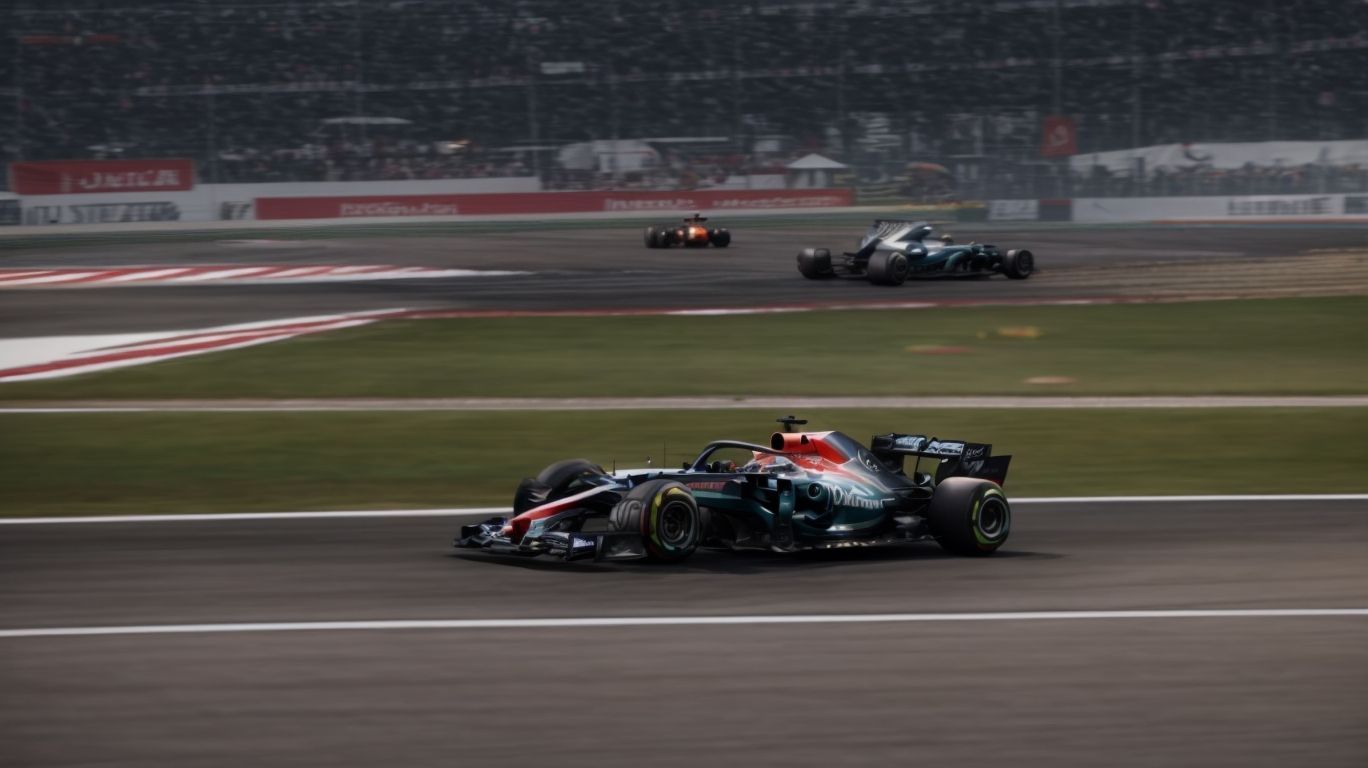
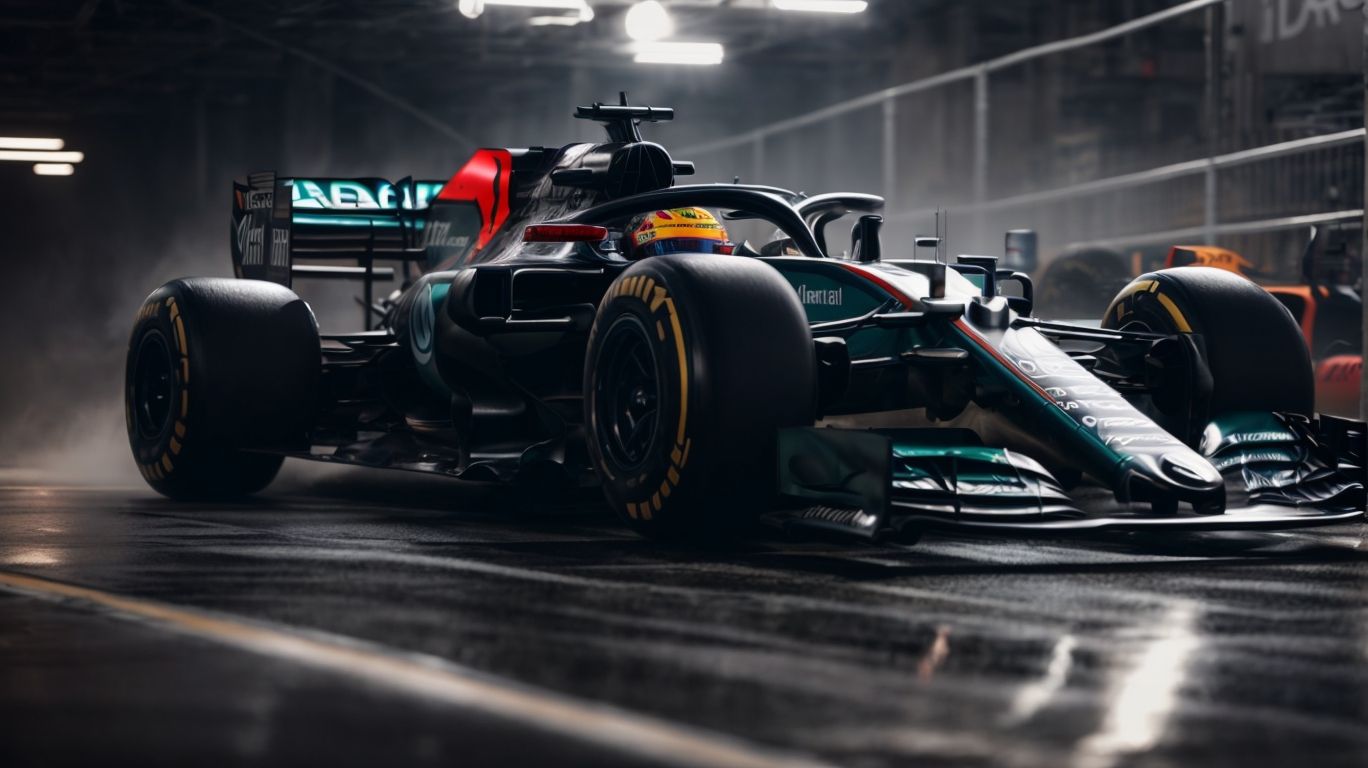
Formula One Racing, commonly known as F1, is a premier international auto racing sport involving the world’s top racing teams and drivers competing in highly specialized single-seater cars.
“
Originating in Europe more than 70 years ago, Formula One Racing has evolved into a global phenomenon, captivating audiences worldwide with its blend of cutting-edge technology, high-speed competition, and glamorous lifestyle. The sport’s appeal lies in the thrilling races that take place on iconic circuits around the world, from Monaco to Silverstone. With top-tier teams like Mercedes, Ferrari, and Red Bull, and legendary drivers such as Lewis Hamilton and Sebastian Vettel, F1 combines skill, innovation, and adrenaline-pumping action. Each race weekend, featuring practice sessions, qualifying rounds, and the main race, offers a spectacle of speed, strategy, and spectacle for avid motorsport enthusiasts. The intense rivalries, strategic pit stops, and unpredictable weather conditions add to the drama, making each Grand Prix a must-watch event for fans of Formula One.
History of F1
The history of Formula One (F1) traces back to the early 20th century when the sport gained momentum and evolved into the pinnacle of motor racing excellence.
How Did F1 Begin?
Formula One (F1) began its journey in the mid-20th century, emerging from the post-World War II racing scene and quickly establishing itself as the pinnacle of motorsport competition.
Initially, the early days of Formula One were marked by a mix of pre-war racing enthusiasts and technology advancements that came out of the war era. The first official World Championship race was held in 1950 at Silverstone, United Kingdom. The 1950s saw the dominance of legendary drivers like Juan Manuel Fangio and Alberto Ascari, setting the stage for the fierce competition that would define the sport. Notable figures like Enzo Ferrari, who founded the iconic Scuderia Ferrari, and Colin Chapman, the engineering genius behind Lotus, played pivotal roles in shaping the evolution of F1.
Key Moments in F1 History
The history of Formula One (F1) is replete with iconic moments that have defined the sport, from legendary rivalries to technological breakthroughs that revolutionized racing.
One of the most pivotal moments in the history of F1 was the intense rivalry between Ayrton Senna and Alain Prost in the late 1980s and early 1990s, which captivated fans worldwide. This fierce competition not only showcased their exceptional driving skills but also added drama and intrigue to the sport.
Another key moment that shaped Formula One was the introduction of turbocharged engines in the 1980s, leading to a significant shift in the performance and dynamics of the cars. This technological innovation marked a milestone in the evolution of racing.
Popularity of F1
The popularity of Formula One (F1) has soared in recent years, attracting a diverse global audience drawn to the high-speed excitement and competitive spirit of the sport.
How Popular is F1?
Formula One (F1) has cemented its status as one of the most popular motorsports globally, captivating audiences with its blend of speed, skill, and suspense-filled racing action.
The intense competition among top-tier drivers and cutting-edge technology in F1 has led to a surge in viewership numbers across various platforms. With millions of fans tuning in to watch races live or catching up on highlights, the sport has a massive following that transcends geographical boundaries.
Social media has played a significant role in amplifying the F1 experience, allowing fans to engage with teams, drivers, and each other, creating a vibrant online community. The unique mix of innovation, glamour, and adrenaline rush continues to draw in a diverse audience, solidifying F1’s position as a global sports phenomenon.
Factors Contributing to F1’s Popularity
Several factors contribute to the immense popularity of Formula One (F1), including thrilling races, iconic venues, and the star power of top drivers like Lewis Hamilton.
One key element that fuels the excitement surrounding F1 races is the unpredictable nature of the sport. From sudden weather changes to high-speed overtakes, every moment on the track keeps the audience at the edge of their seats. The historic circuits where these races take place add another layer of allure to fans worldwide. Locations like Monza, Silverstone, and Monaco hold a special place in the hearts of racing enthusiasts, blending tradition with cutting-edge technology.
The influence of celebrated drivers like Lewis Hamilton goes beyond their impressive track records. These icons transcend the sport, becoming cultural figures that attract a diverse audience to F1. Their charisma and skill on the track create captivating narratives that resonate with fans, building a loyal following and continually growing the global F1 audience.
How Many F1 Fans Are There?
The global fan base of Formula One (F1) has seen exponential growth, with millions of enthusiasts tuning in to watch races worldwide and engaging with the sport through various platforms.
Estimations and Statistics
Accurate estimations and statistics regarding Formula One (F1) fans provide valuable insights into the sport’s reach, the impact on sponsorship deals, and the overall growth of the F1 audience.
Understanding the size and characteristics of the F1 fan base is crucial for brands looking to maximize their marketing strategies within this niche. With a global following that spans across continents, the diverse demographics of F1 fans offer a unique opportunity for sponsors to target a wide range of audiences.
By analyzing fan behavior, preferences, and engagement patterns, marketing professionals can tailor their campaigns to resonate with the passionate F1 audience, driving brand visibility and loyalty in this highly competitive sports market.
Comparison to Other Sports
Comparing Formula One’s (F1) audience metrics to other major sports like NFL and NBA reveals the sport’s global appeal and its position as a premier entertainment choice for viewers worldwide.
Formula One, with its electrifying races and high-speed drama, captivates a diverse demographic, attracting fans from all corners of the globe. The TV audience for F1 events often surpasses that of many other sports leagues, showcasing its influence across different cultures and regions.
The global reach of Formula One extends beyond just race day, with fans engaging in pre-race build-ups, post-race analyses, and discussions about driver performances, illustrating the sport’s immersive nature that keeps viewers connected and invested in the action.
Demographics of F1 Fans
The demographics of Formula One (F1) fans reflect a diverse community, encompassing a significant number of young enthusiasts and a growing female audience that contributes to the sport’s inclusive and dynamic fan base.
Age, Gender, and Nationality
The age, gender, and nationality distribution among Formula One (F1) fans highlight the sport’s broad appeal, with a notable emphasis on attracting younger viewers and fostering a more inclusive environment for female and international audiences.
Statistics show that a significant portion of F1 enthusiasts comprise individuals between the ages of 18 to 34, drawn in by the adrenaline-pumping races and cutting-edge technology. Gender representation in the fan base is evolving, with an increasing number of female spectators embracing the thrill of high-speed competition. The diverse nationalities of fans attending races or following the season globally underscore F1’s status as a truly international sport, transcending borders and uniting people from various cultural backgrounds.
Income and Education Levels
The income and education levels of Formula One (F1) fans vary, with a mix of demographics spanning different socioeconomic backgrounds, reflecting the sport’s ability to attract a diverse audience with varied educational attainment and financial means.
Formula One fans come from a wide range of income brackets, from middle-income earners to affluent individuals. This diversity in economic profiles showcases the universal appeal of F1, cutting across societal divides. In terms of education, fans hold a spectrum of qualifications, from high school graduates to advanced degree holders, demonstrating that the love for F1 transcends educational boundaries. The global reach of F1 contributes to its broad fan base, drawing enthusiasts from various cultural and educational backgrounds.
Reasons for Being an F1 Fan
Being an F1 fan stems from a deep-seated passion for cars, an appreciation of racing’s adrenaline-fueled excitement, and an affinity for favorite drivers and teams that embody the essence of competitive sportsmanship.
Passion for Cars and Racing
The passion for cars and the exhilaration of high-speed racing events drive Formula One (F1) fans, who revel in the technical precision, engineering marvels, and adrenaline-pumping action synonymous with the sport.
Formula One (F1) enthusiasts view each race as a symphony of skills and technology, where drivers push the limits of both man and machine in the pursuit of victory. The intricate blend of aerodynamics, tire management, and strategic pit stops fascinates fans, as they dissect every aspect of the sport with keen attention to detail. The roar of the engines, the speed at which cars whiz by, and the strategic battles on the track create a sensory feast for passionate followers of F1.
Love for the Sport and Its History
Formula One (F1) fans cherish the rich history of the sport, admiring its legacy, iconic moments, and the enduring spirit of competition that has defined Formula One racing through the decades.
The passionate followers of F1 are captivated by the nostalgia of witnessing legendary drivers push the boundaries of speed and skill, creating unforgettable races etched in the annals of motorsport history. These enthusiasts revel in stories of triumph, heartbreak, and perseverance that have unfolded on iconic circuits around the world, eagerly reliving the pivotal events that have shaped the intricate tapestry of F1’s narrative.
The deep-rooted affection for the sport’s heritage transcends generations, as fans pay homage to the trailblazers who paved the way for modern-day racing excellence.
Favorite Drivers and Teams
For Formula One (F1) fans, the allegiance to favorite drivers and teams is a deeply personal and emotive connection, with supporters passionately backing their racing idols and the iconic outfits they represent.
These dedicated fans immerse themselves in the exhilarating world of Formula One, their hearts racing in tandem with the roaring engines of their cherished racers. Devotion to a particular driver or team transcends mere admiration; it becomes a fundamental part of their identity, shaping how they perceive the sport and its competitors.
The emotional rollercoaster of victories and defeats experienced through the lens of their favorites creates a profound bond that withstands time and challenges. Whether it’s the sleek design of a team’s car or the daring maneuvers of a driver on the track, every detail holds significance in the eyes of devoted F1 fans.”
Future of F1 and Its Fan Base
The future of Formula One (F1) and its fan base hinges on adapting to changes in the sporting landscape, embracing technological innovations, and engaging new fans through immersive experiences that redefine the boundaries of motorsport entertainment.
Changes and Innovations in the Sport
Formula One (F1) continues to drive innovation and introduce changes aimed at enhancing the fan experience, including advancements in safety, sustainability, and the integration of cutting-edge technologies to elevate the excitement of racing.
One of the key areas where F1 has showcased significant progress is in its commitment to fan engagement. Through the utilization of social media platforms, virtual reality experiences, and interactive apps, fans are now more connected to the sport than ever before.
F1 has been at the forefront of safety enhancements, with the implementation of improved cockpit protections, stricter regulations, and continuous research into minimizing risks for drivers.
F1’s sustainability initiatives have set new standards in motorsports, with a focus on reducing carbon footprint, promoting renewable energy sources, and implementing eco-friendly practices across races and events.
Impact of New Fans and Technology
The influx of new fans and the integration of state-of-the-art technologies in Formula One (F1) signal a dynamic shift in the sport’s landscape, fostering a global community of enthusiasts connected by a shared passion for high-speed racing and cutting-edge innovation.
These changes are not only reshaping how fans interact with the sport but also driving the development of advanced racing technologies that push the limits of performance. Technological advancements such as hybrid power units and data analytics have revolutionized the way teams approach racing strategies and vehicle design, creating a more competitive and thrilling environment for both spectators and drivers. With the rise of social media platforms and immersive digital experiences, F1 has been able to reach a broader audience across different countries and demographics, breaking down geographical barriers and transcending cultural differences to unite fans under the exhilarating umbrella of motorsport.
Frequently Asked Questions
How Many F1 Fans Are There?
According to recent estimates, there are approximately 500 million F1 fans worldwide.
What is the global distribution of F1 fans?
The highest number of F1 fans can be found in Asia, followed by Europe, the Americas, and Africa.
Is the number of F1 fans increasing or decreasing?
The number of F1 fans has been steadily increasing over the years, with a significant rise in popularity in Asia.
How many F1 fans attend races in person?
On average, about 4 million fans attend F1 races each year, with the most attended race being the British Grand Prix.
Are there more male or female F1 fans?
Traditionally, F1 has been dominated by male fans, but in recent years, there has been an increase in female fans, making the gender divide almost equal.
What is the most popular age group among F1 fans?
F1 has a diverse fan base, with the majority of fans falling in the 18-35 age range. However, there are also many older fans who have been following the sport for decades.