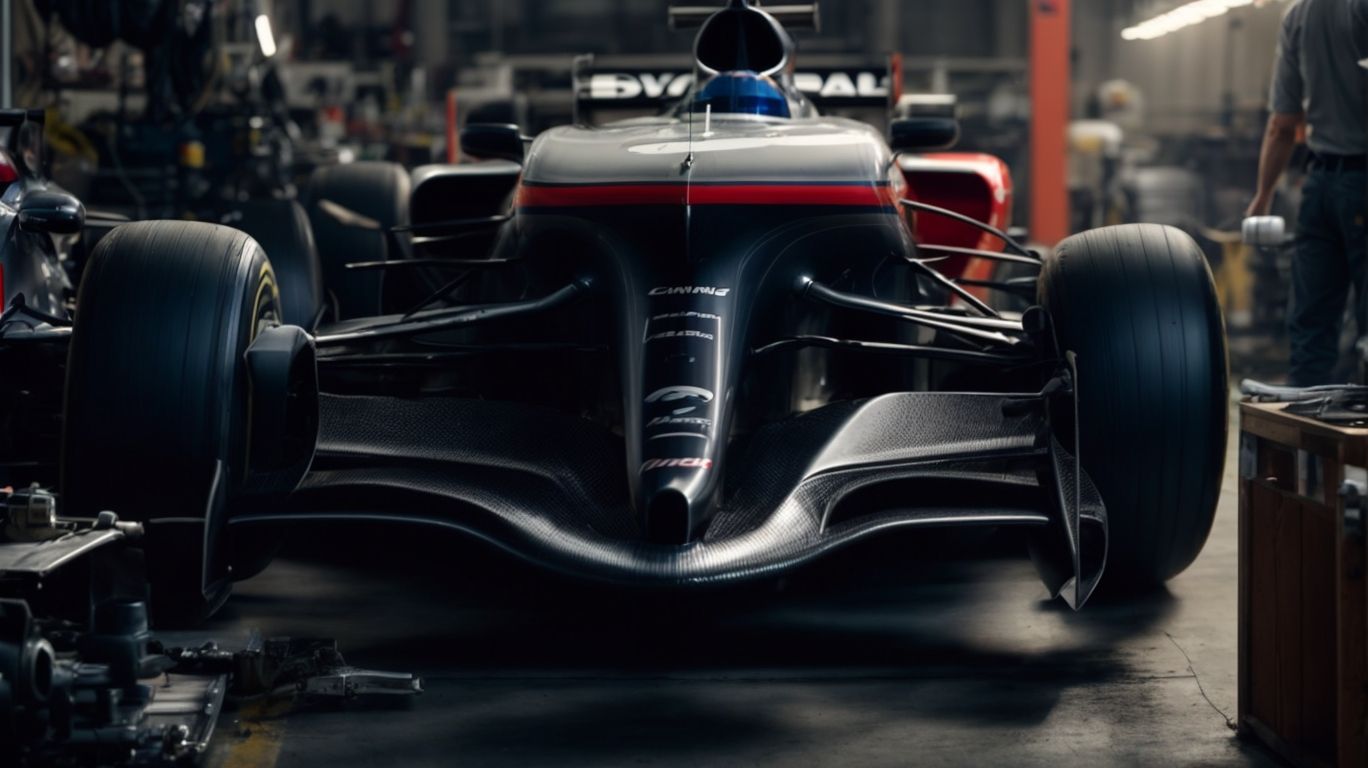
What Are F1 Upgrades?
Are you a fan of Formula 1 racing and curious about the world of F1 upgrades?
In this article, we will explore what F1 upgrades are, the different types of upgrades, how teams decide on upgrades, and why they are so important in the competitive world of F1 racing.
We will also delve into how upgrades improve performance, affect car design, how often they are made, and the challenges faced during testing and implementation.
We will discuss the cost of upgrades, how teams fund them, and the financial implications involved.
So, buckle up and get ready to dive into the exciting world of F1 upgrades!
Key Takeaways:
What Is the Formula 1 (F1) Racing Series?
The Formula 1 (F1) Racing Series is a prestigious global motorsport competition where teams like Mercedes compete in high-speed races to claim the championship title.
Founded in 1950, Formula 1 has evolved into one of the most popular racing events worldwide, attracting millions of fans each year. Known for its cutting-edge technology and high-performance cars, F1 races take place on iconic tracks across the globe, such as Monaco, Silverstone, and Spa-Francorchamps.
Mercedes, a powerhouse in the F1 world, has a rich racing history and has been a dominant force in recent years, with multiple championship wins. The competition in F1 is fierce, with teams constantly innovating and pushing the boundaries of engineering to gain a competitive edge.
Every season, drivers and teams battle it out over a series of races, accumulating points to secure the coveted championship title. The pursuit of victory drives teams to invest heavily in research, development, and strategy, making each race a thrilling spectacle for fans around the world.
What Are F1 Upgrades?
F1 upgrades refer to enhancements made to the car’s design, components, and performance, such as aerodynamic improvements, to boost overall competitiveness on the track.
These upgrades play a pivotal role in shaping the intricate dynamics of Formula 1 racing, where even the slightest modification can determine the difference between victory and defeat. Engineers meticulously analyze every aspect of the car, from the engine to the chassis, seeking ways to optimize performance. Aerodynamics, a cornerstone of F1 design, is a constant focus, as improved airflow can enhance stability and reduce drag, allowing for faster lap times. Advancements in materials and technologies further push the boundaries of what these machines can achieve on the circuit.
- Enhanced components, such as suspension systems and brake materials, are fine-tuned to withstand the extreme conditions of high-speed racing
- Integration of cutting-edge electronics and software systems provide drivers with real-time data and feedback for precise adjustments during races
- Every upgrade is a strategic move towards the ultimate goal of securing a competitive edge that can propel a team to the forefront of the F1 grid
What Are the Different Types of F1 Upgrades?
F1 upgrades play a crucial role in the competitive world of Formula 1 racing, where teams are constantly striving to improve their cars’ performance through advancements in technology and design.
There are several types of upgrades that teams typically focus on, each serving a specific purpose. Aero upgrades, for example, are aimed at improving the car’s aerodynamic efficiency, reducing drag, and enhancing downforce. These upgrades undergo rigorous testing processes in wind tunnels and CFD simulations to evaluate their impact on the car’s handling and speed.
Chassis upgrades, on the other hand, focus on enhancing the structural integrity and stiffness of the car to optimize handling and cornering capabilities. Material selection and manufacturing techniques, such as carbon fiber composite construction, are key components in developing these upgrades.
Power unit upgrades, including improvements in engine performance and energy recovery systems, are vital in boosting a car’s overall power output and efficiency. Engineers use advanced data analysis tools to fine-tune these upgrades for optimal performance on the track.
Suspension upgrades aim to enhance the car’s stability, balance, and responsiveness during cornering and braking. Feedback mechanisms, such as driver input and telemetry data, play a crucial role in evaluating the effectiveness of these upgrades and making necessary adjustments for optimal performance.
The world of F1 upgrades is a complex and dynamic one, where engineering principles, advanced manufacturing techniques, meticulous testing processes, and data-driven analysis converge to push the boundaries of performance and innovation in Formula 1 racing.
How Do F1 Teams Decide on Upgrades?
Formula 1 (F1) teams meticulously plan and execute upgrades to enhance the performance of their cars>
In terms of deciding on upgrades, teams like Mercedes rely on a combination of advanced modeling techniques, data analysis, and expert insights. By leveraging computational fluid dynamics simulations and wind tunnel testing, they can predict the impact of design changes before physically implementing them.
These models help teams strategize improvement plans based on factors such as aerodynamics, power unit performance, and chassis dynamics. Considerations like weight distribution, tire wear, and overall balance play a crucial role in the decision-making process.
Why Are F1 Upgrades Important?
F1 upgrades are vital for teams like Mercedes as they undergo rigorous testing in wind tunnels and simulations to analyze performance data and optimize the car’s capabilities for the demanding track conditions.
These upgrades play a crucial role in ensuring that the car performs at its peak potential during races. Through meticulous wind tunnel testing, engineers can assess aerodynamic efficiency and make necessary adjustments to enhance overall speed and stability. The simulation processes allow teams to simulate various scenarios and fine-tune the car’s setup for different tracks.
Data analysis is another key aspect wherein teams scrutinize vast amounts of telemetry data to identify areas for improvement. This detailed analysis helps in making informed decisions for further upgrades and developments.
How Do F1 Upgrades Improve Performance?
F1 upgrades play a crucial role in improving the performance of racing cars.
These upgrades involve the integration of advanced components and parts acquired through meticulous research and development. Each component undergoes rigorous testing procedures to ensure optimal functionality and durability under the extreme conditions of racing. The seamless integration of these upgraded parts into the car’s overall design is essential for achieving enhanced speed and efficiency on the track. These improvements not only contribute to better performance but also showcase the continuous innovation and technological advancements in the world of Formula 1 racing.
How Do F1 Upgrades Affect the Car’s Design?
F1 upgrades play a crucial role in shaping the design of a racing car, directly impacting its performance on the track.
Teams invest significantly in research and development to enhance their cars for every season, often focusing on aerodynamics, powertrain, suspensions, and materials to stay competitive in the fast-paced world of Formula 1.
The quest for better performance leads to continuous evolution, with engineers constantly seeking ways to reduce drag, improve cornering speed, and increase overall reliability.
Upgrades are not only about gaining a competitive edge but also about adhering to the strict regulations set by the FIA to ensure fairness and safety across all teams.
How Often Are F1 Upgrades Made?
F1 upgrades frequency varies based on Formula 1 team strategies, testing outcomes, manufacturing capabilities, engineering timelines, and data-driven decisions that inform the upgrade cycle.
Teams in the Formula 1 circuit rely heavily on extensive testing results to validate the performance gains expected from upgrades to their cars. The engineering constraints play a vital role in determining the feasibility and timeline of implementing these upgrades. Through meticulous data analytics, teams assess the impact of each upgrade on aerodynamics, power unit performance, and overall vehicle dynamics.
Moreover, manufacturing efficiency directly affects how quickly a team can turn around new components and integrate them into the car. The collaborative effort and team dynamics within a Formula 1 outfit also influence the upgrade frequency, as seamless coordination between departments is crucial for successful upgrades.
What Factors Determine the Frequency of Upgrades?
Formula 1 (F1) race cars undergo frequent upgrades to enhance performance and stay competitive on the track.
One of the key factors influencing the frequency of these upgrades is the constant feedback mechanisms employed by teams. Through data analysis from previous races and testing sessions, teams can pinpoint weaknesses and areas for improvement. Design optimization plays a crucial role. The use of advanced simulation tools and wind tunnel testing allows engineers to refine aerodynamics and reduce drag, leading to significant performance gains.
Continuous improvement processes also contribute to the regularity of upgrades in F1. Teams are constantly seeking ways to push boundaries and innovate, whether it’s through material advancements, component design, or strategic adjustments. Modeling techniques, such as computational fluid dynamics (CFD) simulations, enable teams to predict performance outcomes before physically testing new components, streamlining the design process.
Iterative design cycles in F1 prioritize fast iterations and quick turnaround times. By rapidly prototyping and iterating on concepts, teams can evaluate multiple design solutions efficiently and select the most promising options. This iterative approach allows for incremental improvements throughout the season, ensuring that the car evolves to meet the demands of ever-evolving race circuits.
How Are F1 Upgrades Tested and Implemented?
F1 upgrades undergo rigorous testing, engineering validation, data analysis, manufacturing precision, and driver feedback loops to ensure seamless implementation and performance enhancement on the track.
In terms of testing methodologies, teams employ a mix of simulation software, wind tunnel tests, and on-track trials to evaluate the impact of upgrades. The intricate manufacturing precision involved ensures that every component meets exact specifications, adhering to tolerances within microns. Engineering validation plays a crucial role, with structural integrity, aerodynamic performance, and reliability scrutinized extensively before implementation.
Data-driven decisions form the backbone of upgrade strategies, leveraging telemetry data, sensor readings, and performance analytics to guide development paths. Feedback integration from drivers is a key component, as their inputs on handling, feel, and overall performance help fine-tune upgrades for optimal on-track results.
What Are the Challenges Faced During Testing and Implementation?
When teams like Mercedes delve into the intricate world of Formula 1 upgrade testing, they encounter a myriad of challenges that can significantly impact their performance on the track.
One of the primary hurdles faced by teams revolves around the development process. Designing and integrating new components into an already high-performance machine demands meticulous planning and execution to ensure seamless compatibility and optimal functionality.
- Track constraints pose another significant obstacle for teams like Mercedes. Tight schedules, limited practice time, and fierce competition demand quick adaptations and precise setups to maximize the car’s potential on race day.
- Testing limitations, both in terms of available sessions and stringent regulations, further add complexity to the upgrade process. Teams must strategically plan their testing to gather essential data while adhering to the sport’s strict guidelines.
Feedback complexities play a crucial role in fine-tuning upgrades. Balancing driver feedback, telemetry data, and simulation results to make informed decisions can be a challenging task, requiring a harmonious collaboration between engineers, drivers, and strategists.
What Is the Cost of F1 Upgrades?
The cost of F1 upgrades can vary significantly based on team resources, funding sources, financial planning, and the strategic implications of each upgrade on the team’s competitiveness.
Teams in Formula 1 invest substantial amounts of capital into constantly enhancing their cars to stay ahead in the highly competitive landscape. Securing financial backing is crucial for teams to afford the latest technological advancements, aerodynamic improvements, and performance enhancements. This often involves a combination of sponsorships, prize money, manufacturer partnerships, and team budget allocations to fund these upgrades.
Managing finances effectively is paramount as overspending on upgrades could deplete the team’s resources, affecting long-term sustainability and hindering the development of future upgrades.
How Do F1 Teams Fund Upgrades?
Formula 1 teams, such as Mercedes, employ various methods to secure funding for upgrades and advancements.
One of the ways they achieve this is through strategic partnerships with sponsors and technology companies. These partnerships not only provide financial backing but also offer access to cutting-edge resources and expertise. F1 teams like Mercedes boost their finances through race earnings, where success on the track translates into lucrative rewards. They also engage in development contracts with suppliers and other industry players to further enhance their competitive edge.
What Are the Financial Implications of Upgrades?
Formula 1 upgrades in a team like Mercedes can lead to significant financial implications due to the myriad of expenses involved.
The costs associated with testing these upgrades on the track can be substantial, from track time rentals to specialized equipment and personnel. Manufacturing expenses for creating new parts or modifying existing ones add to the financial burden. The team’s engineering investments in research and development to conceptualize and design these upgrades require a considerable budget allocation.
Further, the data analysis expenditures to fine-tune these enhancements based on telemetry data gathered during testing sessions are vital yet costly. Cumulatively, these financial commitments impact the team’s overall performance by influencing the reliability, speed, and competitiveness of their cars on the race track, ultimately determining their success in the championship standings.
Frequently Asked Questions
What Are F1 Upgrades?
F1 upgrades refer to the modifications made to a Formula 1 car in order to improve its performance and overall speed on the track.
Why are F1 upgrades important?
F1 upgrades are important because they can give a team a competitive advantage over their rivals by improving the car’s speed, handling, and aerodynamics.
What types of upgrades are typically made to an F1 car?
There are several types of upgrades that can be made to an F1 car, including aerodynamic upgrades, engine upgrades, suspension upgrades, and software upgrades.
How often are F1 upgrades made?
F1 teams typically make upgrades to their cars throughout the season, with some teams introducing new upgrades at almost every race, while others may only introduce upgrades a few times a year.
Who is responsible for designing and implementing F1 upgrades?
F1 upgrades are designed and implemented by a team of engineers and technicians who work closely with the drivers and team managers to identify areas for improvement and develop upgrades that will enhance the car’s performance.
Do all F1 teams have access to the same upgrades?
No, each F1 team has their own design and development team, and therefore their own unique upgrades. However, there are certain regulations in place to ensure that all upgrades comply with F1 rules and regulations.