Does Motogp Race in the Rain?
Have you ever wondered what happens when it rains during a MotoGP race?
This article explores all the aspects of racing in wet conditions, from the impact of rain on the race to the special rules and safety measures in place.
Learn how riders prepare for rainy races, what type of tires are used, and what happens if the rain is too heavy to race.
Discover the opinions of both riders and fans on this challenging aspect of MotoGP.
Key Takeaways:
What is MotoGP?
MotoGP is the pinnacle of motorcycle racing, where world-class riders compete on some of the most challenging tracks around the globe, showcasing their skills and pushing the limits of speed and performance.
The MotoGP series is renowned not only for the thrilling races but also for the cutting-edge technology that powers the high-performance bikes. Riders in MotoGP are not just athletes; they are master tacticians, analyzing every turn and elevation change on diverse tracks that require a unique set of skills. From the tight twists of Jerez to the sweeping corners of Sepang, each circuit presents a different test, demanding adaptability and precision. The intense competition in MotoGP elevates the sport to a realm of pure exhilaration, where every second counts and the chase for victory accelerates heart rates worldwide.
What are the Weather Conditions for MotoGP Races?
Weather conditions play a crucial role in MotoGP races, with factors like wet surfaces, rain, and varying conditions affecting the performance and strategies of riders during the competition.
When rain hits the track, the dynamics of the race transform dramatically. Wet surfaces introduce a whole new level of challenge for riders, testing their skills and nerve. The risk of crashes rises significantly, demanding utmost concentration and precision. In these conditions, the choice of tyres becomes a critical decision, as riders need to decide between different compounds to ensure optimal grip and handling. Bike setups need to be adjusted swiftly to adapt to the changing track conditions, further complicating the strategic aspects of the race.
What Happens If It Rains During a MotoGP Race?
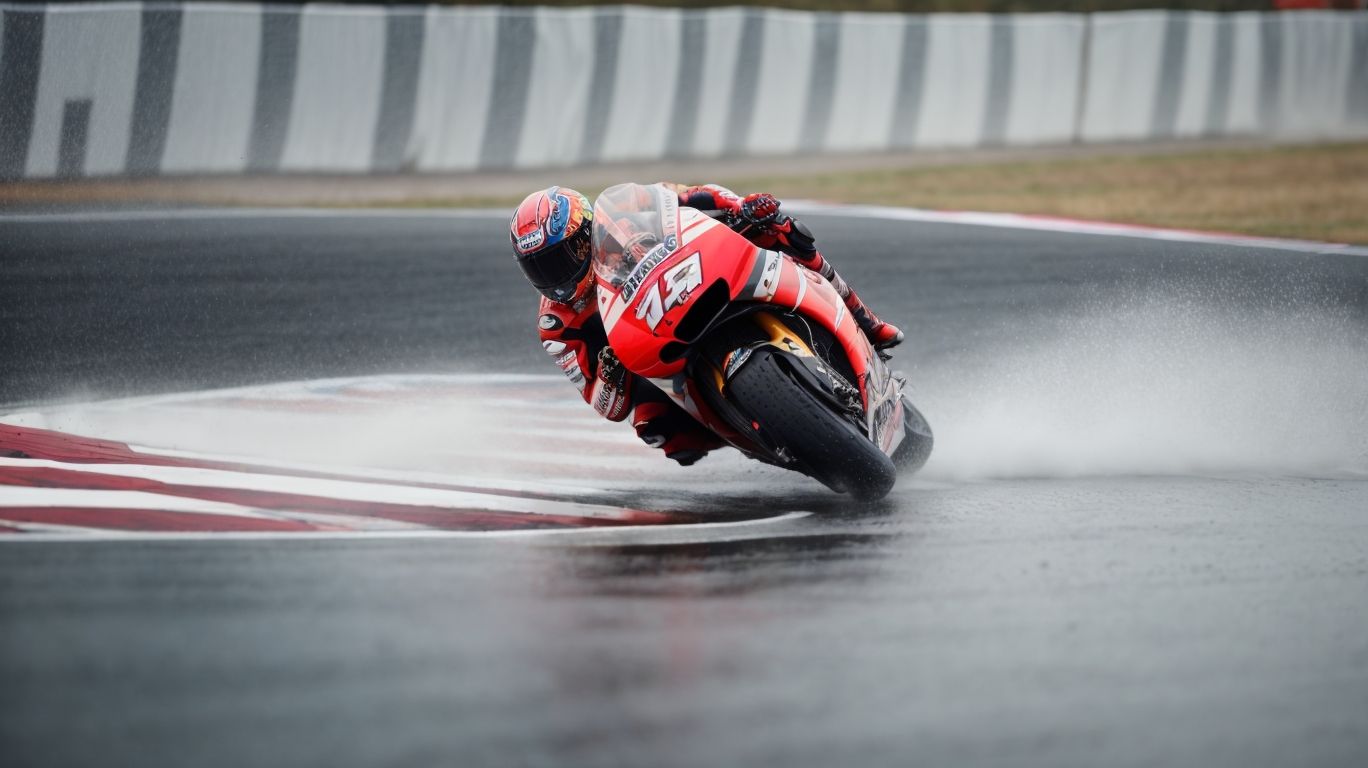
When rain hits the track during a MotoGP race, riders face a unique set of challenges as they navigate the wet conditions, adjust their grip levels, and manage the performance of their bikes on the slippery surface.
One of the primary challenges riders encounter in rainy conditions is the reduced traction on the track, making it harder to maintain control and stay at optimum speeds.
Engine performance can also be heavily impacted by rain, affecting power delivery and overall responsiveness, requiring riders to adjust their throttle control and gear shifts to adapt to the slippery terrain.
To enhance grip, riders often experiment with different tire compounds, seeking the optimal balance between traction and durability to handle the demanding wet track conditions efficiently.
Strategies like altering riding lines, braking earlier, and leaning angles are commonly employed to mitigate the inherent risks of racing in the rain and maximize performance despite the challenging environment.
How Does Rain Affect the Race?
Rain significantly alters the dynamics of a MotoGP race, affecting the handling of bikes due to reduced grip on the wet surface, prompting riders to adjust their bike setups and rely on traction control systems to maintain stability.
Motorcycle racing in wet conditions demands a high level of skill and adaptability from riders as they negotiate corners and straightaways on a slick track. The reduced traction on wet surfaces can result in unpredictable slides and spins, challenging even the most experienced competitors. Riders must find a delicate balance between pushing the limits of their bikes while maintaining control in slippery conditions.
Adjusting bike setups becomes crucial in the rain, with suspension settings, tire choices, and braking systems needing to be fine-tuned for optimal performance. Riders often opt for softer tires to enhance grip on wet tracks, while adjusting suspension to compensate for the changes in weight transfer and stability.
Are There Any Special Rules for Racing in the Rain?
In MotoGP, special rules come into play when racing in the rain, including regulations on tyre choices, potential suspension adjustments, and safety considerations due to the challenging wet surface conditions.
When the heavens open, teams must carefully strategize which tyres to use as they modify their setups to adapt to the demanding wet conditions. The choice between full wet, intermediate, or slick tyres can make or break a race, affecting grip and performance significantly. Suspension tweaks become crucial to maintain stability and control on the slippery track. From adjusting spring rates to fine-tuning damping settings, every detail is scrutinized in rainy conditions to optimize the bike’s handling.
Safety remains a top priority in MotoGP, with strict protocols in place specifically for wet races. Flag-to-rider communication becomes even more critical in reduced visibility, ensuring that riders are aware of any hazards or changes on the circuit. Safety car deployments, track inspections, and revised speed limits are common practices to safeguard rider well-being and maintain fair competition amidst the tumultuous weather.
How Do Riders Prepare for Racing in the Rain?
Riders meticulously prepare for rainy races by adjusting their helmet visors for optimal visibility, fine-tuning brake settings for enhanced control, and ensuring their racing gear provides maximum protection while maintaining visibility and grip on the wet track.
Regarding helmet visors, riders often opt for anti-fog treatments or pinlock inserts to prevent condensation build-up during rainy conditions, ensuring a clear line of sight. Adjusting the visor angle to reduce glare from water droplets is crucial for maintaining focus on the track ahead.
Brake modifications play a critical role in rainy races, with riders adjusting brake bias to prevent lock-ups and improve responsiveness in slippery conditions. Raising the brake lever slightly can enhance sensitivity, allowing for precise braking without sudden jolts.
Racing gear, including specialized rain suits and boots with high-grip soles, not only offer protection from the elements but also help riders maintain traction on slick surfaces. Investing in quality gear that repels water and provides adequate ventilation can significantly enhance performance and safety in wet races.
What Are the Safety Measures in Place for Racing in the Rain?
Safety measures for rainy MotoGP races include the use of specialized carbon discs for improved braking performance, waterproof suits to maintain rider comfort and visibility, and enhanced grip technologies to ensure stability on the slippery track.
Carbon discs play a crucial role in wet conditions by providing consistent braking power even when drenched, reducing the risk of skidding and enhancing overall safety. These discs are designed to withstand the water-induced challenges, offering riders precise control and reliable stopping power.
Waterproof suits are meticulously crafted to keep riders dry and comfortable, offering protection from the elements without compromising mobility or aerodynamics. They are equipped with advanced materials that repel water while ensuring breathability, enabling riders to focus on their performance without distractions.
Modern grip technologies, such as specialized rain tires with deep grooves, help riders maintain traction in challenging conditions, enhancing cornering stability and acceleration. These innovative solutions are tailored to provide maximum grip on wet surfaces, allowing riders to push the limits with confidence and control.
What Type of Tires Are Used for Wet Conditions?
In wet conditions, MotoGP riders rely on specialized tyres with lower pressure levels to maximize grip and traction on the slippery surface, allowing for optimal performance and control during wet races.
By adjusting the tyre pressure, riders can counteract the reduced grip caused by water on the track. The lower pressure enables the tyre to deform more easily, increasing its contact patch with the road surface and enhancing grip levels. This enhanced grip results in improved cornering stability and acceleration in wet conditions.
Proper tyre selection is crucial as different tyre compounds and treads are designed to excel in specific weather conditions. For wet races, riders often opt for softer compound tyres with deep grooves to channel away water, preventing aquaplaning and maintaining traction.
Are There Any Changes to the Track for Wet Conditions?
When rain hits the track, MotoGP circuits may undergo modifications such as drainage management, surface treatments, and adjustments to curbing to ensure rider safety and maintain racing integrity in wet conditions.
Proper drainage is crucial during rainy races to prevent water buildup, which can impede rider traction and cause dangerous hydroplaning. Efficient drainage systems like guttering and improved camber angles help swiftly channel water away from the track surface. To enhance grip, surfaces can be treated with specialized asphalt mixes or textured finishes that provide better adhesion in wet weather. Curbing adjustments, including height and material changes, aim to minimize incidents by making it easier for riders to navigate sharp turns while limiting the risk of slipping or sliding.
What Happens If the Rain is Too Heavy to Race?
In case of heavy rain rendering racing conditions unsafe, MotoGP officials may opt for a delay or postponement of the race, which can impact the allocation of points and standings, leading to adjustments in the overall competition.
When heavy rain disrupts a MotoGP event, a predefined procedure set by race management comes into play, prioritizing the safety of riders and staff. The officials closely monitor weather forecasts, track conditions, and rider feedback to determine the suitability for the race. Delays can occur if rain subsides, allowing time for the track to dry sufficiently for safe racing. If the conditions persist or intensify, the race might be postponed to a later date.
These decisions have significant implications for the riders, as points awarded in postponed races are typically distributed according to the positions at the time of the race stoppage.
Is There a Delay or Postponement for Rainy Races?
For races impacted by heavy rain, MotoGP organizers may implement a delay or postpone the event to ensure rider safety and maintain fair racing conditions, with the ultimate goal of delivering an exciting and competitive race once weather conditions improve.
In the high-octane world of MotoGP, where split-second decisions can make all the difference, racing in heavy rain poses a significant challenge not only for the riders but also for the organizers. Safety is the top priority when adverse weather conditions threaten to compromise the integrity of the race.
Decisions to delay or postpone are carefully considered to prevent accidents and ensure that all competitors have a fair chance to showcase their skills.
What Happens to the Points and Standings in a Rainy Race?
In a rainy MotoGP race affected by delays or postponements, the allocation of points and adjustments to standings may occur based on race progress, overall performance, and adherence to championship regulations in the context of wet conditions and race interruptions.
When rain disrupts a MotoGP race, it can introduce unpredictable factors that challenge both riders and race organizers. The impact of wet weather on race dynamics can lead to strategic decision-making around tire choices, pit stops, and overall race strategies. In such conditions, the rules governing points allocation become crucial, as even a slight adjustment in standings could have a significant ripple effect on the championship outcomes. The meticulous calculation of points under wet race circumstances reflects the sport’s commitment to fair competition and the ability of riders to adapt to challenging conditions.
Has There Ever Been a Rainy MotoGP Race?
Throughout MotoGP history, there have been memorable rainy races where riders showcased exceptional skills and adaptability in challenging weather conditions, adding a unique dynamic to the racing narrative.
One iconic rainy race that stands out is the 2020 Teruel Grand Prix, where riders tackled a deluge of rain on a notoriously slippery track. Despite the treacherous conditions, Jack Miller demonstrated remarkable control and finesse, securing a well-deserved victory. This race highlighted the significance of tire choice and bike setup in wet weather, as riders navigated the slick surface with precision.
In such races, on-track visibility is severely compromised, forcing riders to rely heavily on muscle memory and instinct to maneuver through the spray and maintain competitive speeds. The rain not only tests the technical skills of the riders but also their mental fortitude and decision-making under pressure.
Can MotoGP Races Be Canceled Due to Rain?
While MotoGP races strive to continue under various conditions, extreme rain leading to unsafe track conditions, compromised visibility, or heightened risks may prompt race officials to consider canceling the event to ensure rider safety and maintain the integrity of competition.
When the track becomes waterlogged, it poses a significant danger to the riders, as their bikes may lose traction, leading to increased chances of accidents. Along with safety concerns, heavy rain can severely impact visibility, making it difficult for riders to navigate the track with precision and react to changing conditions swiftly. The decision to cancel a MotoGP race due to rain is not taken lightly and involves scrutinizing multiple factors to determine if the conditions are too hazardous for racing.
What Are the Opinions of Riders and Fans on Racing in the Rain?
The opinions of MotoGP riders and fans on racing in the rain vary, with riders showcasing their skills in challenging conditions, fans experiencing heightened excitement and unpredictability, and debates arising on the impact of rain on race dynamics and grip levels.
For MotoGP riders, racing in wet conditions demands a unique set of skills and adaptability. The rain introduces a whole new level of complexity to the already intense sport, testing riders’ precision and control. As they navigate through slippery corners and unpredictable track conditions, their mastery over their machines gets truly tested. Adapting to the changing grip levels becomes essential for them to gain an edge over their competitors.
On the other hand, fans revel in the thrill of watching these incredible athletes pushing the boundaries of speed and control. Rain-infused races add an extra element of suspense and surprise, keeping spectators on the edge of their seats. Witnessing riders maneuver through the rain-soaked tracks with finesse and courage certainly adds an adrenaline rush to the whole experience.
Frequently Asked Questions
1. Does MotoGP race in the rain?
Yes, MotoGP does race in the rain. In fact, the race is not automatically canceled or postponed due to rain.
2. What happens to the race if it rains?
The race continues as normal unless the rain becomes too heavy, which can affect visibility and safety for the riders. In that case, the race may be red-flagged and the riders will have to pause until the rain subsides.
3. Are there any special rules for racing in the rain?
Yes, there are specific rules that apply when racing in the rain. These include different tire choices and adjustments to the track conditions, such as drainage and grip levels.
4. How do riders prepare for racing in the rain?
Riders often have to adapt their riding style and bike setup to suit wet conditions. They may also use different types of tires that are specifically designed for racing in the rain.
5. Has there ever been a race canceled due to rain?
Yes, there have been instances where races have been canceled or postponed due to heavy rain or unsafe track conditions. However, this is not a common occurrence in MotoGP.
6. Does racing in the rain affect the outcome of the race?
Yes, racing in the rain can greatly impact the outcome of the race. The wet conditions can create more unpredictable and challenging situations for the riders, often leading to unexpected results.